In autumn, whatever lies, grows or ferments by the path is often more interesting to your dog than any treat. Here is where the real risks are and what helps in an emergency.
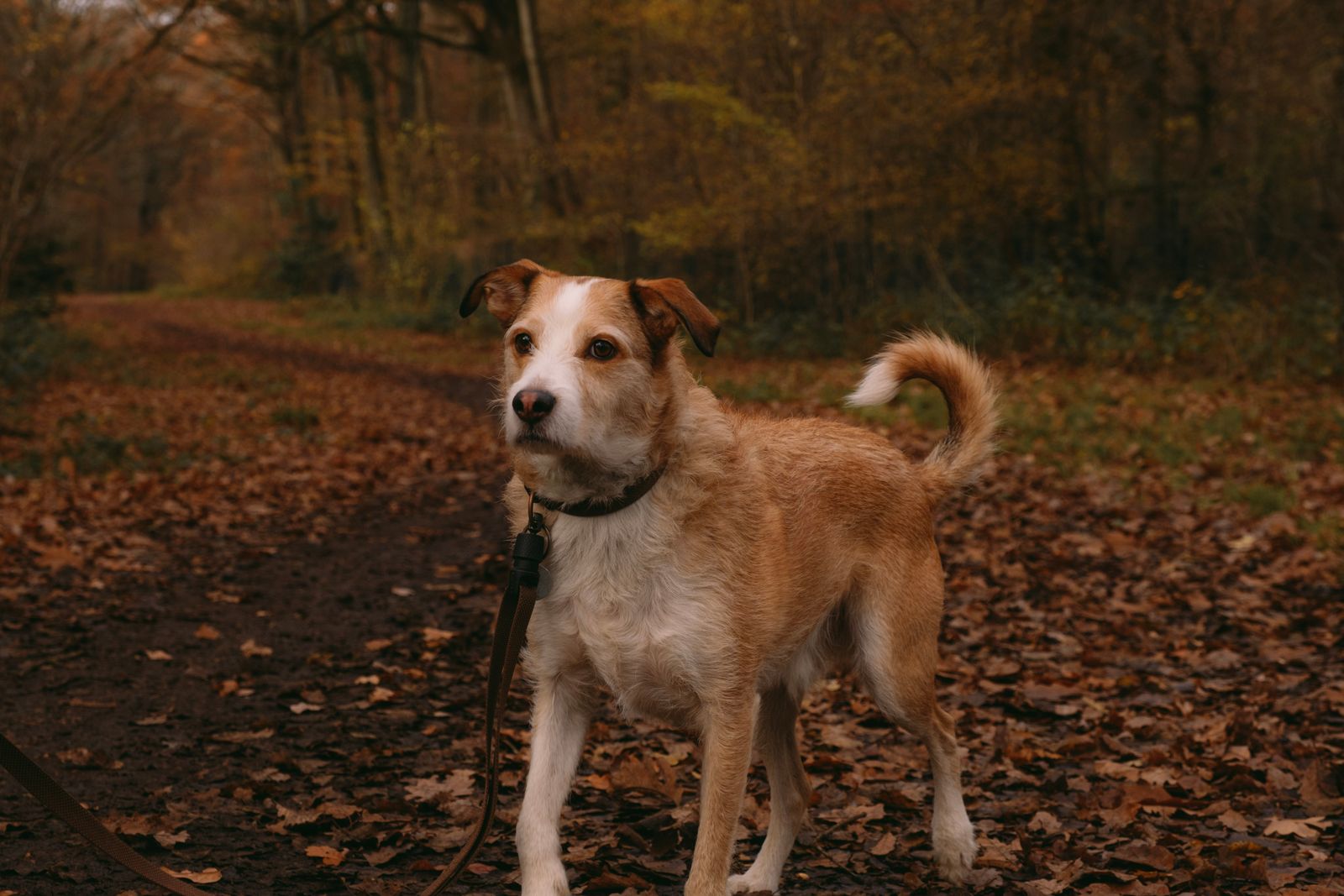
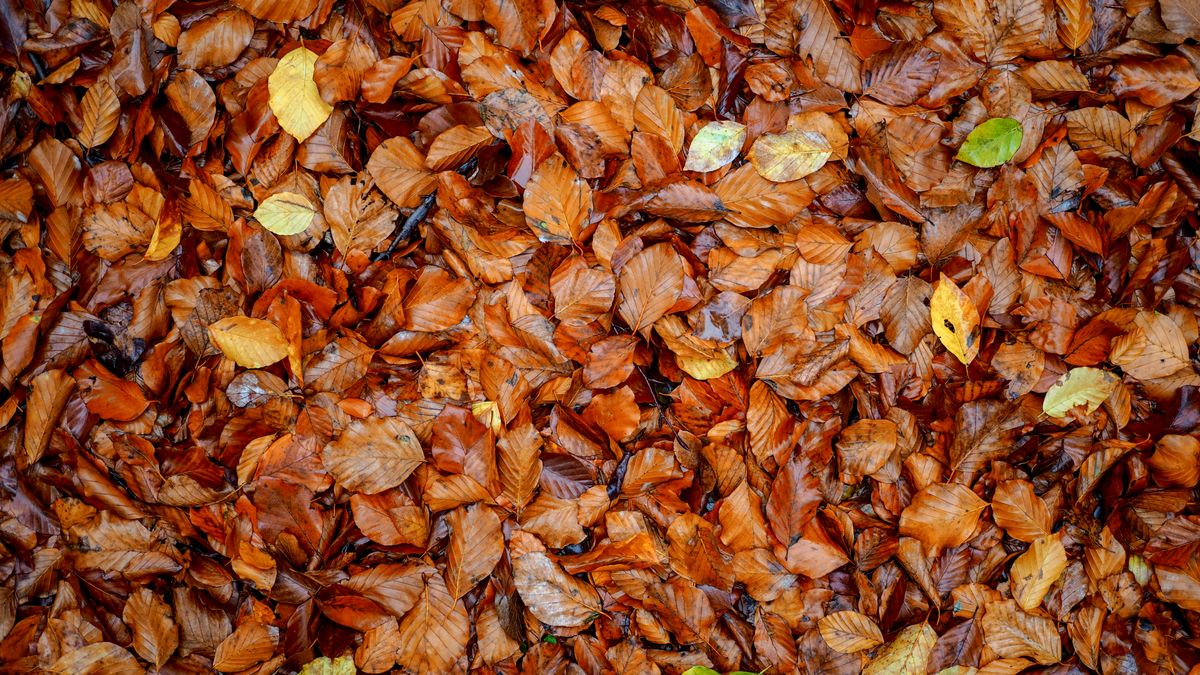
The path is muddy, the air smells of leaves, and within three seconds your dog has something in his mouth that was not there a moment ago. In autumn there is more on the ground than usual: nuts under the trees, apples in the grass, berries along the fence. Most of it is harmless or at worst an upset stomach. Some of it is not. Here we sort out which is which and what calls for a phone call to your vet.
e have already covered acorns and chestnuts in a separate guide, see acorns, chestnuts and beechnuts (German). This article is about the dangers that guide leaves out.
| Find | Where you meet it | Assessment | What applies now |
|---|---|---|---|
| Beechnuts | under beech trees in forests and parks | stomach and gut upset possible, severe cases not expected in small animals | stop further eating, discuss the amount with your vet |
| Moldy walnuts | under walnut trees, gardens, compost | poisonous through mold toxins, tremors and seizures | call your vet or emergency clinic immediately, even for one nut |
| Windfall fruit | orchards, gardens, path edges | fermentation, wasps, pits, mold | wasp sting in the mouth or fermentation: call your vet |
| Autumn crocus | meadows, pastures, path edges | poisonous in all parts, colchicine | report every ingestion to your vet immediately |
| Yew | hedges, cemeteries, gardens | needles and seeds poisonous, sudden cardiac death possible | emergency clinic immediately |
The table does not replace an assessment of your specific case. Out on a walk you often do not know the amount or the species for certain. Tell your vet openly what you know and what you only suspect.
In Germany there is no poison hotline staffed specifically for animals. The well-known poison information centers are set up for people. The fastest expert route is your vet practice or the nearest clinic with an emergency service. In Switzerland, Tox Info Suisse gives a first assessment on 145. More about this and about time windows for different poisons is in our guide on poisoned bait.
You know the scene: a walk through beech forest, small three-sided nuts in split, prickly husks everywhere, and your dog nibbling as if they were biscuits.
Beechnuts are not a dog snack. The Pet Poison Helpline describes stomach and gut upset, fever and mild neurological signs for the European beech (Fagus sylvatica). Severe poisoning is not expected in small animals. The American beech is considered much less toxic.
Exactly which substance causes the symptoms is not settled. The poisonous plant database of the University of Zurich lists saponins, oxalic acid and thiaminase as constituents and describes the toxic principle as unknown. Many guides name an alkaloid called fagin, or hydrocyanic acid, as the cause. That cannot be confirmed for dogs in veterinary sources. No source gives a number of nuts at which it becomes dangerous for dogs. The only published dose concerns horses and cannot be applied to dogs.
If your dog has eaten beechnuts:
If there is vomiting, belly pain or loss of appetite, a foreign body is also possible, as with any hard fruit. More on this in our guide on vomiting in dogs. The quick reference entry is in the poison list under beechnuts (German).
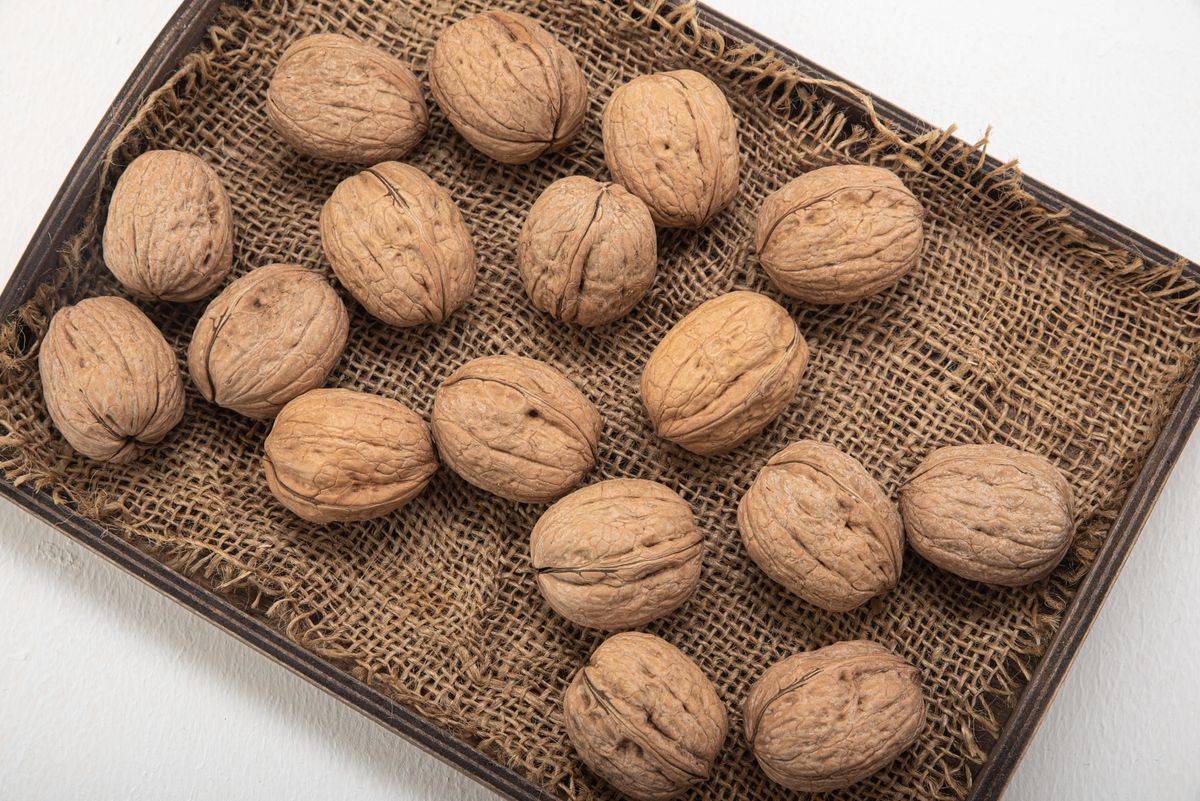
Under the walnut tree in the park the nuts lie in green husks, some turning black. Your dog has cracked one open and is chewing.
Fresh, sound walnuts are not a poison in the strict sense, but they are not dog food either. The ASPCA lists the black walnut as poisonous to dogs in its plant database. All nuts are rich in fat, though, and that can cause vomiting, diarrhea and inflammation of the pancreas in some dogs. For green husks and the compound juglone there is no confirmed data in dogs; the ASPCA gives the toxic principle of the black walnut as unknown.
Moldy walnuts are the real risk. The Merck Veterinary Manual describes tremorgenic mycotoxicosis: molds, mainly Penicillium species, produce nerve toxins, and penitrem A is considered the main one. The Merck Veterinary Manual names moldy walnuts explicitly as a typical source, along with spoiled food and compost.
| Point | What is known |
|---|---|
| Onset | usually 1 to 2 hours, sometimes only after several hours |
| Signs | vomiting, drooling, restlessness, muscle tremors, stumbling, fever, seizures |
| Risk | breathing problems from vomit in the lungs, overheating from constant tremors |
| Treatment | at the practice or clinic: decontamination, medication against tremors and seizures, infusions, monitoring |
| Course | usually good with prompt treatment, recovery mostly within days |
A German analysis of 54 dogs (Braun and colleagues, 2024) found a good prognosis with prompt treatment. That applies only if the dog is treated quickly. So do not wait to see whether the tremors stop by themselves.
Treat nuts that have lain on damp ground for some time as suspect, even if no mold is visible. Your dog should neither pick them up nor chew them. Hard shell pieces also carry the general foreign body risk. For a distinction from macadamia, which causes its own clinical picture, see the poison list under macadamia nuts (German). Everything about walnuts is in the poison list under walnuts (German).
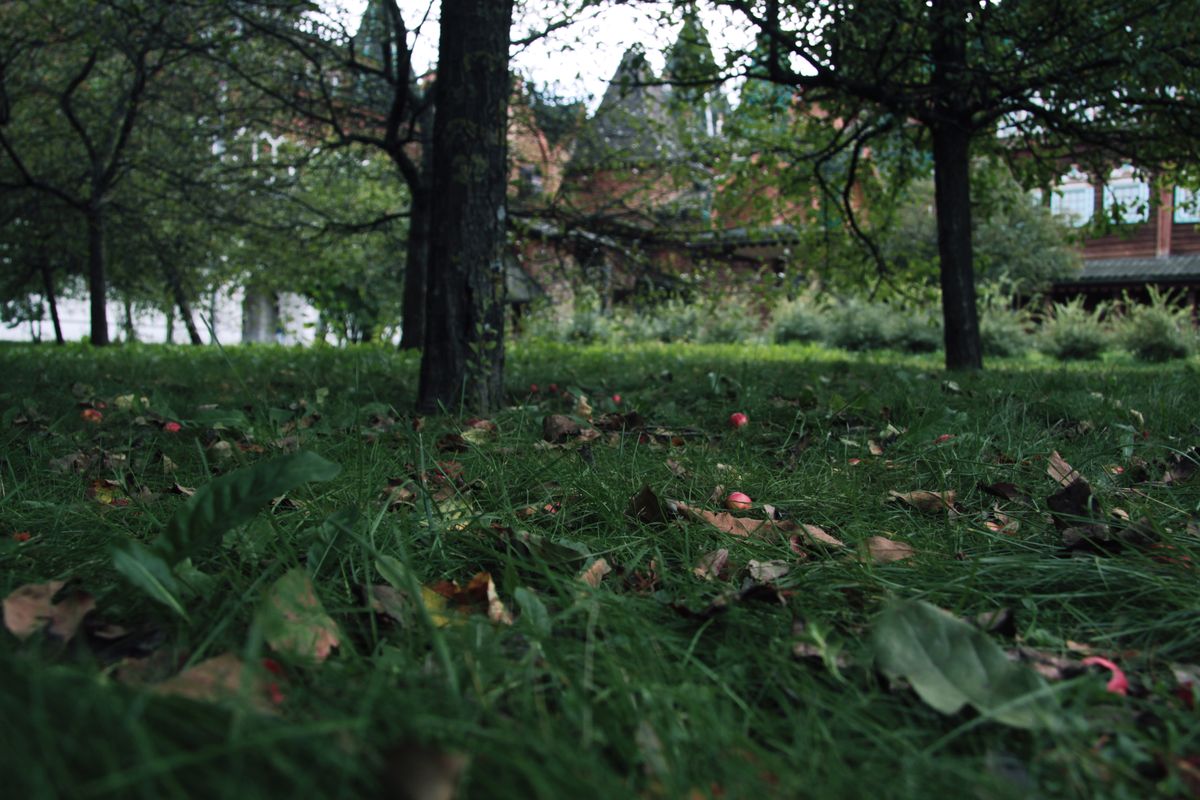
An orchard, sunshine, and a dog who thinks the smell of apple is the best thing in the world. Windfall fruit is tempting, and it carries four risks of its own.
Wasps like to sit in soft fruit flesh. The Merck Veterinary Manual describes that stings in animals are most common on the face and in the mouth, with pain and swelling within minutes. If the tongue or throat swells, breathing becomes difficult or your dog goes limp, drive to the clinic immediately. More in our guide on wasp stings in dogs.
When fruit lies in the grass and ferments, alcohol forms. How much is in one apple cannot be said in general. According to the Merck Veterinary Manual, alcohol poisoning in dogs usually shows within 30 to 60 minutes with vomiting, diarrhea, unsteadiness, disorientation and lethargy. Severe cases end in seizures, low body temperature and breathing problems. If your dog becomes unsteady after eating windfall fruit, call your vet at once. The quick entry is in the poison list under alcohol (German).
Spoiled fruit can, like other moldy food, carry nerve toxins that lead to tremors and seizures (see walnuts). The specialist sources do not explicitly name windfall fruit, but the symptoms match the picture seen with moldy food. Rotten patches do not belong in a dog's mouth.
Here two different problems need to be kept apart:
Apple seeds are clearer: the Pet Poison Helpline writes that an animal would have to eat very large amounts of seeds for it to be a concern. Seeds and cores still do not belong in the bowl, because they can be swallowed whole. More background is in the poison list entries on stone fruit pits and apple seeds (both German).
Regardless of the season, one rule holds for grapes and raisins: even small amounts can cause acute kidney failure, which only shows after days. There is no safe amount, see the poison list on grapes and raisins (German).
It blooms pale violet when everything else has long finished, and looks like a crocus that got the season wrong.
Autumn crocus (Colchicum autumnale) is highly poisonous to dogs. Its active compound is colchicine, a cell toxin. All parts of the plant are poisonous; flowers and seeds hold the most, the corm holds less but can still poison. Drying or cooking does not remove the effect. It grows in meadows, blooms in autumn, and its broad leaves only appear in spring. Then it is often confused with wild garlic, and according to the Austrian Poison Information Centre this mix-up is a common cause of poisoning in people. So the warning applies to dog owners all year round.
As symptoms, the ASPCA and IVIS (Guide to Poisonous House and Garden Plants) name:
Multiple organ failure is characteristic of colchicine and can be fatal. There is no antidote; vomiting, diarrhea and shock are treated. A lively dog right after eating is therefore no all-clear. There is no proven toxic amount for dogs, so every ingestion counts. If your dog may have eaten parts of the plant: go to the practice immediately, with a photo of the plant. The poison list entry: autumn crocus (German).
Red, soft, shiny berries in a dense hedge: to a dog this looks like a snack.
Yew (Taxus baccata) is highly poisonous. The German Federal Institute for Risk Assessment names needles and chewed seeds as poisonous (taxines). The red seed coat itself is considered non-toxic, the brown seed inside is toxic. The red seed coats ripen from August. Because it is hard to control whether a dog bites the seed, keep your dog away from the whole berry.
In dogs the ASPCA describes muscle tremors, difficulty breathing and seizures; sudden death from acute heart failure is possible. The Pet Poison Helpline adds vomiting, heavy drooling, a slow heartbeat and coma. It warns that in small animals any amount can be dangerous.
If you suspect yew, drive to the emergency clinic immediately. Do not wait for symptoms, because heart problems can appear without warning. More in the poison list under yew (German).
Bans help little when your dog is faster than your word by three seconds. What works better is training that makes picking things up unattractive: your dog learns to drop finds or not to take them at all, and gets something better in return. You will find the method in our guide on recall training and in the section on anti-poison-bait training in the guide on poisoned bait. No training makes a dog completely safe; even well-trained dogs sometimes grab something.
That is why equipment belongs here too. A short leash or long line helps where there is a lot of windfall fruit, nut trees and hedges. A well-built basket muzzle prevents picking things up and still allows panting; the method is in our guide on muzzle training.
In your own garden, pick up windfall fruit and nuts regularly, close the compost, and when in doubt remove yew and autumn crocus. Out and about, keep your dog close around plants you do not know. The same goes for mushrooms, see poisonous mushrooms for dogs (German).
If you do not want to memorize every plant and fruit: the poison list (German) is searchable, and in the Souldog app you have it with you on the go.
Autumn is still one of the best times to be out: rustling leaves, clear air, a dog who wants to sniff everything. With a few rules it does not become a test of nerve. Keep the leash short where needed, swap finds instead of letting them be swallowed, and when in doubt call instead of waiting. And when you stand in front of a plant on the way and do not know what it is: take a photo, move the dog away, look it up.
 Souldog