Vaccination record, medication list, a video of the cough: with the right preparation, the practice has in five minutes what would otherwise be guesswork.
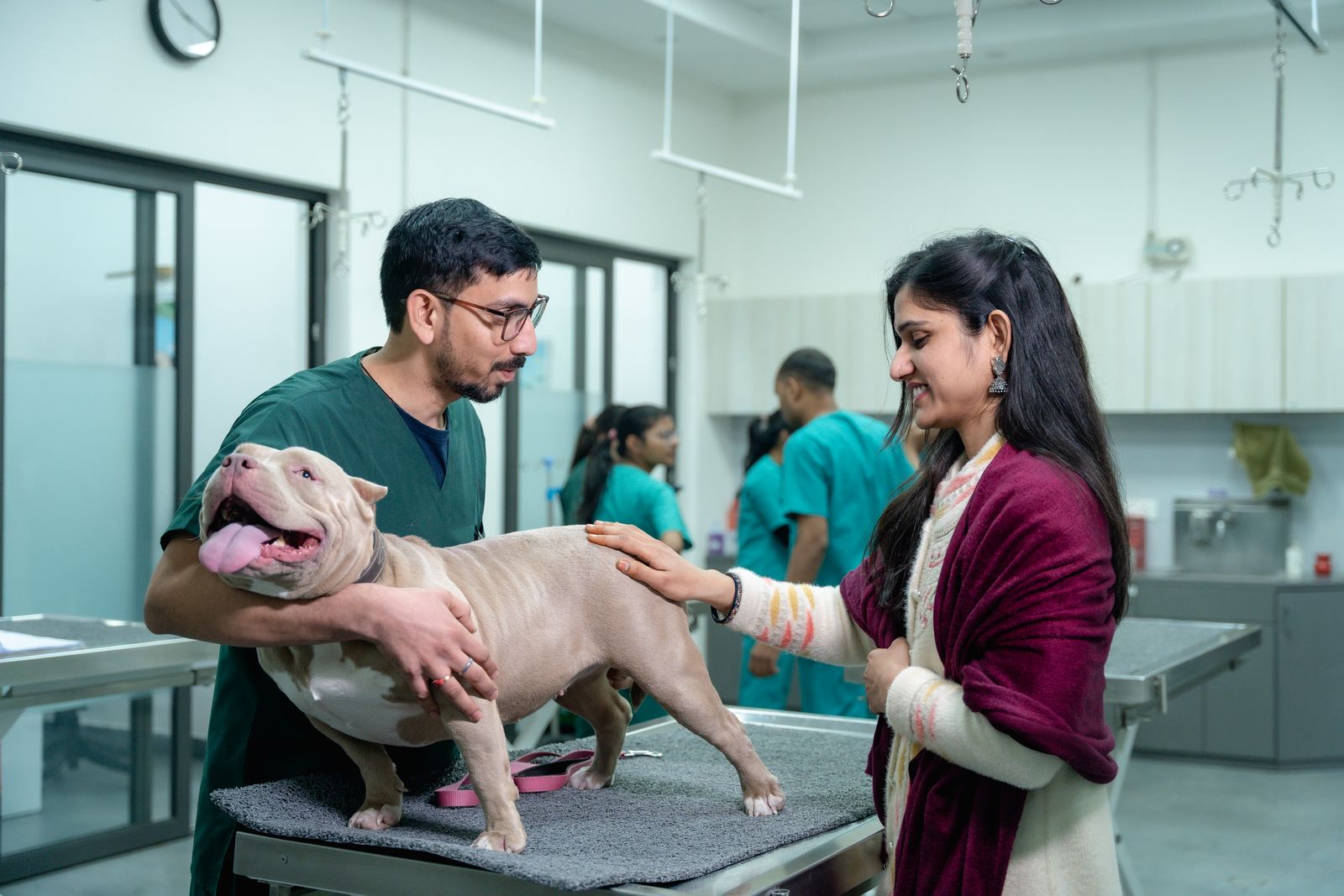
he waiting room smells of disinfectant and nerves. Then the vet asks: “How long has he been coughing?” And you hear yourself say: “Sometime last week. Or the week before?” Your dog looks at you as if he would like to object.
At the vet, a good treatment often depends less on the most expensive test than on the history you bring. Your dog cannot tell anyone what has been different for two weeks. You can, if you wrote it down.
Bring the pet passport or vaccination record, a list of all medication with doses, the name of the food and notes on symptoms. If you can, film unusual moments and note when it began and how often it happens. Your dog only has to be fasted if the practice explicitly says so. For breathing difficulty, collapse or suspected poisoning, go straight away.
The rest of this article turns that into a checklist, a note-taking system and a routine for before, during and after.
Bring the EU pet passport or vaccination record, the medication list, the name of the food, photos or videos of symptoms, a fresh stool sample if the practice needs one, and something that gives your dog security. The table shows what is behind each item.
| What | Why | Practical note |
|---|---|---|
| EU pet passport or vaccination record | The practice sees which vaccinations and worming treatments are recorded and when the next ones are due. | The pet passport can double as proof of vaccination. Put it next to the lead the evening before. |
| Medication list with doses | Interactions and double doses can only be spotted if everything is on the table. | Name, amount, times, since when. Include flea and tick products, supplements and drops. A photo of the packaging label is enough. |
| Name of the food and amounts | Food plays a role in digestive problems, skin problems and weight. | Brand, variety, amount per day, plus treats, chews and scraps. |
| Photos and videos of symptoms | Coughing, limping or twitching rarely happen right in the exam room. | Film from a normal distance, with sound and date. More in the next section. |
| Stool sample, if useful | For diarrhoea or suspected parasites, testing a sample can help. | Ask beforehand whether and how the practice wants it. Usually: fresh, labelled, kept cool, not frozen. |
| Favourite treats in small pieces | Rewards help your dog link the practice with something good. | Tiny pieces that disappear fast. A whole piece of cheese distracts for too long. |
| Blanket or mat from home | Your dog knows the smell; metal tables are slippery and cold. | A non-slip surface gives grip, even if your dog does not lie down on it. |
| Old results, X-rays, lab values | If you are new to the practice, this saves repeat tests. | Ask your previous practice to send the records ahead. |
| Muzzle, if practised | If your dog is unsure during examinations, it protects everyone involved. | Only bring it if your dog knows it. A first fitting in the practice adds stress. |
There are two options for a stool sample. Some practices want a fresh sample from the same day, others a pooled sample over several days. Collect it in the container the practice gives you and label it with name and date. Until you hand it in, it belongs in the fridge; freezing can distort the test.
A muzzle needs some lead time. How to get your dog used to it voluntarily is covered in the article on muzzle training for dogs.
Note five things for each symptom: when it began, how often it happens, how long it lasts, what has changed in eating, drinking, stool and urine, and what the weight looks like. Add a short video. With these details, the vet can ask and examine more precisely.
A sentence like “He is just odd” helps little. “Since Tuesday he coughs in the morning after getting up, about five times in a row, then he is cheerful” does. Write it down straight away while you still know it. A note on your phone is enough.
These points are worth noting:
For coughing, limping, twitching, unusual breathing or a seizure, a video helps more than any description. Film from a few metres away so the whole animal is visible, and keep the sound on. During a seizure, safety comes first: make sure your dog cannot hurt himself and look at the clock. Only film if it delays nothing. The duration is one of the most important details for the practice.
Write weights as the scale shows them, for example 6.40 kg, without rounding. For small dogs, a hundred grams is a lot.
Ask three to five targeted questions and write down the answers. In the exam room, people forget faster than they think, so write the questions down beforehand.
These questions fit almost every visit:
If you do not understand something, ask again.
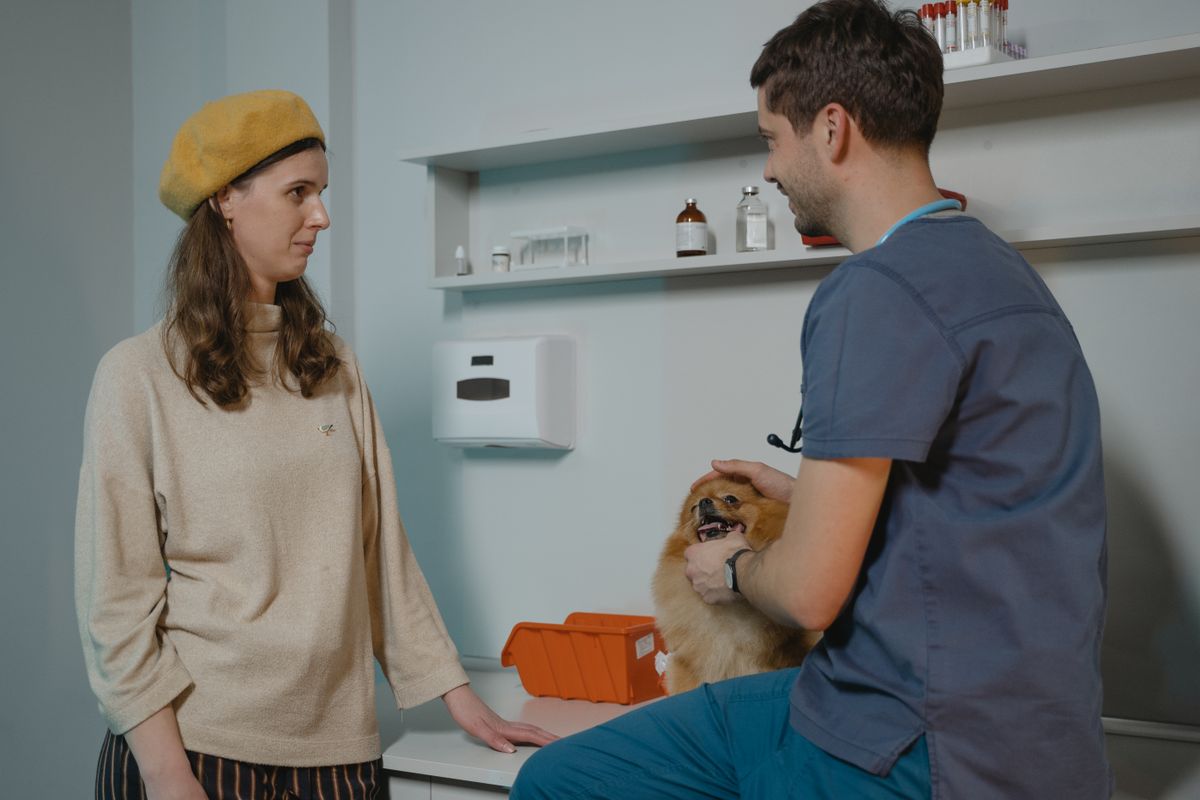
No, not automatically. Your dog only has to be fasted if the practice tells you to, for example before anesthesia or certain blood tests. Without instructions, he gets his normal food, and water is usually available.
| Situation | Fasted? |
|---|---|
| Routine check-up or vaccination | No, unless the practice says otherwise |
| Certain blood tests | Only on the practice's instructions |
| Anesthesia, surgery, dental treatment | Only on the practice's exact instructions |
| Emergency | No, do not wait for a fasting period, go straight away |
Fasting times are not uniform. Guidelines such as those from AAHA suggest relatively short periods for healthy adult dogs before anesthesia; practices often follow their own rules anyway. Ask if you are unsure, and follow what your practice tells you.
One important exception: very small, very young and diabetic dogs should never go hungry on their own initiative. Their blood sugar can drop to a dangerous level. The instruction “please come fasted” comes from the practice, not from the internet.
You lower stress by making the practice predictable: short routes, little waiting, small rewards and an owner who stays calm. For some dogs the fear does not disappear completely, but the visit becomes bearable.
What has proven useful:
What your dog accepts calmly at home stresses him less in the practice: touching paws, ears, mouth and belly, resting his chin in your hand, standing still briefly. How to build this in small steps is explained in the article on cooperative care for dogs. This article covers the everyday side: papers, notes, routines.
If your dog trembles heavily, tries to flee or defends himself in the practice, say so openly. It is not about being “good”; it is about both of you getting through the appointment safely. For strong fear, the practice can discuss options with you. If the fear goes beyond the vet, the articles on separation anxiety or thunderstorm anxiety can help.
In Germany, veterinary services are billed under the fee schedule for veterinarians (GOT). The current version has applied since 22 November 2022. The fee lies between the single and the triple rate, which the practice sets according to difficulty, time and circumstances.
In practice this means:
VAT is added to the rates. Before larger examinations, ask for a cost estimate and what is necessary and what can wait. If you want to cover larger costs, the article on dog insurance gives an overview.
After the appointment, you file the results, give medication exactly as planned and enter the follow-up date. Ten minutes on the same day is enough, while everything is still fresh.
Go straight away, or call the emergency practice first, for breathing difficulty, blue or very pale gums, collapse, a seizure lasting more than about five minutes or several seizures in a row, a hard bloated belly with unproductive retching, suspected poisoning, serious accidents, heavy bleeding or heatstroke.
Do not wait for the next regular appointment. You do not need a checklist for this; go.
Call briefly before the drive so the team is ready for you. If you cannot reach a practice, look for the nearest emergency practice or animal hospital. You should know the number beforehand: write it down now, not in the middle of the night.
Souldog can help you keep in one place what you would otherwise hunt for on slips of paper and in chat histories: weight history, medication, observations, reminders and the emergency pass. From these, a health report for the practice can be put together.
In everyday use it looks like this: you enter the weight and see the curve instead of a single number. You record medication and observations as they happen, not in the car. Reminders point to upcoming appointments. Before the visit you pull up the report and show the practice what has changed.
The app does not replace a veterinary diagnosis, and it does not know what is wrong with your dog. It helps you watch the right things and arrive well prepared. How the individual areas work together is described in the overview of the app for dog owners. The bigger picture from prevention to emergencies is in the overview of dog health.
Next time, you will not have to guess whether it was “last week or the week before”. You will look it up.
 Souldog