A dry, retching cough sounds dramatic and is often harmless. Sometimes it is not. Here is how to recognize kennel cough, how it spreads, when to call the vet and what the vaccine does.
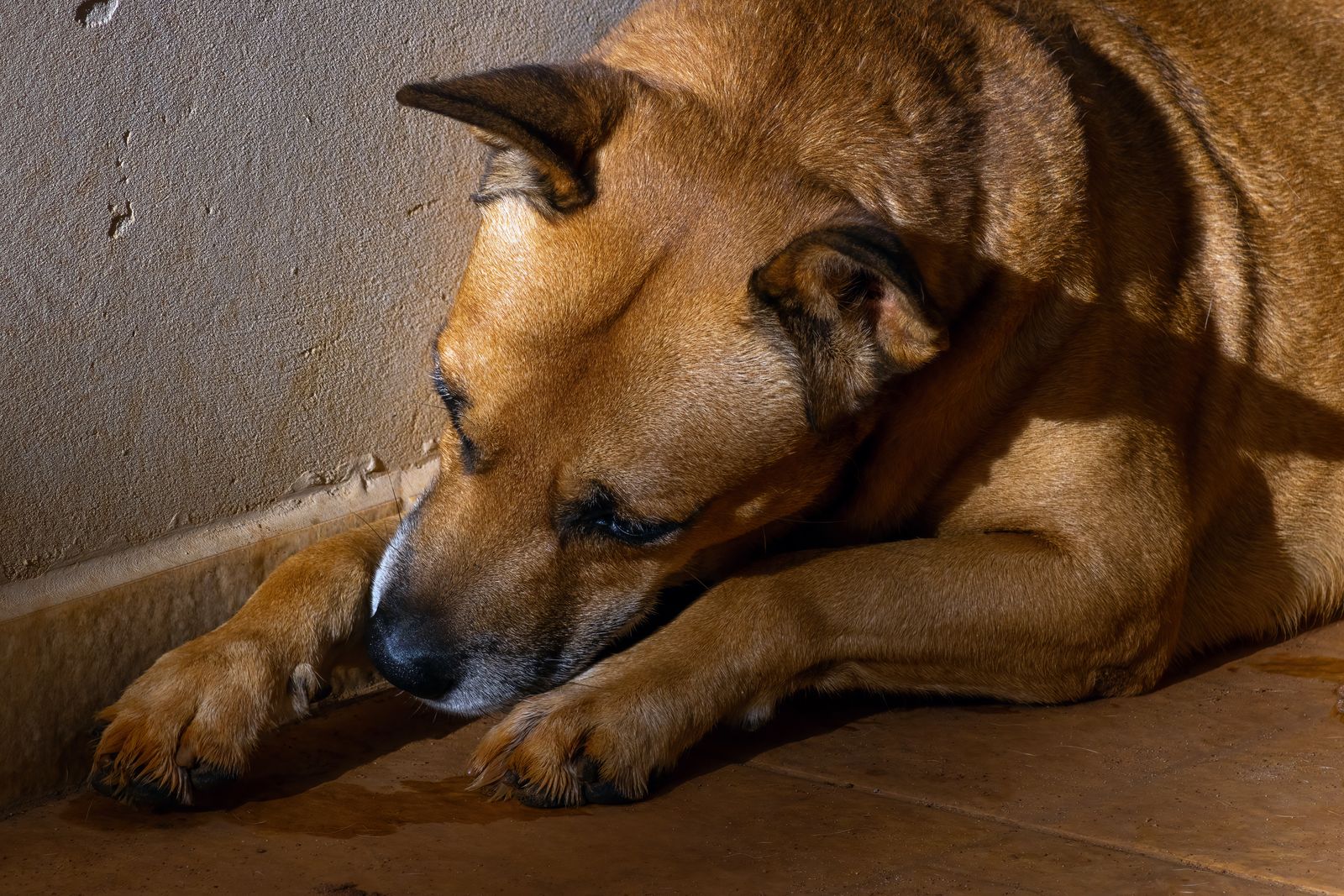
It is half past nine in the evening, your dog is lying peacefully on the sofa, and then it sounds as if someone had put a goose in his throat. A loud, dry cough, followed by retching as if he were about to throw up. Then he looks at you, wags his tail briefly and is his old self again. You are left with a pounding heart, wondering whether this is kennel cough.
he short answer: it may well be, especially if your dog has met strange dogs in the past few days. The longer answer is below. You will learn how kennel cough shows up, how it spreads, when you should not wait, what helps at home and what the vaccine can and cannot do.
Kennel cough is a contagious infection of the upper airways. The typical sign is a loud, dry cough followed by retching. Many dogs otherwise seem lively, and the cough often fades on its own within one to three weeks.
Go to the vet immediately if your dog has a fever, breathes heavily or with effort, refuses food, is unusually lethargic or has yellow to green nasal discharge. With puppies, senior dogs and dogs with existing conditions, call earlier rather than later. According to StIKo Vet and WSAVA, the vaccine is a non-core vaccine. It softens the course of the illness but does not protect completely.
Specialists speak of the Canine Infectious Respiratory Disease Complex, or CIRDC, also called infectious tracheobronchitis. The word complex is meant literally: kennel cough is not one disease with one cause, but an interplay of several viruses and bacteria that team up in the airways.
Considered especially important are Bordetella bronchiseptica (a bacterium), canine parainfluenza virus and canine adenovirus 2. Other pathogens can be involved too, such as further viruses or mycoplasmas. Which ones are at work cannot be seen from the outside. Often several are present at once.
The name is a little misleading. Kennel cough does not occur only in kennels. The pathogens are found wherever dogs meet, and even dogs that are not coughing can carry them.
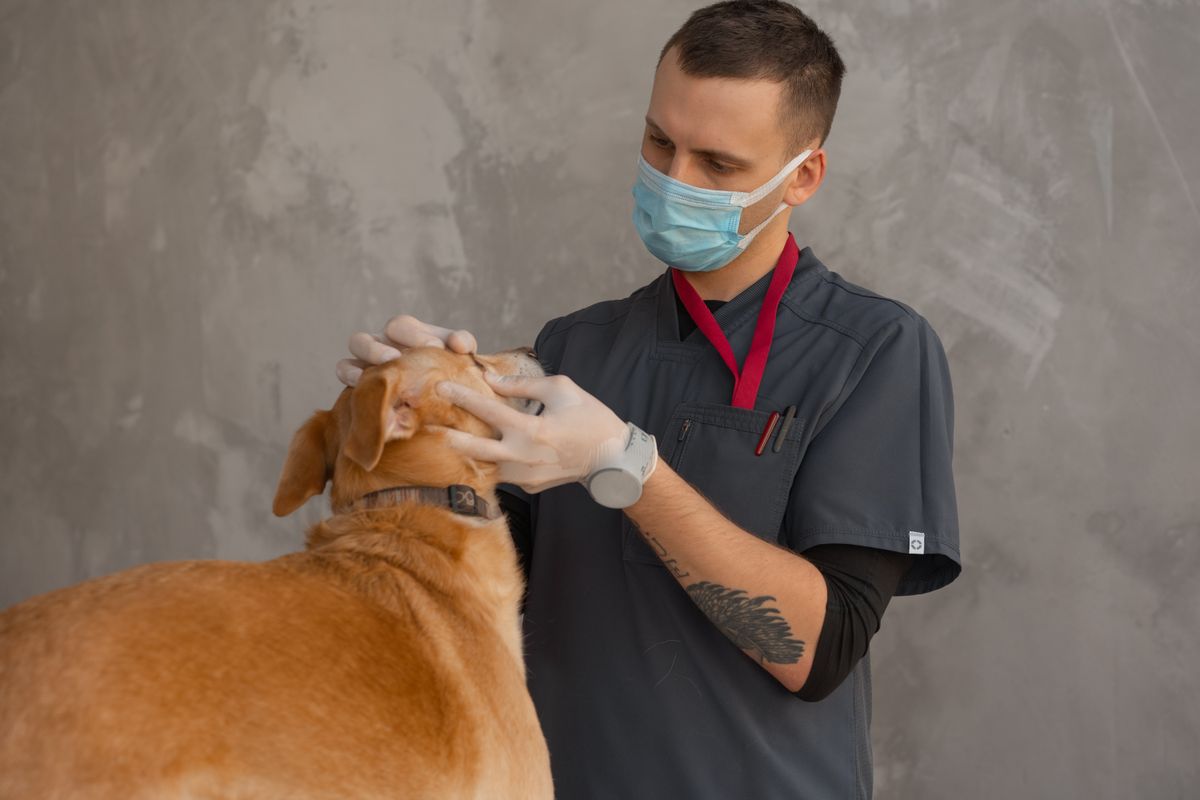
The cough usually starts suddenly and is hard to miss. It is loud and dry, deep and rough, sometimes honking. Afterwards the dog often retches, as if something were stuck in his throat. In many dogs appetite and mood stay largely unchanged, and that is exactly what makes kennel cough so confusing for owners.
Sneezing and nasal discharge can also appear. It becomes serious when the picture changes. The overview below helps with classification.
| Picture | What you notice | What it means |
|---|---|---|
| Uncomplicated | Dry cough, retching at the end, dog otherwise lively, eats normally | Usually mild, still involve the vet by phone or for a check |
| Noticeable | Cough with lethargy, reduced appetite, nasal discharge | Go to the clinic soon |
| Alarm | Fever, labored breathing, yellow to green nasal discharge, hardly eating | See a vet immediately |
A note on classification: coughing has many causes, and not every coughing dog has kennel cough. Other airway and lung diseases are possible too. Relying on a self-diagnosis risks missing something. Which cause is behind it is for the vet to determine.
Go to the vet immediately if your dog has a fever, breathes heavily or with effort, refuses food, is unusually lethargic or has yellow to green nasal discharge. These can be signs of pneumonia. Call the clinic beforehand and describe the situation.
Extra caution applies to puppies, senior dogs and dogs with existing conditions. Their bodies cope less well with the infection, and in puppies kennel cough can develop into pneumonia. With short-nosed breeds such as pugs or French bulldogs, an early phone call also makes sense. The specialist sources do not list them as a separate risk group for kennel cough, but their airways are narrow anyway, so waiting is the worse choice here.
Even without alarm signs: if your dog is still coughing after about a week to ten days, have him examined. Then it should be checked whether something else is behind it. How to prepare for the appointment and what the clinic wants to know is covered in preparing for a vet visit. Note beforehand since when the cough has been there, how it sounds and where your dog last met other dogs.
Yes, kennel cough is contagious, and quite easily. The pathogens spread through droplets that land in the air when a dog coughs or sneezes, through direct nose-to-nose contact and through shared items such as bowls, water dishes and toys.
The risk is higher wherever many dogs from different backgrounds come together. This includes:
The incubation period, the span between infection and the first cough, is usually about 2 to 10 days. Dogs can pass the pathogen on before the first symptoms appear, which explains why kennel cough spreads so quickly in groups. If you were on a meadow with your dog and later hear about a cough, you may have been infected despite your best intentions.
A word on the season: you often read that kennel cough is more common in autumn and winter. In the sources we checked, this is not established. We therefore cannot confirm that a particular season plays a role. What is established is that the pathogens occur everywhere and that the risk rises with the number of dog contacts.
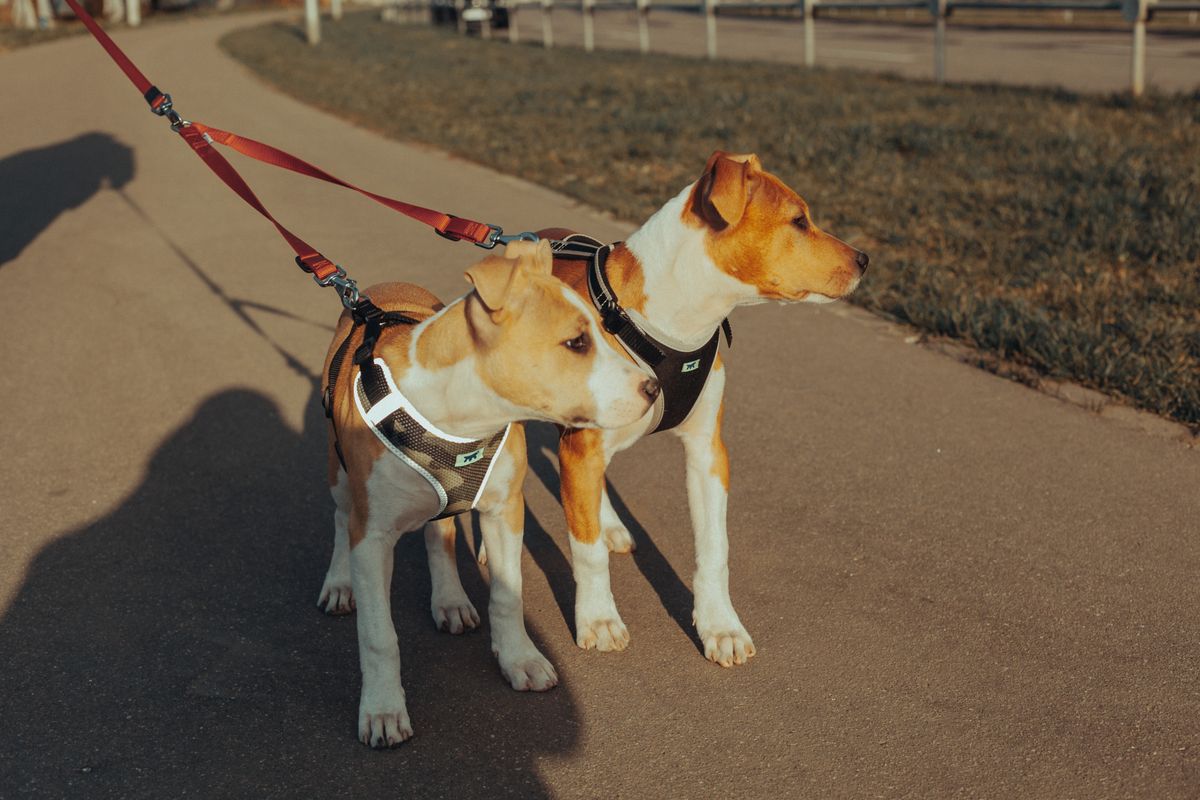
Longer than you might think. According to the German vaccination guideline, dogs can shed Bordetella bacteria for generally more than four weeks. A US veterinary school mentions up to eight weeks after symptoms end, possibly longer. A dog that has long been feeling well can therefore still be contagious. There is no fixed number of days after which a household dog may safely return to the dog meadow. Your vet decides when it is safe.
For healthy people the risk is low. Bordetella bronchiseptica can, in rare cases, pass to humans, mainly those with a weakened immune system. If you are immunocompromised, talk to your doctor and your vet beforehand. Cats can also catch Bordetella.
In an uncomplicated case the cough often fades after one to three weeks. Depending on the source, the literature gives 7 to 10 days for mild cases and 10 to 20 days on average. During recovery, stress can bring the cough back. If it lasts longer or gets worse, that is a reason for an examination.
Whether kennel cough goes away on its own depends on the dog. In many healthy adult dogs it does. But because pneumonia can develop, "it will pass" is not a strategy to rely on alone.
Good news first: in an uncomplicated case your dog mainly needs rest. Whether medication is needed is for the vet alone to decide. Antibiotics are usually only necessary when there are signs of pneumonia. Never give your dog medication on your own, including human medicines, and do not try home remedies. For home remedies such as honey there is no evidence in the specialist sources we checked.
This is all risk-free:
If your dog is coming back from boarding and coughing, dog after boarding helps you sort things out. And if you are currently looking for a dog meadow, note the place for later, because until the all clear your dog is better off staying away.
According to the German Standing Committee on Veterinary Vaccination (StIKo Vet) and the WSAVA guidelines, the kennel cough vaccine is not one of the core vaccines every dog should get. It is a non-core vaccine, an option for dogs with a higher risk of infection, for example through boarding, dog school, puppy classes, daycare or frequent contact with many strange dogs. The WSAVA does classify Bordetella and parainfluenza as core for shelter dogs.
The most important point first: the vaccine is not a shield. It works against certain pathogens, mainly Bordetella bronchiseptica and the parainfluenza virus, and not against the whole complex. It does not reliably prevent infection but can weaken the symptoms. A vaccinated dog can still cough.
Intranasal or injection? The vaccines against Bordetella described in the guidelines are live vaccines given as drops into the nose, either against Bordetella alone or combined with parainfluenza. The parainfluenza component is also part of some combination vaccines that are injected. Nasal vaccines are meant for the nose only, which the clinic takes care of. Which products are currently available and what suits your dog is for your vet to clarify. If someone with a weakened immune system lives in your household, discuss it beforehand, because vaccinated dogs can shed the vaccine strain for a while.
When to vaccinate? Allow lead time. According to the product information of a common nasal vaccine, the vaccination should be given at least three weeks before a risk period when combined with parainfluenza, and about 72 hours for Bordetella alone. The guideline gives a window of one to four weeks before the expected exposure for adult dogs. A booster is intended annually according to the manufacturer and WSAVA. StIKo Vet considers it mainly useful where kennel cough is a recurring problem. Ask for advice on the interval instead of letting it run on autopilot.
Many boarding kennels and care providers ask for proof of the kennel cough vaccination. That is a rule of the individual business, not a legal requirement. So ask at booking what is required and schedule the vaccination before time gets tight. How to choose care for your vacation is covered in dog care during vacation. If you think the vaccine makes sense, do not bring it up only the day before drop-off.
A coughing dog quickly sends owners into high gear, and that is understandable. You now know the signs, the routes of infection and the line between waiting and calling. Most of the time it means rest, a harness and a few weeks without dog contact. And the moment the cough gets worse, it is better to call once too early than once too late.
If you like, Souldog helps you keep track. In the health tools you can record vaccinations and observations about your dog so everything is at hand at your next vet appointment. For a broader overview of prevention and warning signs, see dog health overview.
 Souldog