Heatstroke is the one summer emergency where minutes decide between life and death. Here you will learn how to catch it early, respond correctly right away, and avoid getting to that point in the first place.
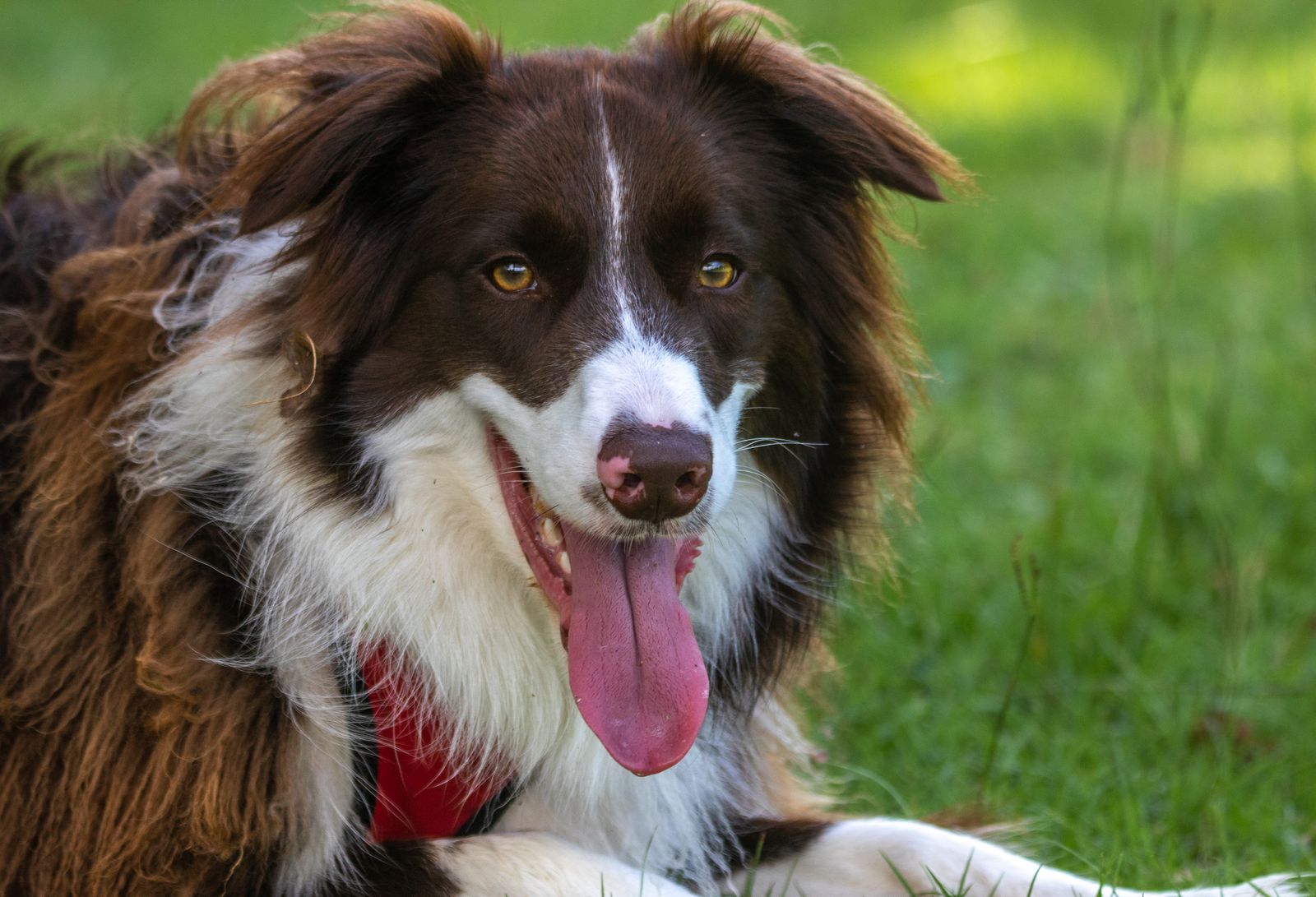
It is the first truly hot day of the year, and after just a short walk your dog is already lying flat in the shade, panting like he just finished a marathon. Most likely everything is fine and he just needs water and rest. But sometimes that exact scene tips into an emergency where every minute counts. Heatstroke is one of the few situations where you, as an owner, can genuinely save a life with the right moves, or waste precious time with the wrong ones.
he good news upfront: you do not need to be a vet to respond correctly in a crisis. You just need a few clear pictures in your head. What heatstroke looks like, what to do in the first few minutes, and why the most important rule has changed from what many people still believe. Let us go through it all in order.
If you are short on time, here is the most important information first. Heatstroke is a life-threatening overheating: the body temperature rises faster than the dog can shed it. Typical warning signs are intense, relentless panting, staggering, vomiting, lethargy, and a dog that simply cannot cool down.
The decisive thing is the sequence in an emergency: cool before transport. Drench your dog generously with cool to cold water right away and call the vet at the same time. Do not drive first and cool later; cool while you are already on your way. And this is critical: even if your dog seems to recover after cooling, he still needs to see a vet, because dangerous after-effects often show up only hours later.
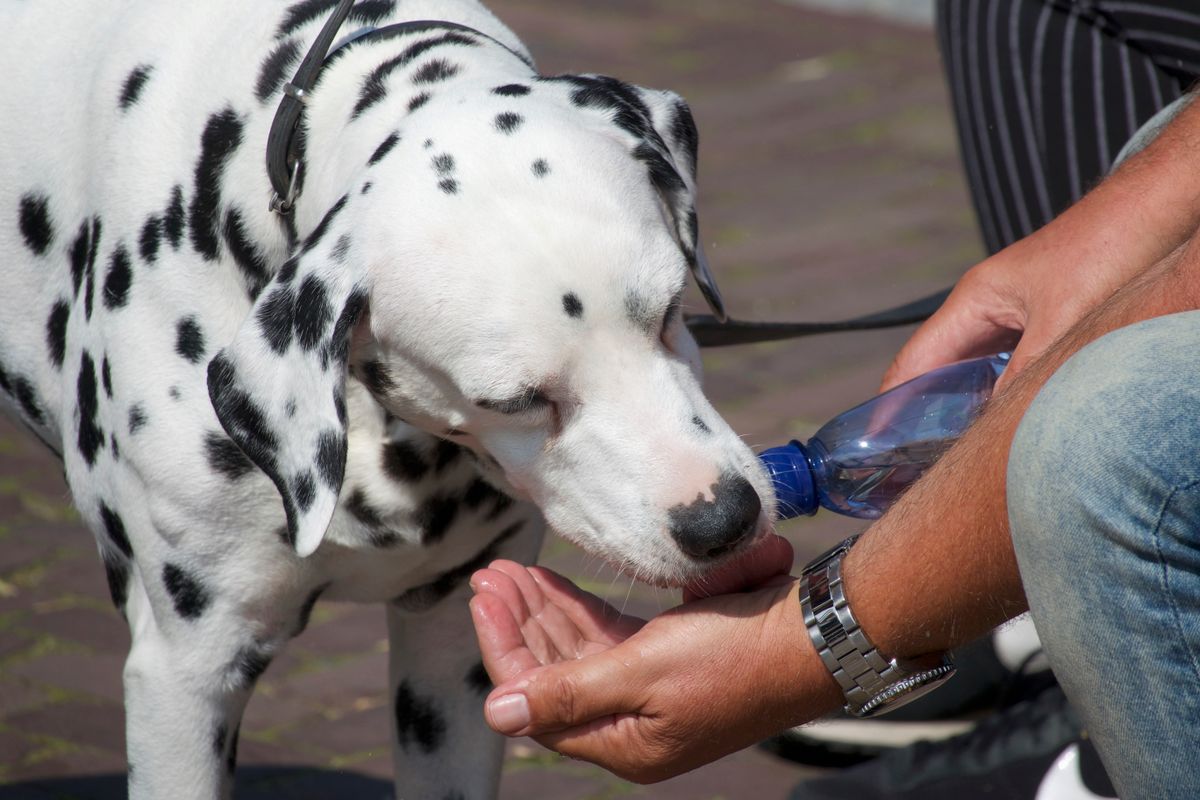
Dogs cool themselves very differently from us. We sweat across our entire body; they barely do. Their few sweat glands are in their paw pads and contribute very little to cooling. The real air conditioning is panting. Water evaporates from the moist tongue and airways, and that evaporation carries heat away.
This system is remarkably effective, but it has clear limits. In intense heat, during exertion, and especially in humid air, panting simply cannot keep up. When humidity is very high, almost nothing evaporates, and cooling collapses almost entirely. Heat then builds up inside the body, the core temperature climbs, and beyond a certain point the organs start to suffer damage.
For reference: a dog's normal body temperature is roughly between 37.5 and 39.2 degrees C. Heatstroke is generally defined from around 40 to 41 degrees C, and above about 41.5 degrees C direct cell damage begins. These numbers are rough guidelines only. In an actual emergency, what matters is not the thermometer but how your dog looks and behaves. Trust the symptoms.
Heatstroke is not a state that simply arrives; it escalates. At first the signs are easy to miss, because a panting dog on a hot day seems normal. You should become concerned when the panting does not stop, turns frantic, and the dog paces restlessly or, on the contrary, becomes noticeably limp. Thick, stringy saliva and a very red tongue also belong to this early phase.
If nothing is done to counter it, the picture shifts. The dog staggers, appears dazed, vomits, or gets diarrhea that may contain blood. The mucous membranes, meaning the gums and tongue, change color. At first often dark red, then later pale, whitish, or bluish gray, which signals a failing circulation. By this point it is a matter of minutes. Seizures, collapse, or loss of consciousness are life-threatening.
| Stage | How to recognize it | What matters |
|---|---|---|
| Early | Intense, relentless panting, rapid breathing, restlessness or lethargy, thick saliva, very red tongue | Cool immediately, inform the vet clinic |
| Serious | Staggering, vomiting, diarrhea, marked lethargy | Cool and drive to the vet immediately |
| Life-threatening | Pale or bluish gray mucous membranes, bloody vomiting, seizures, collapse, loss of consciousness | Emergency: cool during transport, head to a clinic |
There is a misconception about heatstroke that refuses to go away and is genuinely dangerous: the idea that it only happens to dogs locked in a hot car. A large British study of over 900,000 dogs tells a different story. Around three in four heatstroke cases are caused by exertion, not by a parked car. A walk in midday heat, running alongside a bicycle, an enthusiastic game at the lake: these are the more common triggers, and they affect healthy, fit dogs throughout the year.
Pay extra attention with these dogs:
A thick or dark coat is also discussed as a risk factor. One thing is certain: the more of these points apply to your dog, the more carefully you should plan on hot days.
Here is the part you should have in your head before you need it. If heatstroke is suspected, one rule applies: cool before transport. This is not just a slogan. In one study, dogs that were actively cooled before reaching the vet survived significantly more often than dogs where people drove to the clinic first and started cooling there. The first minutes are the most valuable.
Cool first, transport second. Start cooling right away, before you even set off. Cool to cold water over the whole body is correct and saves time. Call the vet at the same time and keep cooling while you drive.
Here is how to proceed:
Water and a towel in the car. In summer that lets you start cooling on the spot if things need to move fast.
If there is a pond, lake, or paddling pool nearby and your dog is still conscious and stable, he can go into the cool water. Always keep his head above the surface. For how to keep your dog comfortably cool day-to-day before things ever get critical, see our full guide on cooling your dog down in summer.
Drive without hesitation to a clinic or practice if you see any of these signs:
The reason the vet-always rule is important to understand. Heatstroke strains the whole body. The kidneys, liver, blood clotting, and brain can suffer damage in the hours after, even if the dog seems livelier after cooling. The first 24 hours are the critical window. A veterinary check is therefore not excessive caution; it is part of the treatment.
One more note on a distinction you may have heard: heat exhaustion is sometimes described as the milder sibling of heatstroke. The boundary is fluid, and as an owner it makes no practical difference in the moment. Both are emergencies, and exhaustion can tip into full heatstroke within minutes. When in doubt, act rather than wait.
The best emergency is the one that never happens. And in fact, heatstroke can almost always be avoided with a few habits. The good part: these are small adjustments, not big sacrifices.
Save longer walks for the early morning or late evening and keep the midday heat for sniff breaks in the shade. Always carry water, on every outing. Pay attention not just to temperature but also to humidity, because muggy heat is especially treacherous for dogs. Dial back the pace and the play on hot days, especially for those over-motivated candidates who do not realize on their own when enough is enough.
And then there is the car. Never leave your dog alone in a parked vehicle on warm days, not for a few minutes, not even in the shade. A parked car heats up at a frightening rate: in just ten minutes the interior temperature rises sharply, and most of that rise happens within the first half hour. Even at a mild 22 degrees C outside, the interior becomes dangerously hot within an hour. A window cracked open changes almost nothing about this.
Finally, think about the ground. Asphalt can heat to over 50 degrees C when the air temperature is 25 degrees C, hot enough to burn sensitive paw pads. A reliable rule of thumb: hold the back of your hand on the ground for seven seconds. If it is too hot for you, it is too hot for your dog. For more on scorching asphalt and other summer hazards for paws, see our article on paw protection for dogs in summer. And for a full overview of all summer topics, our big guide on how to protect your dog in summer has you covered.
Heatstroke sounds like a worst-case scenario, and in an actual emergency it is. But you now have the essentials: the signs, the right sequence, and the small habits that usually stop things from ever reaching that point. Cool before transport, always carry water, take heat and humidity seriously, keep the car off-limits. That is the core of it.
If you like, Souldog can help you stay on top of things. The poison list and first aid topics in the app put the most important emergencies within easy reach, and the Discover map helps you find shady walking routes and water spots for hot days. So that summer stays exactly what it should be for both of you: the best time of year.
 Souldog