Gastric torsion is one of the few true seconds-count emergencies in dogs. Here you will learn the early warning signs, what to do right now, and how to meaningfully lower the risk.
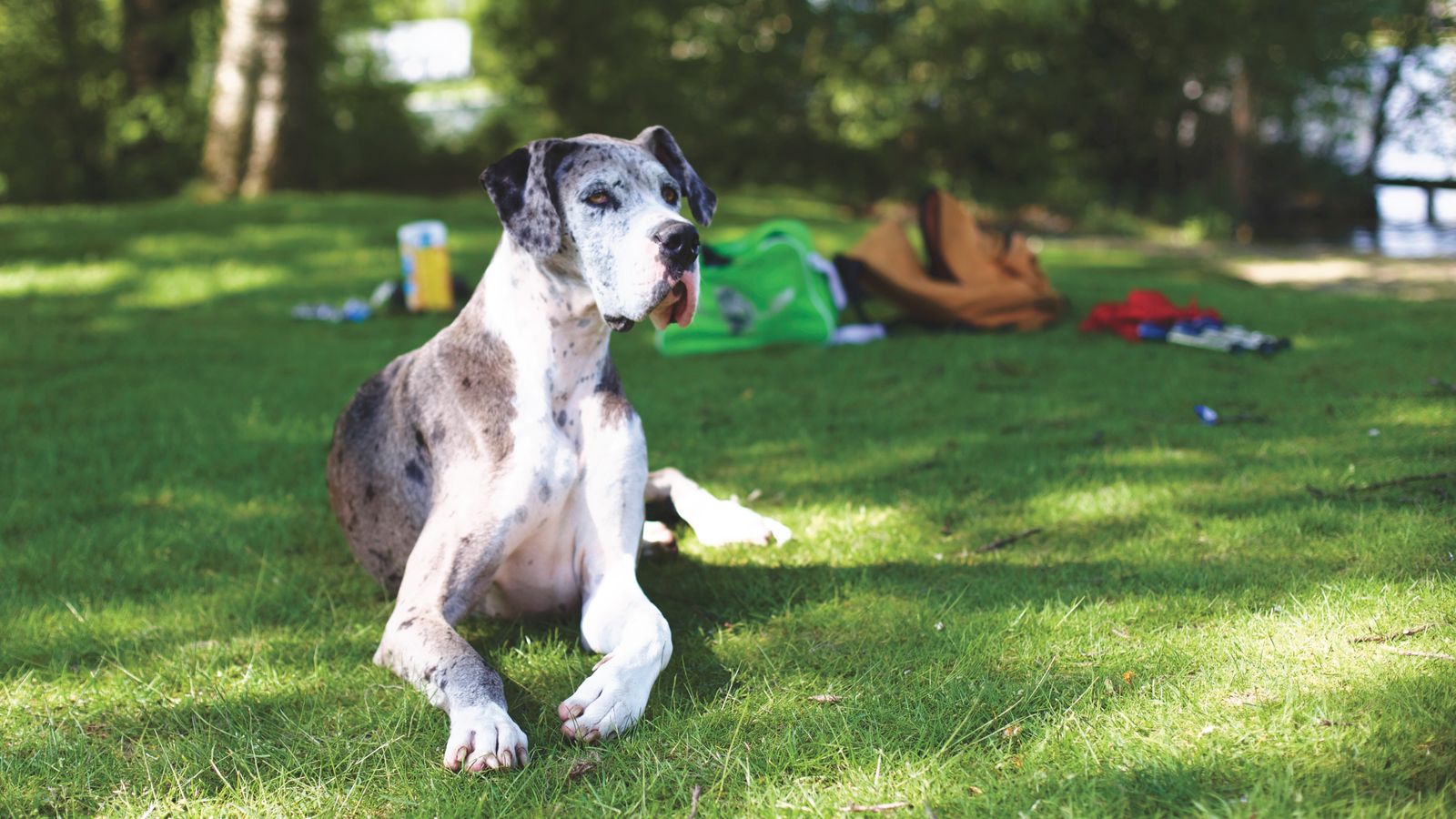
It is evening, about an hour after dinner, and your dog cannot settle. He paces back and forth, tries to lie down, jumps right back up, drools, keeps glancing at his belly. Then he retches as if he is about to vomit, but nothing comes up. In most dogs, something like this turns out to be nothing. In a large, deep-chested dog, that exact picture can be the start of gastric torsion, and when it is, every minute matters.
astric torsion is one of the few situations where waiting is not an option. The good news: you do not have to be a vet to recognize it. You just need a clear mental picture of the signs and one firm rule, when in doubt, get in the car immediately. That is exactly what we will walk through now, calmly and step by step.
Short on time? Here is what matters most. With gastric torsion, the stomach fills with gas and then rotates on its own axis. That rotation pinches off both the entrance and the exit, cuts off major blood vessels, and causes circulatory collapse. It is life-threatening, often within hours.
The classic warning signs: a visibly bloated, hard abdomen, unproductive retching with nothing coming up, restlessness, heavy drooling, and rapid panting. If you see those signs, there is only one rule: drive to the nearest emergency veterinary clinic immediately and call ahead on the way. No home remedies. No waiting. No water. That one decision saves your dog's life.
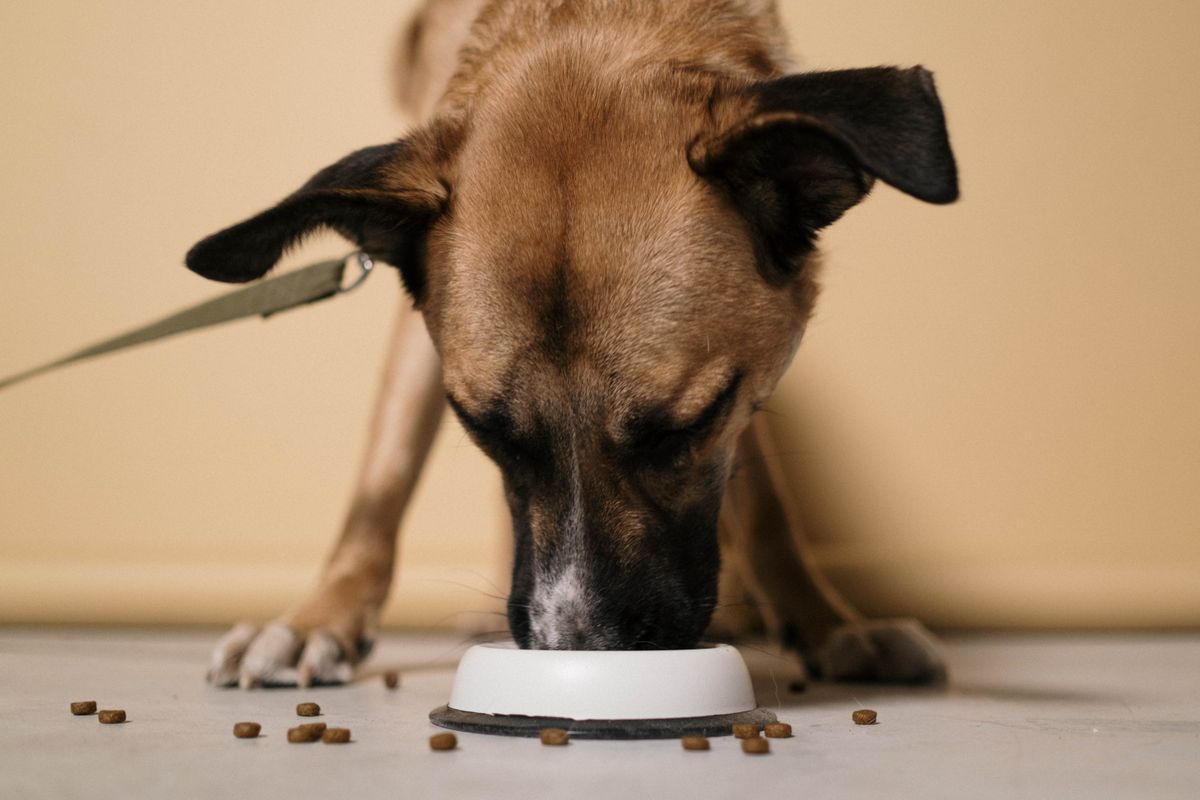
The medical term is gastric dilatation-volvulus, or GDV. Two things happen together. First the stomach fills with gas and expands, that is the dilatation. Then that already-distended stomach rotates on its own axis, that is the volvulus, the actual torsion.
The moment the stomach twists, the situation becomes critical. The entry and exit of the stomach are simultaneously pinched shut, so neither gas nor liquid can escape. Pressure keeps climbing. At the same time, the distended stomach presses on the large abdominal vessels that carry blood back to the heart. The cardiovascular system is starved of return flow, blood pressure drops, and the body slides into shock. Cardiac arrhythmias are common, and the stomach wall itself can die from lack of blood supply.
That is why minutes genuinely count here. Without treatment, gastric torsion is almost always fatal, often within just a few hours. One important detail: simple bloat and true torsion look identical from the outside, only an X-ray can tell them apart. That means you never need to figure out which one you are dealing with at home. If you suspect it, you go.
Gastric torsion does not creep up quietly. It usually comes on suddenly and progresses fast. Still, knowing the signs in order is valuable, because the earliest ones are the easiest to miss.
It often starts with restlessness. Your dog cannot find a comfortable position, stands up, lies down, maybe whimpers, keeps looking back at his belly. The most telling and specific sign is unproductive retching: your dog goes through the full motion of vomiting, strains, heaves, but nothing comes out, or at most some thick foam or saliva. Heavy drooling and panting when it is not hot are common alongside this.
As things deteriorate, the belly becomes visibly rounder and feels tight and hard to the touch, often especially on the left side behind the rib cage. A gentle tap may produce a hollow, drum-like sound. At that point you are no longer in "wait and see" territory: you go. If the gums and tongue turn pale, or in severe cases bluish, your dog becomes weak, staggers, or collapses, the circulatory system is already failing.
| Stage | What you see | What to do |
|---|---|---|
| Early | Restlessness, unproductive retching, heavy drooling, panting | Drive to the clinic immediately, call ahead on the way |
| Clear | Distended hard abdomen, obvious distress, weakness | Emergency, go without delay |
| Life-threatening | Pale gums, in severe cases bluish, staggering, collapse, loss of consciousness | Acute emergency, every minute counts |
If you suspect gastric torsion, go to the nearest veterinary emergency clinic immediately. Call ahead on the way so the team can prepare. Do not give your dog food or water, no medication, and do not attempt to massage the abdomen or release the gas yourself. Nothing that delays the drive. Every minute counts.
Bloat does not affect all dogs equally. By far the strongest risk factor is body shape, specifically a deep, narrow chest. The deeper and narrower the chest relative to the dog's size, the more room the stomach has to rotate.
The breeds hit hardest share exactly that build:
Beyond breed, individual factors raise the risk further: advancing age, a lean build, an anxious or nervous temperament, and having close relatives who have previously had GDV. Feeding habits also play a role. A single large daily meal counts as a risk factor compared with several small portions, and eating very fast increases it significantly.
One point deserves a clear correction, because a stubborn old piece of advice has turned out to be wrong. For years, the recommendation was to feed large dogs from raised bowls to help prevent bloat. One large study found more than double the risk with raised bowls; this has not been confirmed (a later study found no effect), but there is no proven protective benefit. For at-risk dogs, floor feeding is the safer choice.
You cannot prevent GDV entirely, genetics play too large a role. But you can meaningfully lower the risk with a few straightforward habits, and for a dog from a high-risk breed that effort is well worth it.
For dogs at particularly high risk, there is also a surgical option: gastropexy. In this procedure the stomach is surgically attached to the abdominal wall so it can no longer rotate. It does not prevent bloating, but it prevents the dangerous torsion very reliably: the recurrence risk drops from around 80 percent to under 5 percent. For breeds like the Great Dane, preventive gastropexy is often recommended, and it is frequently done at the same time as a spay or neuter, which keeps the burden on the dog to a minimum. Whether this makes sense for your dog is a conversation worth having with your vet.
Knowing what happens at the clinic helps you understand what you are dealing with. First the medical team stabilizes circulation through IV fluids and pain relief. Then they decompress the stomach, either via a tube passed down the throat or by a puncture through the abdominal wall. After that, surgery almost always follows: the stomach is untwisted, checked for tissue damage, and sutured to the abdominal wall. In some cases, portions of dead stomach tissue or the spleen must be removed.
The prognosis depends above all on one thing: speed. Dogs who reach treatment quickly have good survival odds: more than 80 percent survive when treated early. If parts of the stomach wall have already died, the odds drop sharply. With every hour that passes, those odds deteriorate as more tissue is damaged. That is precisely why the same message appears at the start and end of this article: when in doubt, do not wait, just go.
Gastric torsion sounds like a nightmare, and in the moment it is. But now you have the essentials: the signs, especially unproductive retching and a tight, distended belly, the firm rule to go immediately rather than wait, and the small feeding adjustments that lower the risk. For a dog from a high-risk breed, the conversation about gastropexy belongs on that list too.
If you would like, Souldog can help you keep situations like this on your radar. In the first-aid topics you will find the most important emergencies ready to hand, and in the health tools you can log your dog's breed, weight, and feeding routine. Anyone who wants to learn more about early warning signs around dog health will find further emergencies worth knowing in the full overview. That way, a queasy feeling on a weeknight evening has the best chance of turning out to be nothing at all.
 Souldog