Beech forest, heath, vineyard, lake and sea in the off-season: destinations for autumn trips with a dog, the rules local authorities publish, and what shorter days and hunting season change.
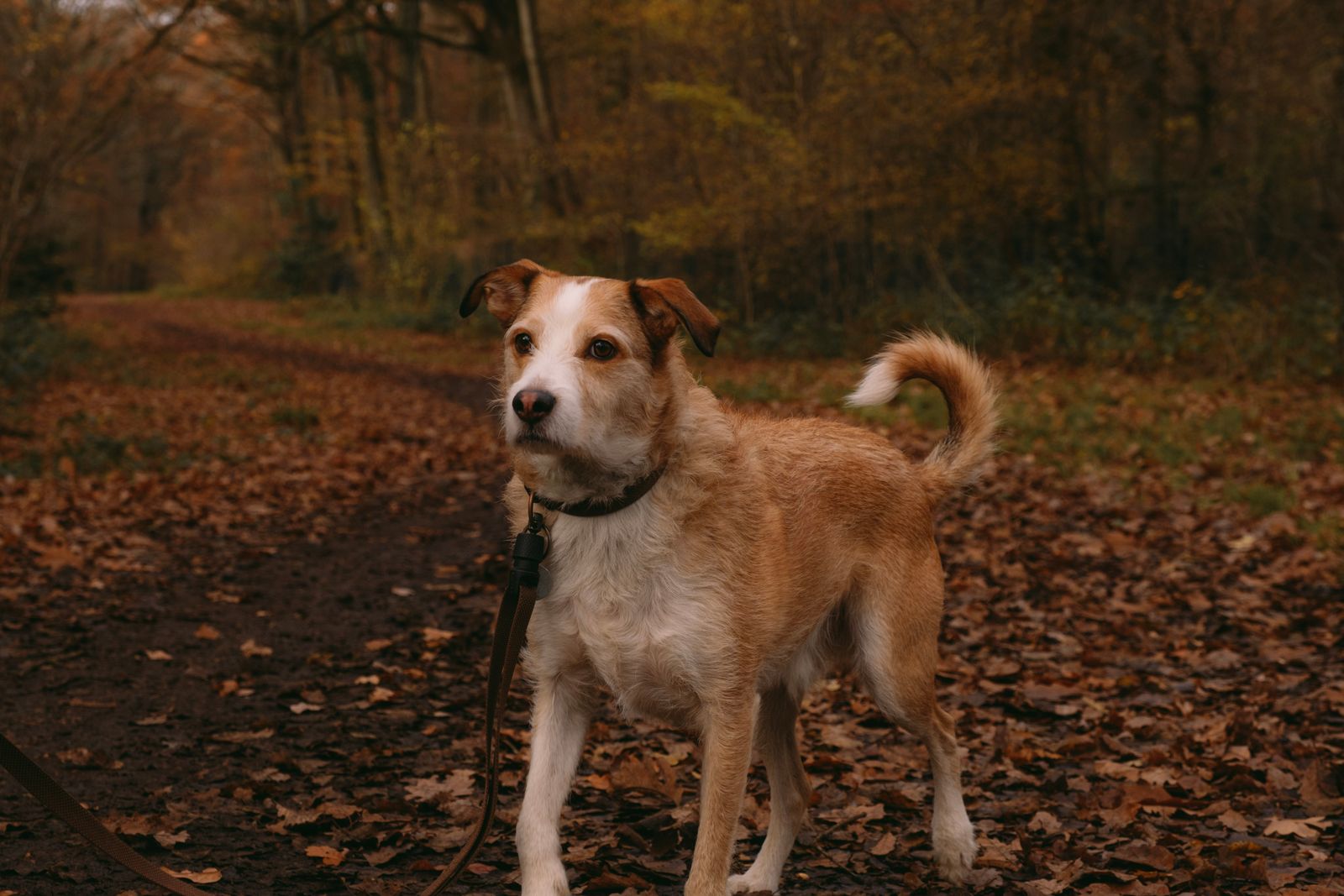
It is 4:40 p.m., the sun is already low, and your dog is standing at the door as if he had read the calendar. Welcome to autumn: the light turns golden, the paths rustle, and the school holiday week is coming up. All that is missing is a destination that was not already overrun in August heat.
his guide adds the autumn angle to our overview of day trips with a dog in Germany. We go through the landscapes that suit October best and name, for each destination, the dog rule that applies there according to the local authority. Where we could not confirm a rule from an official source, it says so: as a gap, not a guess. For ideas beyond the season, see our overview of things to do with a dog.
Autumn follows the same rules as the rest of the year, but four things shift: beaches and bathing spots often open up to dogs again, forests fill with hunting activity, the days get shorter, and harvest mites are out. If you plan around that, the off-season often means more space and less stress.
Dog rules in Germany are not a federal matter. They sit in national park ordinances, beach bylaws, house rules and state laws. That is why we name the source of each rule below, and why you should check briefly before you leave whether it still applies.
Deciduous forest in October is the high point of the year for many dogs: soft ground, a thousand smells, and none of it needs sunscreen. If you want to hike with your dog, the national parks offer large, connected forests. The price: the leash stays on.
The umbrella organisation of Germany's large protected areas asks visitors to leash dogs in protected areas and points out that some parks have exceptions and their own off-leash zones. So the rule of the individual park is what counts. Three examples:
Outside protected areas, the state decides. Baden-Württemberg, for example, has no general leash requirement in the forest according to ForstBW. The dog must be controllable and recall instantly, though, and as soon as game or people appear, it goes on the leash. How to prepare a longer tour is covered in our guide to hiking with a dog.
The big heather bloom runs in August and September according to Lüneburger Heide GmbH, usually until mid-September. In October the purple is over. The landscape stays wide, the trails stay long, and it is much quieter than in bloom week.
The rules apply all year. In the nature reserve a leash is required all year round, and you must not leave the marked paths. That is what the Verein Naturschutzpark and the nature park write in their visitor notes. The reason is the heath sheep: they also cross marked hiking trails, and a dog off the leash can panic a flock. In the landscape protection areas of the open countryside, dogs must be leashed from 1 April to 15 July.
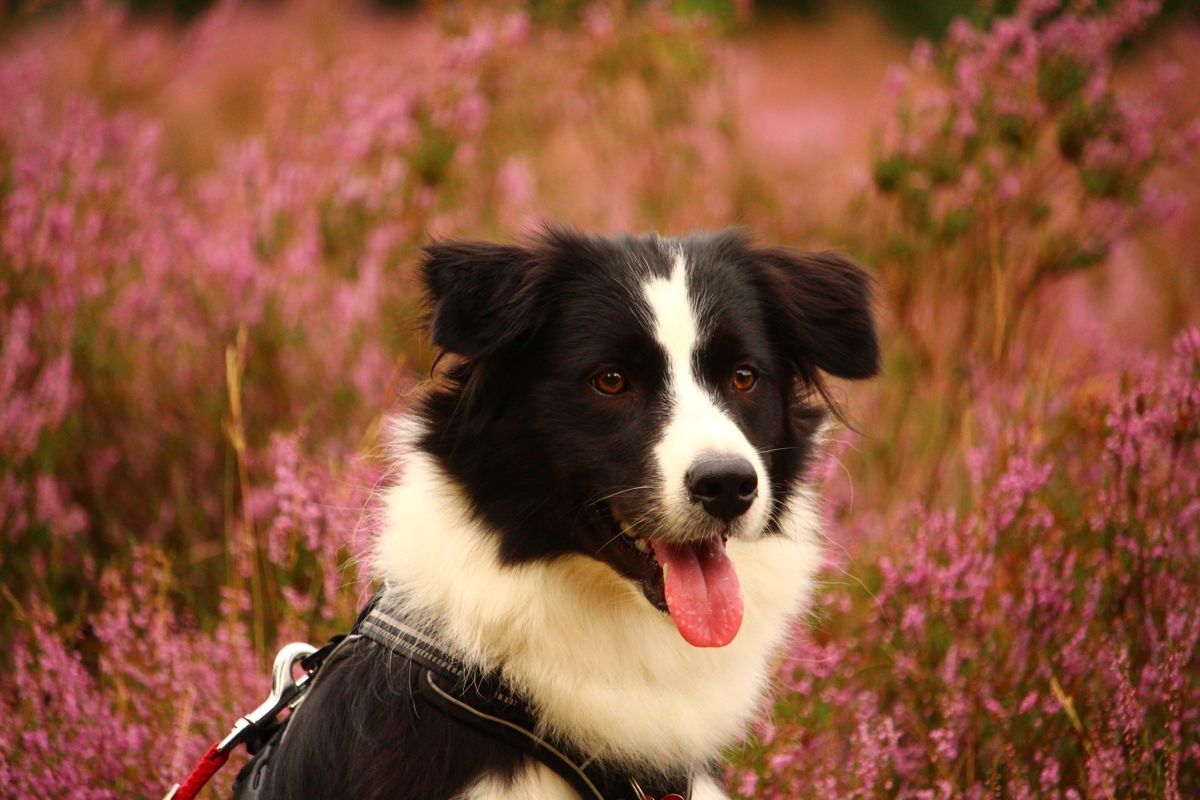
Wine regions are at their best in autumn: the vines change colour, the paths lead through the slopes with a view, and a tavern usually waits at the end. We could not confirm a dog rule that applies to a whole wine region. Municipalities regulate this themselves, and what applies at harvest time depends on the place.
Two things are clear anyway. First, grapes and raisins are toxic to dogs and can damage the kidneys. Do not let your dog eat grapes from the ground or from the rows. Second, a vineyard is a workplace: at harvest, people and machines are in the rows, and you cannot go wrong with a short leash on the path. If you combine a wine region with a city stop, our city guides help, for example Wiesbaden with the Rheingau on its doorstep or Freiburg at the edge of the Baden vineyards.
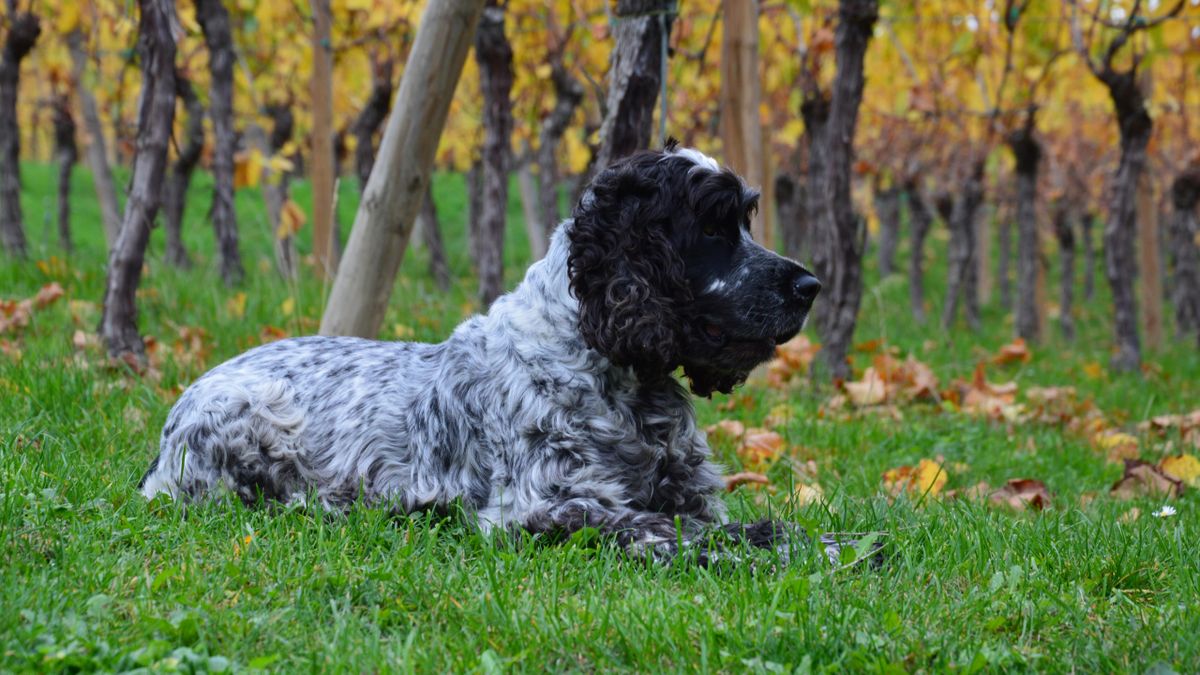
Some bathing spots are off limits to dogs in summer and open again in autumn. One documented example is the Heiligenstadt natural bathing lake in Upper Franconia: according to its house rules, dogs are banned from 1 May to 30 September, and for the rest of the year dogs must be leashed. This is a small lake and no pattern for all of them, because each municipality sets its own dates. The principle often holds, though: the ban depends on the bathing season, not on the whole year.
So check at the entrance or on the municipality's website when the bathing season ends. For how to use lakes and the sea safely otherwise, see our guide to swimming with a dog in lakes and the sea.
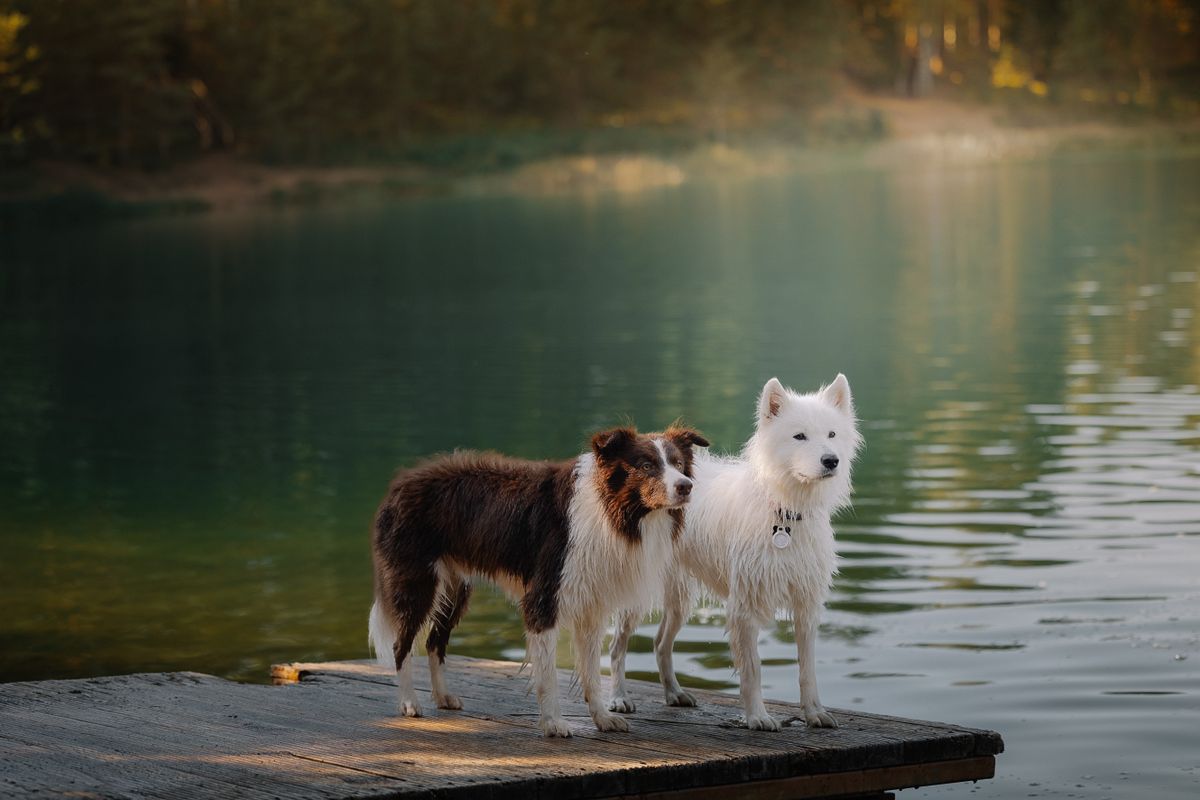
The sea is the classic for the autumn holidays. On the Baltic coast, towns and municipalities regulate the beach in bylaws, and the dog restriction there often ends only at the end of October. Three examples from the bylaws:
The catch for holiday families: in 2026 the autumn holidays in Schleswig-Holstein, Lower Saxony and Mecklenburg-Vorpommern fall entirely in October and therefore still within the season in Heiligenhafen and Peenemünde. If you are heading to the Baltic with a dog, find out beforehand where exactly your beach section is.
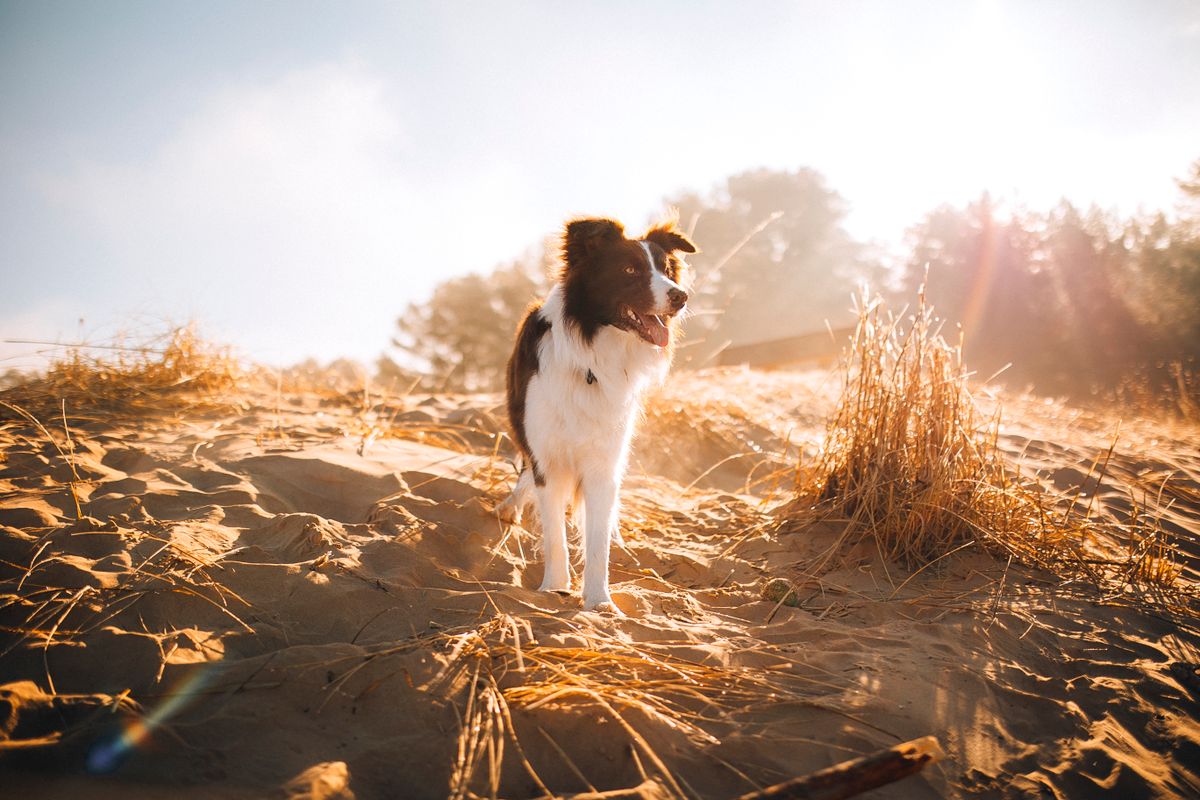
The North Sea follows a different logic. In the Wadden Sea National Park a leash requirement without time limit is the rule: in Schleswig-Holstein across the whole national park, on dikes and foreshores; in Lower Saxony all year in the quiet and transition zones, and from 1 April to 15 July across the whole open landscape. In autumn many migratory birds rest there; the park authority asks you to keep dogs close and on the path. Dog beaches are best asked about at the local tourist office.
If you want to combine coast and city, look at our city guides: Kiel on the fjord and Rostock with Warnemünde.
The table summarises the destinations. It reflects October 2026 and does not replace a look at the local source.
| Destination | What applies to dogs |
|---|---|
| Eifel National Park | Leash all year, at all times |
| Harz National Park | Leash at all times |
| Kellerwald-Edersee National Park | Leash, dogs welcome |
| Lüneburger Heide, nature reserve | Leash all year, stay on marked paths |
| Heiligenhafen, beach | Banned 1 April to 31 October except dog beach, then all sections |
| Peenemünde, beach | 1 April to 31 October marked sections, leash everywhere |
| Boltenhagen, beach | Banned 15 May to 30 September (fine schedule: 15 September), dog beaches excepted |
| Wadden Sea, Schleswig-Holstein | Leash across the whole national park, no time limit |
| Wadden Sea, Lower Saxony | Leash in quiet and transition zones all year, 1 April to 15 July everywhere in open landscape |
| Heiligenstadt bathing lake | Banned 1 May to 30 September, otherwise leash |
Autumn holidays fall between early October and early November, depending on the state. According to the Standing Conference of the Ministers of Education, in 2026 they start on 5 October in Hesse, Rhineland-Palatinate and Saarland and end in Bavaria on 6 November. For a short break it is worth asking whether your state is early or late, because the beach rules above change on 1 November.
On accommodation, the Consumer Advice Centre NRW advises clarifying the rules and costs for the dog before signing: extra charges are not rare, and dog-friendly does not mean the dog is allowed everywhere, for example not in the breakfast room. For holiday homes, ask about the number of dogs, off-limits areas and a fenced garden. More on planning is in our guide to travelling with a dog.
And for everything you cannot settle in advance: on the Souldog places map you can see dog-friendly places, cafés and destinations on site, even if the beach turns out not to suit after lunch.
The days get shorter, and the clocks go back at the end of October, in 2026 on 25 October. After that it is dark an hour earlier in the evening. Plan tours so you are back before dusk, and pack a light and an LED collar for the rest. How to walk safely in the dark is covered in our guide to dog walks in the dark.
Hunting season weighs more. Drive hunts take place in autumn and early winter. According to Eifel National Park mostly from October to December, and a handout from the Bavarian State Institute of Forestry gives October to year end as the usual period. Hunting dogs are deployed, and game and dogs can cross paths and roads. Take closures seriously: the Rhineland-Palatinate state forests ask visitors to heed closures and go around them, even if the path looks open. During a hunt in the Lower Saxon Drömling in November 2024, the forest was closed for several hours on the day, and the forest service asked visitors to go elsewhere. Your dog belongs on the leash in the forest during this time. A signal vest for him is not mandatory but makes him easier to see at dusk.
Then come the harvest mites: they are active in late summer and autumn and cause itching on paws, belly and ear edges. How to recognise them and what helps is explained in our guide to harvest mites on dogs.
And then there is wet fur. An old towel in the boot makes the car and the evening much more pleasant after rain and puddles.
And if you need a break on the way: on a dog park nearby your dog can have one more run off leash before the drive home.
After summer, the same paths are more pleasant for many dogs: less heat, often fewer people, more space. If you clarify the rules beforehand, do not forget the leash and are back before dusk, the holiday week becomes exactly what your dog was hoping for when he looked out of the window.
And if you do not know yet where to go today: on the Souldog map you can see dog-friendly places and experiences near you, and our city guides show you what is possible after the trip.
 Souldog