From forests and low mountain ranges to dog beaches and wildlife parks that allow dogs: an honest guide to beautiful destinations, with the rules that actually apply on site, and the most important advice up front. Always check before you set off.
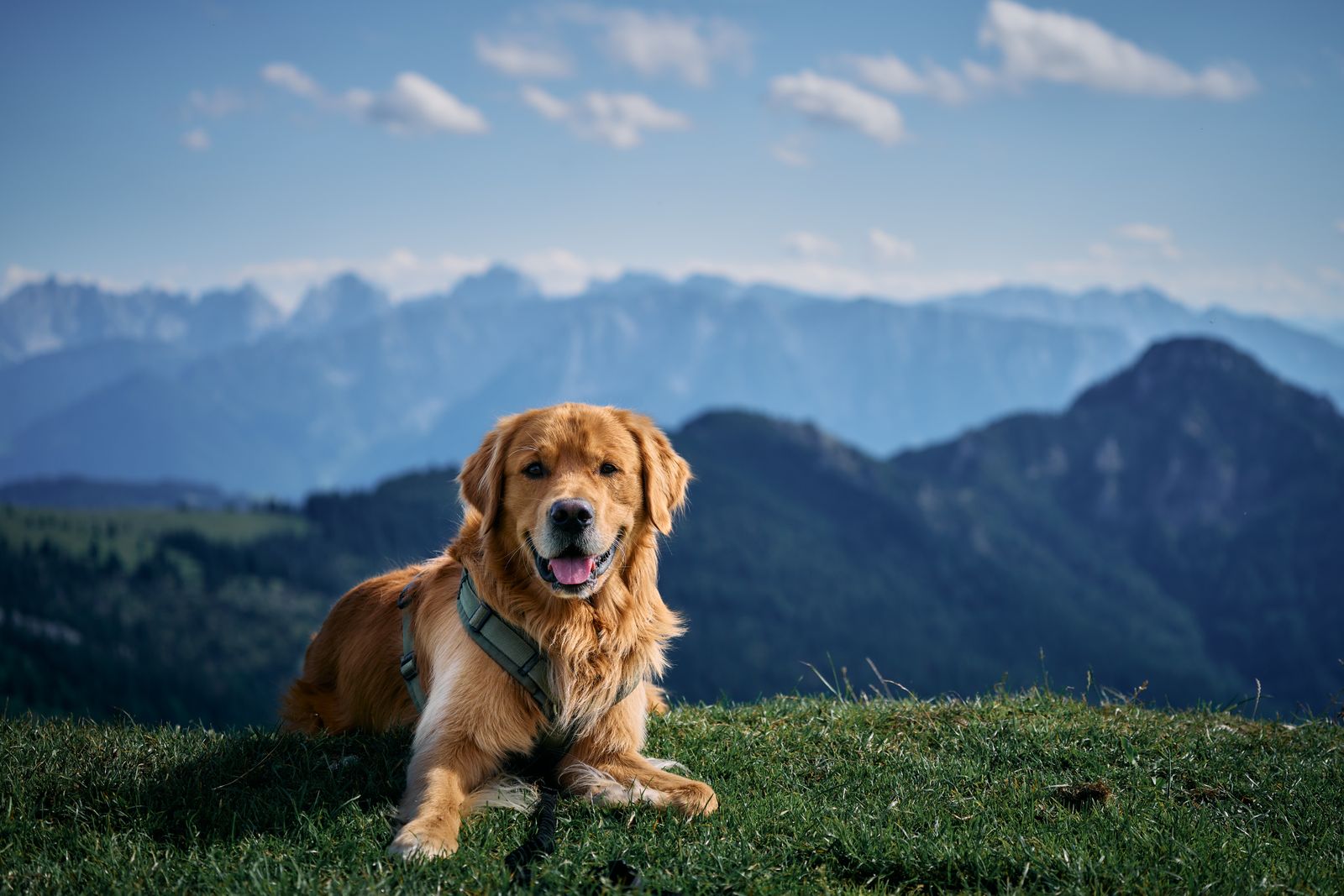
It's the weekend, the weather is on your side, and the question is in the air: where should we go with the dog today? The park around the corner has long since been walked to death, and somewhere out there, forests, coasts, and wildlife parks are just waiting for a four-legged visitor. The catch: dogs aren't welcome everywhere, and the rules differ from state to state, from place to place, and depending on the season.
his guide won't give you a rigid ranking of the ten most beautiful spots that will be outdated by next year. Instead, it offers a system of categories and the rules you need to know for each one. That way you can find destinations that suit you and your dog, and you'll know in advance what to watch out for. The most important sentence comes first, and it runs through the whole article: check the rules for your specific destination before you set off, because they change. For more ideas on things to do together, see the full overview of activities with your dog.
Before we get to specific places, it's worth looking at what actually makes a day trip destination dog-friendly. It's rarely the beautiful scenery alone. A place works well with a dog when your dog is actually allowed there, when there's enough space and shade for breaks, when water is available, and when it isn't so busy that it stresses you both out.
In short: the best destination is one where your dog can relax and take part, rather than being dragged on a short leash through crowds of people. A packed viewpoint on a public holiday is more exhausting for many dogs than a quiet forest trail on a weekday. With that in mind, let's go through the categories.
For most dogs, the open countryside is the finest destination of all: space, scents, soft ground. Germany is full of regions well suited to trips with a dog, from the Harz through the Schwarzwald and the Bayerischer Wald to the Sächsische Schweiz and the Allgäu. Forests, low mountain ranges, and lake landscapes offer miles of trails where you can both recharge.
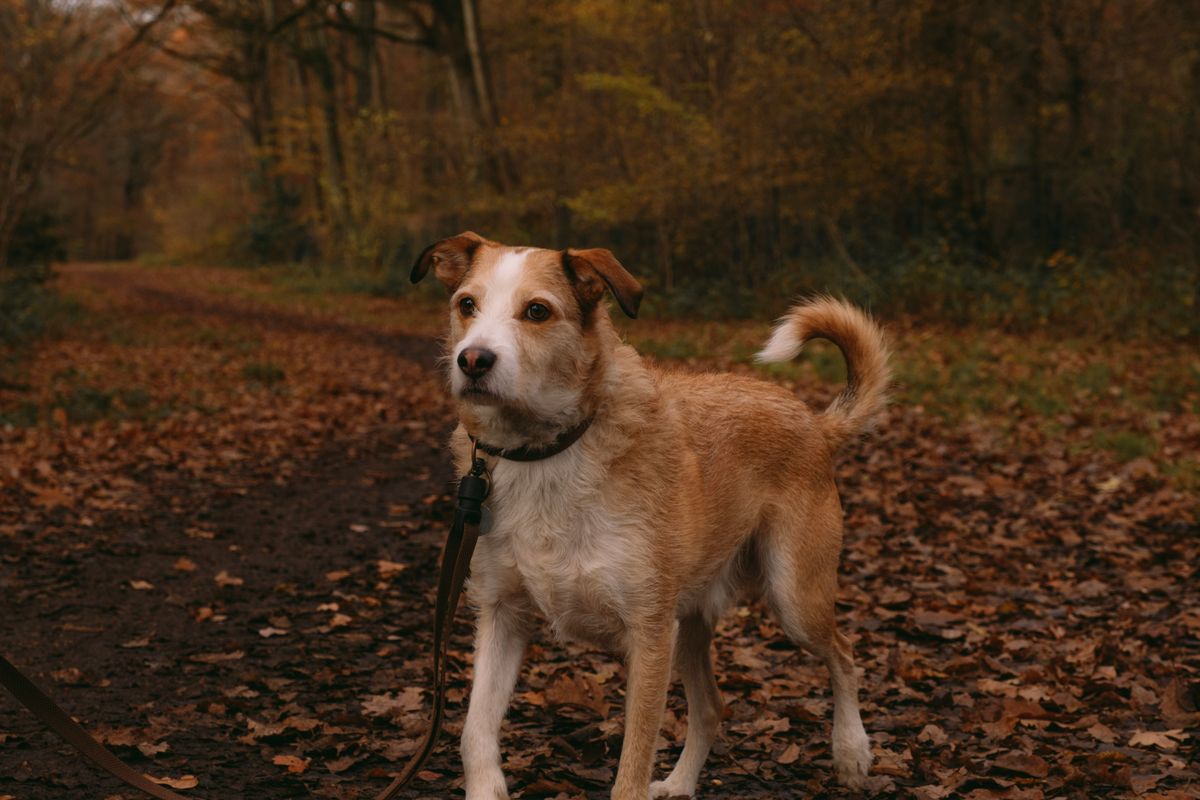
One important note belongs here: national parks and nature reserves often have stricter rules, usually a year-round leash requirement, and some zones can be off-limits to dogs entirely. This protects wildlife and ground-nesting birds. In the Sächsische Schweiz, for example, the national park has a leash requirement at all times. Pay attention to the signage at the entrances and stick to it, even if there isn't another soul in sight. For how to prepare for a longer tour, from building up fitness to the right gear, see the guide to hiking with your dog.
The sea and dogs go well together, as long as you know where it's allowed. Along the Nordsee and Ostsee there are numerous designated dog beaches where your dog can romp around and often even run off leash. One example is Grömitz on the Ostsee, which has two dog beaches of its own. Other stretches, especially the classic swimming beaches for people, are off-limits to dogs during the main season.
Two things matter along the coast. First, the rules are seasonal: many beaches relax their requirements in the off-season, roughly from November to March, and allow dogs on more stretches during that time. Second, these rules are set locally and adjusted every year, so here too: find out about the specific beach before you travel. And for everything else to watch for in the water, from blue-green algae to salt water, see the guide to swimming with your dog in lakes and the sea.
A wildlife park sounds like a great day trip with a dog, and some really do allow dogs on a leash. But never assume this is the case everywhere. Roughly half of Germany's zoos and animal parks don't let dogs in at all, often because of the stress it causes the animals kept there and for hygiene reasons. The Tiergarten Nürnberg, for instance, remains closed to dogs.
Where dogs are allowed, two conditions almost always apply: a leash requirement across the whole site, and no access to animal houses or walk-in enclosures. Some destinations that, according to current research, allow dogs on a leash include the Serengeti-Park Hodenhagen, the Wildpark Lüneburger Heide, the outdoor animal area in the Nationalpark Bayerischer Wald, and the Zoo Rostock. Because rules and prices change, the same applies to each of these: check the official website before your visit and make sure dogs are currently welcome.
A particularly relaxed option is a fenced dog forest, where your dog can safely run off leash. The Harzer Hundewald in Wildemann, for example, offers several thousand square meters of fenced off-leash space, year-round and free of charge.
A city trip can be wonderful with a dog too, as long as it suits your dog. Many city centers, parks, castle gardens, and outdoor grounds can be explored comfortably with a dog on a leash, and more and more cafés and restaurants welcome four-legged guests.
Still, be honest with yourself about your dog's expectations. Crowds, traffic noise, hot pavement, and constant stimulation are more stressful than enjoyable for many dogs, and in museums, castle interiors, or exhibitions they usually have to stay outside anyway. A young, confident city dog will take a day like that in stride, while a dog that's sensitive to stimulation or unsure of itself will recover much better in the forest. When in doubt, plan for quiet times and always have a fallback plan in case it gets to be too much for your dog.
Now for the part that most day trip lists either skip or get wrong. The rules around leashes and nature protection in Germany aren't a single, uniform federal law. They differ from state to state. Anyone who doesn't know this can easily end up with an expensive fine.
Leash laws are a matter for each federal state. There is no nationwide leash rule. Berlin and Hamburg have a statewide leash requirement with certain exceptions; in Brandenburg, Mecklenburg-Vorpommern, Schleswig-Holstein, and Thüringen, dogs must be leashed in forests year-round, while Bayern and Baden-Württemberg have no statewide rule at all and leave it entirely to the municipalities. In Nordrhein-Westfalen, dogs must be on a leash within towns, at events, in parks, and in forests away from marked paths. A blanket claim of "in Germany, the rule is" is therefore almost always misleading.
Breeding and nesting season brings its own leash rules. In many federal states, a special leash requirement applies in the open countryside during spring and early summer, roughly from March to mid-July, so that wildlife can raise their young. The exact dates differ by state; in Niedersachsen, for instance, it runs from April 1 to July 15. In the Nationalpark Wattenmeer, a leash requirement applies everywhere during this period. Violations can get expensive, and anyone who startles or even injures wildlife can quickly end up paying substantially more.
Swimming lakes for people are usually off-limits. At designated swimming spots for bathers, dogs are generally not allowed, for hygiene reasons and to avoid conflicts. Some lakes designate a separate dog beach instead. Ignoring a no-dogs sign is a regulatory offense, so it's worth taking a quick look at the signage.
These rules may sound like a lot, but they all boil down to a single rule of thumb: never rely on a general statement. Check the regulation for your specific destination and the current season.
A good day trip starts at home. This short list catches the most common mishaps before you even set off.
Germany has the right destination for almost every dog, from the quiet forest trail to the wide-open dog beach to the fenced off-leash area. In the end, what matters less is the perfect sight and more the question of whether your dog can enjoy the day feeling relaxed. If you check the rules beforehand, pick a destination that suits your dog's temperament, and don't squeeze into crowds, the day trip turns into a really good day.
And if you don't want to spend long deciding where to go today: on the Entdecken map in the Souldog app, you can see dog-friendly places near you at a glance, from the dog park to the café with a water bowl to the beautiful day trip destination. It's the living alternative to any rigid list.
 Souldog