




24 doors, one dog and the question of what actually goes inside. Here are ideas with and without food, the right amount per day, the no-go list and two recipes to bake yourself.
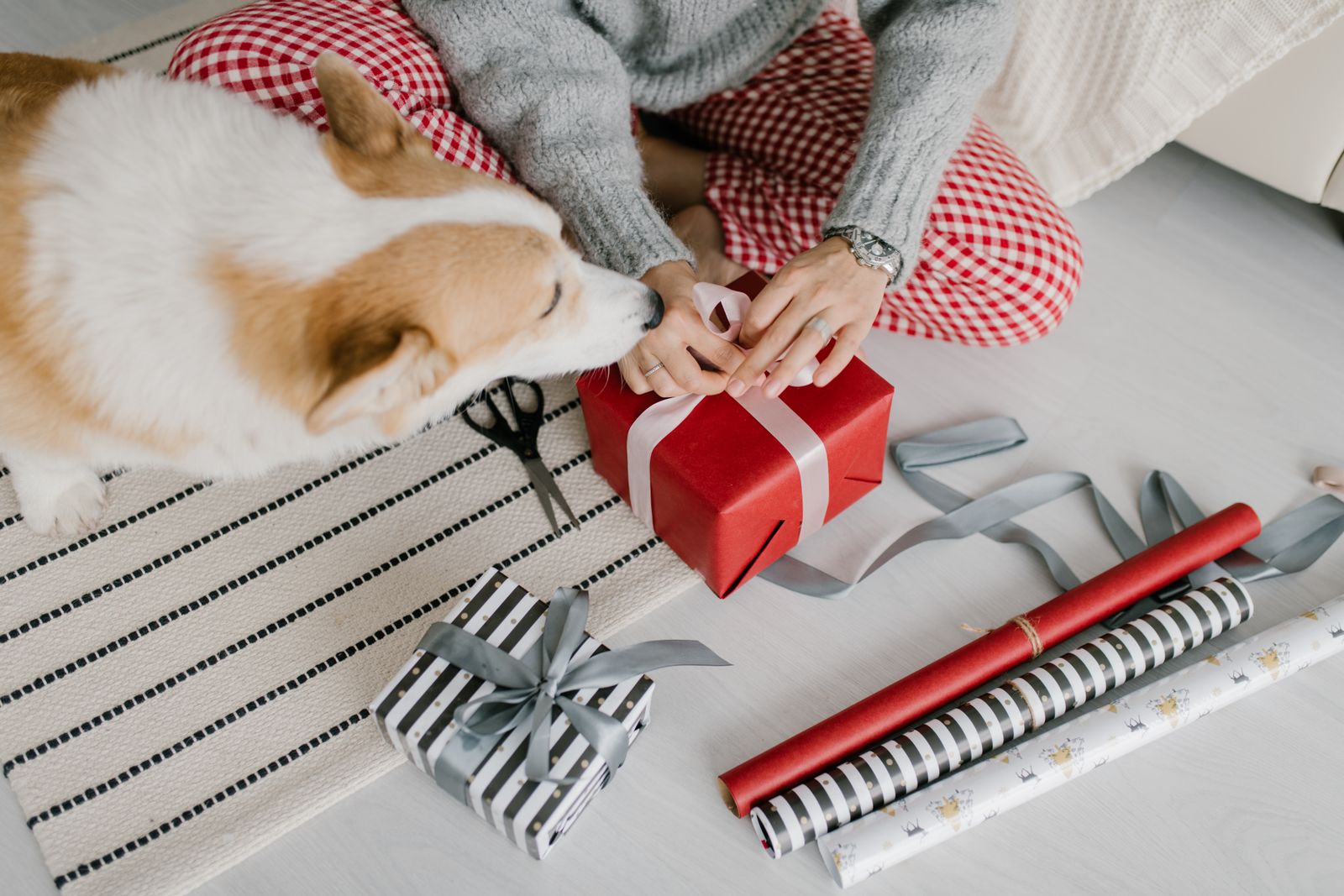
ecember 1st, seven in the morning. You're still half asleep over your coffee, and behind you sits someone with perked-up ears and very clear expectations. He doesn't know what a calendar is. He only knows that something rustled right here yesterday, and rustling means good things.
A dog advent calendar is exactly this kind of small ritual, and you can make one in an afternoon. To keep it from turning into a calorie bomb or a choking hazard, a short plan is worth it before the first bag goes up.
Making a DIY dog advent calendar is easy: 24 bags or pouches, easy for you to reach and impossible for your dog to get to. Fill them with a mix of tiny treats, chews, toys and doors without food, like a search game. All the snacks of one day together should add up to no more than about 10 percent of his daily calories; his main meal gets a bit smaller on those days. Off limits are chocolate, xylitol, raisins, nuts and Christmas baked goods.

You don't need any craft skills, just something that can be opened 24 times. These versions have proven themselves:
| Version | Good to know |
|---|---|
| Paper bags on a string with clothespins | quick to make, draw the numbers on, done |
| Empty toilet paper rolls, ends folded in | costs nothing, opening one is a little game in itself |
| Fabric pouches or jute bags | reusable every year, also good for fresh snacks |
| Egg cartons (four of six) | perfect for mini treats, stackable in the cupboard |
| A box with 24 envelopes | ideal for doors without food, such as notes with ideas |
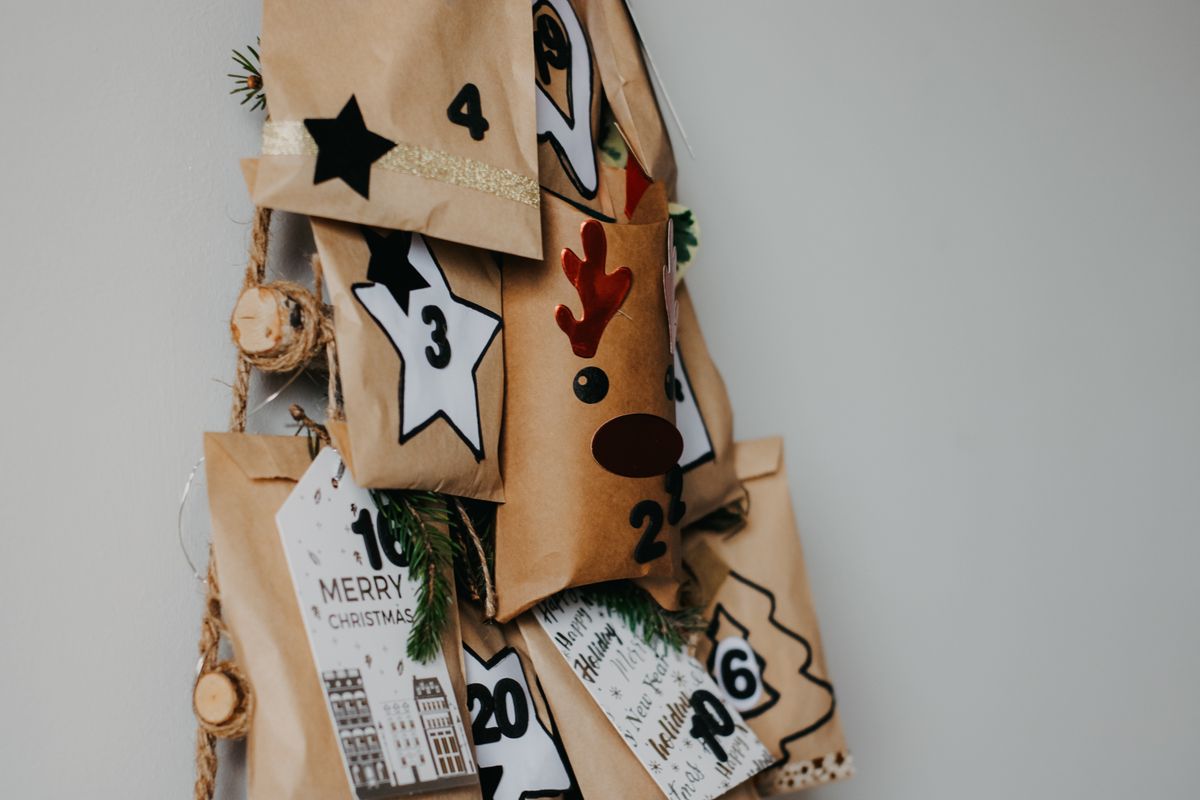
When hanging it up, one simple rule applies: higher than your dog can jump and farther from the sofa than he thinks. A calendar full of treats at nose height won't survive the night.
Take a second look at the wrapping, too. String, ribbon, foil, tape, staples, glitter and little bells do not belong in the bag or anywhere your dog will tear it open. If swallowed, they can injure or block the intestine. If your dog is allowed to open the bag himself, then only under supervision and only with paper that has no decoration.
In short: anything your dog already tolerates well, in small pieces. Christmas treats made for humans stay out.
| Ingredient or idea | For the calendar |
|---|---|
| Small training treats, dried meat, mini cubes of cheese | yes, in small amounts |
| Homemade dog biscuits without sugar and salt | yes |
| Carrot, apple without the core, cooked pumpkin | yes |
| Chews in a suitable size | yes, only under supervision |
| Toys bigger than his mouth | yes |
| Banana, peanut butter without xylitol, salt and sugar | only a little, very high in calories or sugar |
| Cinnamon | only tiny amounts, better left out |
| Chocolate, cocoa, pralines | no, toxic |
| Chewing gum, sugar-free candy, products with xylitol (birch sugar, E967) | no, toxic |
| Grapes, raisins, sultanas, currants | no, can cause kidney failure |
| Macadamia, walnuts and other nuts | no |
| Gingerbread, stollen, marzipan, cookies | no |
| Nutmeg | no, toxic |
| Cooked bones | no, they splinter |
| Small parts, foil, tinsel | no, choking hazard |
The darker the chocolate, the more dangerous it is; baking cocoa and dark chocolate are especially risky. White chocolate contains hardly any theobromine, but it is so fatty and sweet that it can strain the stomach and pancreas. Xylitol is dangerous even in very small amounts and sharply lowers blood sugar, so check the ingredient list every single time you buy peanut butter. For raisins and grapes there is no safe amount, and that includes stollen and cookies with raisins.
You'll find a detailed overview with more than 200 entries in our poison list for dogs. What is fine for the bowl in everyday life is covered in the guide What can dogs eat?.
This is where a good dog advent calendar differs from one that shows up on the scale in January. As a rule of thumb, vets recommend: all treats, snacks and chews of a day together should make up no more than about 10 percent of daily calories. So count the door toward those 10 percent and give a bit less main food on that day.
Rough guideline values for adult dogs with normal activity:
| Weight | Daily need, roughly | Of which at most for snacks |
|---|---|---|
| 2.5 kg | approx. 220 kcal | approx. 22 kcal |
| 5 kg | approx. 375 kcal | approx. 38 kcal |
| 10 kg | approx. 630 kcal | approx. 63 kcal |
| 20 kg | approx. 1,060 kcal | approx. 106 kcal |
| 30 kg | approx. 1,440 kcal | approx. 144 kcal |
A Toy Poodle weighing 2.35 kg has only about 21 calories of snack room for the whole day. For him, a door means a treat the size of a pea, not a chew bone. Puppies, very active, senior or neutered dogs can land well above or below these values. The food calculator in the Souldog app works out your own dog's needs. If your dog already carries a few grams too many, the guide Overweight dog helps you steer back.
A trick for dogs who inhale everything: take part of his normal dry food and spread it across the doors. Then the calendar is enrichment instead of an extra portion.
The mix is what brings the most joy. A rough pattern: something edible on about half of the days, and toys, chewing or an experience on the others.
For nibbling: homemade biscuits, dried chicken or beef strips, a piece of carrot, a slice of apple without the core, pea-sized cubes of cheese, a spoonful of pumpkin puree in a lick toy.
For chewing: a chew that fits your dog's size, something stuffed into a chew toy, a piece of dried fish, a soft chew strip. Only give chews when you're there, and take large leftovers away again. A rule of thumb from veterinary dentists: if you can't press a chew in with your thumbnail, it is probably too hard; antler, hooves or nylon can break teeth. Rawhide can get stuck in the throat or cause an intestinal blockage.
For playing: a new ball, a tug rope, a snuffle mat, a treat ball, a squeaky toy in the right size. Toys smaller than your dog's mouth don't belong in the calendar.
For the big days: on St. Nicholas Day a new collar or a light-up collar for the dark walks, on Christmas Eve his favorite toy brand new or a long trip to his favorite place.
For allergic dogs, dogs on a diet and small breeds, these doors are worth their weight in gold. Instead of a treat, there's a note in the bag, and the surprise is time together:
For gloomy December days, you'll find more ideas in the guide Keeping your dog busy in bad weather.
For puppies, keep the treats tiny and the amount small, and introduce new things one at a time, because a young stomach is more sensitive. Hard or tough chews and rawhide are unsuitable for young teeth. How much a puppy needs in total is covered in the guide Feeding puppies.
Toy breeds, as calculated above, have hardly any room to spare. It pays to break treats into crumbs and plan doors without food more often.
If your dog has allergies or a sensitive stomach, only snacks he tolerates safely go into the calendar; when in doubt, use pieces of his usual food. You can bake grain-free biscuits with oat or rice flour, as long as oats and rice agree with him.
Older dogs enjoy soft snacks instead of hard chews, small amounts and quiet doors: a long brushing session or their favorite walk at their own pace.
Both recipes work without sugar, salt and spices. Each makes roughly 30 to 40 small biscuits; for small dogs, cut them out even smaller.
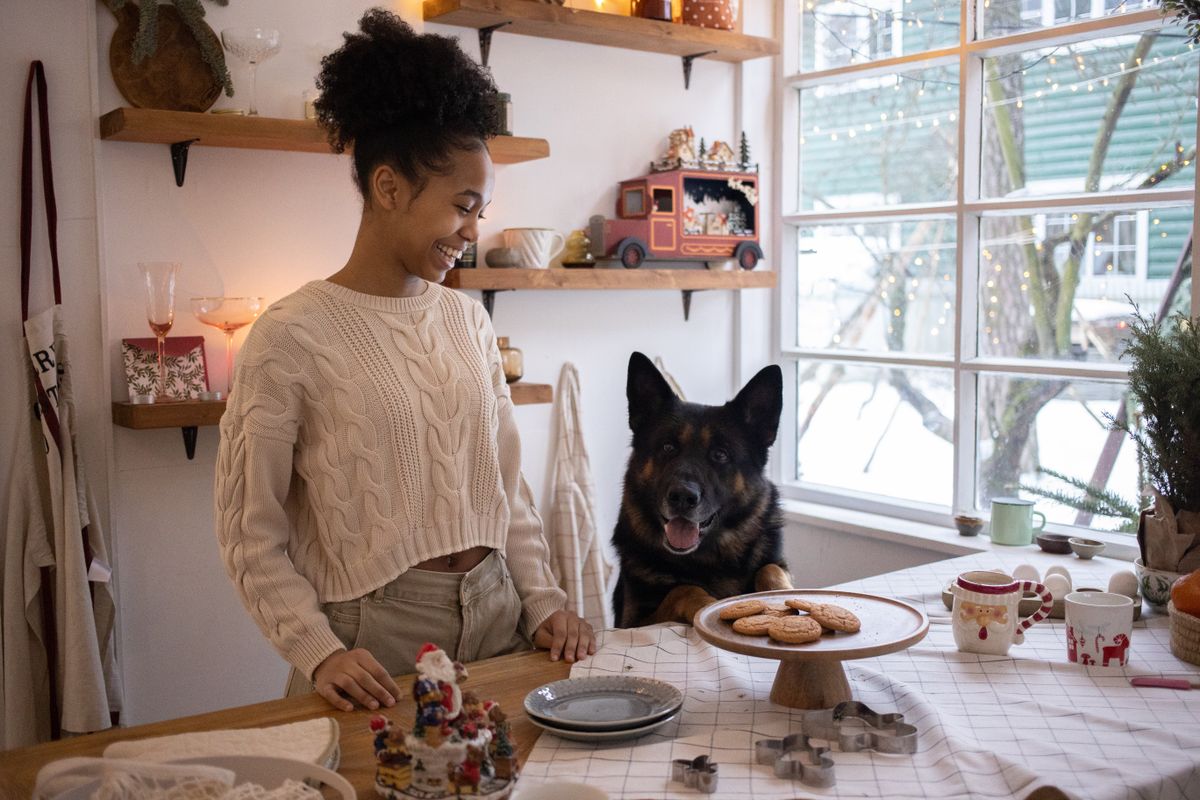
Pumpkin oat rounds
Knead everything into a firm dough, roll it out about half a centimeter thick and cut out small rounds. Bake at 170 °C (340 °F) top and bottom heat for about 20 to 25 minutes, then let them dry in the switched-off oven with the door slightly open. The biscuits must be baked all the way through, if only because of the egg.
Apple carrot biscuits
Knead into a dough; if it's too sticky, add a bit more flour. Roll out, cut out shapes and bake at 170 °C (340 °F) for about 25 minutes, then let them cool completely and dry out a bit more.
Homemade treats contain no preservatives. Store the biscuits airtight in the fridge and use them up within about a week; for the whole of Advent, it's better to bake twice or freeze a portion. And homemade treats count toward the 10 percent, too.
Ready-made dog advent calendars are available in every drugstore and pet shop. They're convenient, but not always a good fit: a cube that suits a Labrador is already half a meal for a Chihuahua. If you buy one, look at three things: the ingredient list (no added sugar, nothing your dog can't tolerate), the calories per piece and the size relative to your dog.
With a homemade calendar you know every piece, can match the amount to your dog and can build in doors without food. It's usually cheaper, too.
If your dog has eaten chocolate, xylitol, grapes, raisins or Christmas baked goods:
Swallowed small parts, foil or string also need to be checked by a vet, especially with vomiting, gagging, belly pain or if no more stool is coming out.
By the way, the poinsettia on the windowsill is less harmful than its reputation. It can irritate the mouth and stomach and cause drooling or vomiting, but it is not a deadly poison. It's still better kept out of reach.
The best part of this calendar doesn't fit in any bag: that one minute in the morning when you both know something is about to happen. Whether a biscuit comes out or a note for a snow walk is pretty much beside the point for your dog, as long as you're there.
If you want to keep an eye on the amounts, the Souldog app works out your dog's daily needs, and in the poison list you can quickly look up any ingredient. And if you want New Year's Eve to be calm, you can already find tips for New Year's Eve with a dog. Happy Advent to you both.
 Souldog