When your dog is sprawled flat in the shade at ninety degrees, a cool lick-worthy snack is worth its weight in gold. Here you'll find easy recipes for homemade dog ice cream, plus portion sizes by weight, a calorie check, and the ingredients that should never go anywhere near the mix.

It's the first truly hot afternoon of the year, your dog is sprawled flat in the shade barely lifting his head, and you head for the fridge. This is exactly the moment for a cool, lick-worthy snack. Homemade dog ice cream is perfect for it: quick to mix up, cheap, and you know exactly what's in it. No sugar, no milk powder, no flavorings your dog doesn't need.
ost recipes online hand you a pretty ingredient list and call it a day. What's almost always missing is the honest context: how much of it your dog is actually allowed, which ingredients are secretly dangerous, and how the whole thing fits into his daily needs. That's exactly what you'll get here.
Good dog ice cream is made from a handful of safe ingredients like plain yogurt, banana, berries, cucumber, or unsalted broth, frozen in a silicone mold or a Kong. It counts as a treat and should make up no more than ten percent of daily calories.
Absolutely off-limits are xylitol, which often hides in sugar-free peanut butter, plus chocolate, grapes, raisins, macadamia nuts, onions, and garlic. Skip hard, large chunks of ice, since they can crack teeth; small lickable portions are safer. And the old myth that cold food triggers bloat simply isn't true.
The problem with human ice cream is rarely the cold, it's what's inside. Sugar and cream put a strain on your dog, and the high milk content brings along a lot of lactose. Most adult dogs only tolerate milk sugar in small amounts. Dairy is actually one of the more common triggers of food intolerance. Larger amounts of milk can cause diarrhea, gas, or stomach upset.
Homemade dog ice cream sidesteps all of that. Plain yogurt and quark contain less lactose than milk and are better tolerated by many dogs, and lactose-free versions are even safer. And instead of sugar, ripe fruit simply provides the flavor. That turns a summer refresher into a snack that actually does your dog good.
The base usually calls for something creamy that freezes well: plain yogurt, lactose-free milk, or an unsalted broth. Then comes a flavor component from dog-friendly fruit or vegetables. With fruit, the rule is: seeds and hard rinds out, everything chopped small or pureed. Watermelon, for example, only without seeds and without rind, apple without the core.
Here's a small collection of tried-and-tested ingredients with a rough calorie count, so you get a feel for how light or rich they are:
| Ingredient | Calories (approx.) | Note |
|---|---|---|
| Cucumber, 100 g | approx. 15 kcal | high water content, very light |
| Watermelon, 100 g | approx. 30 kcal | seeds and rind removed |
| Plain yogurt, 100 g | approx. 60 kcal | lower in lactose than milk |
| Blueberries, 100 g | approx. 57 kcal | small antioxidant bombs |
| Banana, 100 g | approx. 89 kcal | sweet and rich, use sparingly |
| Peanut butter, 1 tsp | approx. 90 kcal | xylitol-free only, high in fat |
These calorie figures are rough estimates, not lab measurements. Still, they help you tell the light ingredients apart from the rich ones. You can use cucumber and watermelon more generously; treat banana and peanut butter more as a small extra.
Xylitol (birch sugar) is life-threatening and often hides in sugar-free or light peanut butter, in gum, and in candy. It can cause severe hypoglycemia and liver failure within minutes to hours. Also off-limits are chocolate and cocoa, grapes and raisins, macadamia nuts, onions and garlic (including in bouillon cubes or ready-made broth), alcohol, and caffeine. Always check the ingredient list on peanut butter and only use unsweetened varieties with no sweeteners at all.
The most dangerous item on this list is also the least conspicuous one: peanut butter is a popular dog ice cream ingredient, but many reduced-sugar versions contain xylitol. So checking the ingredient list before the first spoonful is non-negotiable. If it lists xylitol, birch sugar, or any sweetener, that jar goes straight back on the shelf. You'll find every food that can be dangerous for your dog gathered in our poison list for dogs.
All three recipes are base recipes you can build on. Fill the mixture into a silicone mold, an ice cube tray, or a Kong, and put it in the freezer for a few hours.
Watermelon, cucumber, or pureed pumpkin can be worked in freely. The only thing that matters is keeping every off-limits ingredient out and matching the portion to your dog's size.
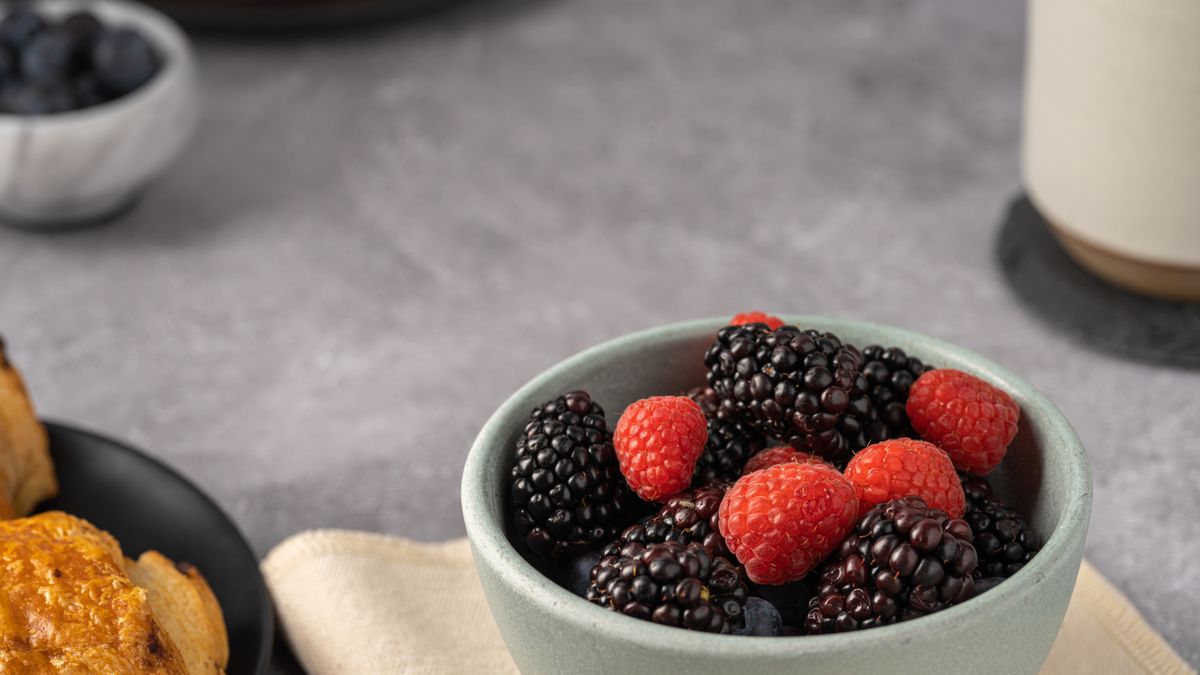
The simplest rule of thumb in dog nutrition applies here too: treats, and that includes every snack, shouldn't provide more than ten percent of daily calories. The rest has to come from the main food so nutrient intake stays on track. For a summer ice treat, that means the portion stays small.
The overview below gives a rough guide for a light yogurt berry ice. It doesn't replace calculating your dog's exact individual needs, but it does help you avoid the most common trap: portions that are far too large.
| Dog's weight | Approximate dog ice cream portion |
|---|---|
| up to 5 kg (11 lb, e.g. toy poodle) | about 1 tablespoon |
| 5 to 15 kg (11 to 33 lb) | 1 to 2 tablespoons |
| 15 to 30 kg (33 to 66 lb) | 2 to 4 tablespoons |
| over 30 kg (66 lb) | a small bowl, but not a full cup |
If you'd like to know how much your dog should eat in total each day, and what ten percent of that actually looks like, our guide on how much food your dog needs can help.
You'll still hear again and again that cold water or ice cubes can trigger dangerous bloat. This claim traces back to a chain email and has no veterinary basis. The actual risk factors for bloat are eating too fast, one large meal at once, exercise right after eating, and a predisposition in large, deep-chested breeds, not the temperature of the snack.
That said, there are two real risks with frozen treats, and neither has anything to do with the cold itself. Hard ice cubes can crack teeth, especially in dogs that chomp down hard on them instead of licking. A good rule of thumb: if your fingernail can't press a dent into the ice, it's too hard. And large frozen chunks can be swallowed whole or get stuck in the throat. You can avoid both by serving dog ice cream as a soft, lickable portion in a shallow mold or a Kong, and letting the ice thaw slightly first for sensitive dogs.
Not every dog tolerates every ingredient equally well, and some dogs need an adjusted version.
Go very sparingly, or skip entirely, on fatty ingredients like peanut butter or cream for overweight dogs and dogs with a history of pancreas issues, since fatty snacks can contribute to pancreatitis. Dogs with diabetes should avoid sugary fruit in their ice cream; the broth version is a better fit for them. Too much fruit at once can also cause diarrhea because of the fruit sugar and fiber, so it's smart to test a small portion the first time, especially. And for very young puppies, skip raw honey out of caution, even though dogs as a whole are considered fairly low-risk for the concern behind that advice.
The easiest way to make dog ice cream is in silicone molds, ice cube trays, or a Kong. For dogs with sensitive or already weakened teeth, as well as for seniors, slightly thawed ice works better than one frozen solid all the way through.
The same hygiene rules apply here as in any kitchen: work clean, use fresh ingredients, wash your hands. Freezing doesn't kill germs, it only stops them from growing. Stored airtight, homemade dog ice cream keeps in the freezer for several weeks. After that, quality starts to drop, especially with fresh fruit and dairy, though it won't necessarily spoil right away.
Homemade dog ice cream is one of those small summer rituals that come together fast and still bring a lot of joy. With a handful of safe ingredients, the right portion, and an eye on the xylitol trap in peanut butter, you've got everything that matters covered. The rest is just watching your dog lick the mold clean.
In the Souldog app, you can track which ingredients your dog tolerates well and which ones to avoid, and keep an eye on treat amounts so the ice cream stays an extra rather than quietly turning into a second meal. That way, the summer snack stays exactly what it's meant to be: a small, cool moment of joy.
 Souldog