Small, cheerful, and blessed with a silky coat that never stops growing: the Havanese is Cuba's charming Bichon. Behind that mop of fur, though, are real demands, from near daily grooming to a handful of health topics. Here's the honest overview.
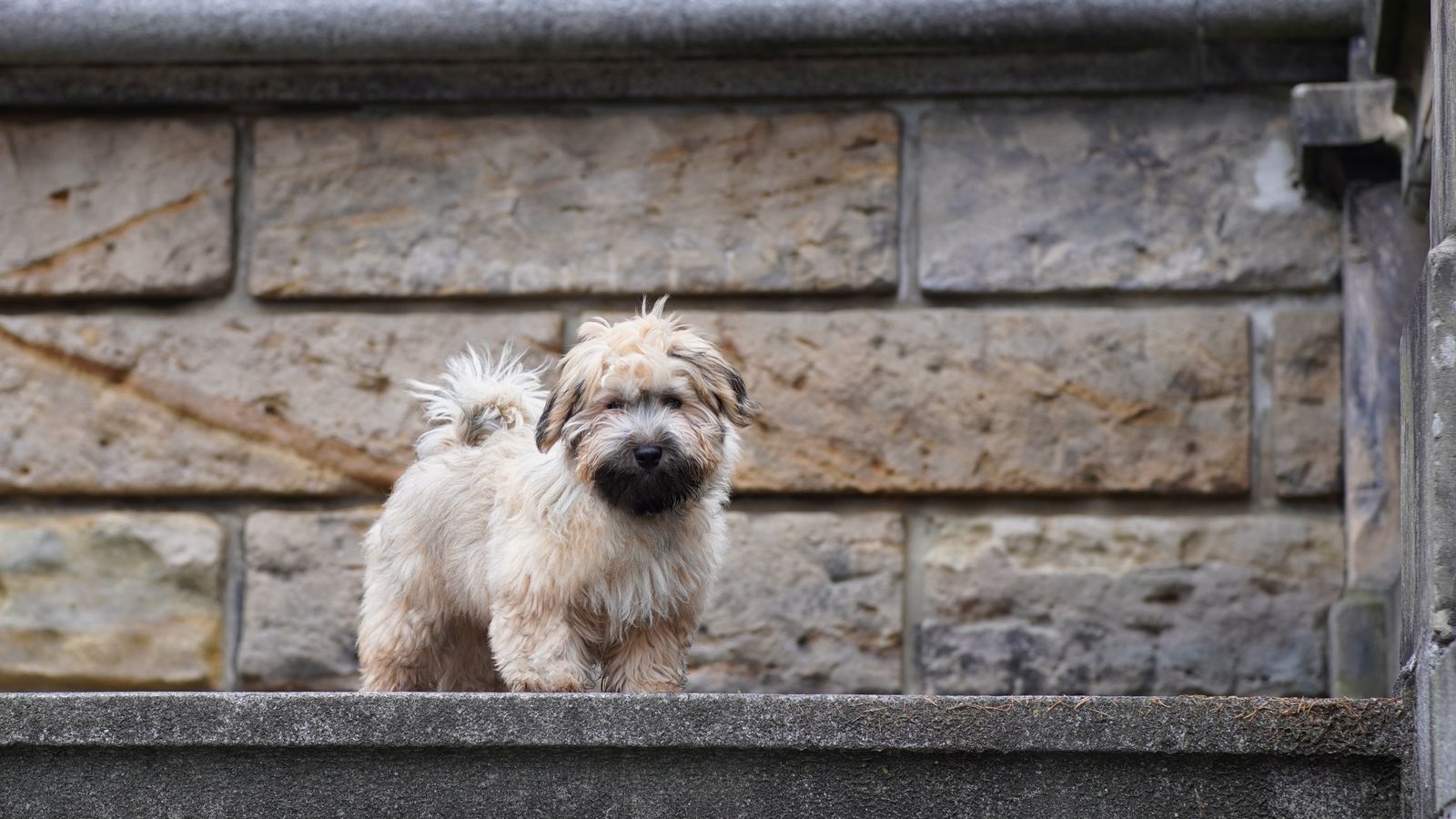
A small dog with a mop of fur who dances along beside you, stops at every corner, and lights up as if you'd just declared the best day of his life. That's roughly what life with a Havanese feels like. The only Cuban breed with its own official standard, the Havanese is a cheerful, affectionate companion who loves people and rarely wants to be far from them.
s charming as he is, the questions before bringing one home deserve honest answers: How much work does that coat really take? What health issues does he carry? And is it true that he's suitable for allergy sufferers? This guide answers all of that without the sales pitch. To see where the Havanese fits among his small, curly coated relatives, check out the broader overview of small curly haired dog breeds.
| Trait | Havanese |
|---|---|
| FCI classification | Group 9, Section 1 (Bichons and Related Breeds), Standard No. 250 |
| Origin | Cuba |
| Size | 23 to 27 cm (tolerance 21 to 29 cm) |
| Weight | about 3 to 6 kg (not fixed in the standard) |
| Coat | long, soft, wavy, little undercoat, sheds barely visibly |
| Temperament | affectionate, cheerful, playful, very people oriented |
| Life expectancy | about 14 to 16 years |
| Grooming needs | high, near daily brushing |
| Puppy price | roughly 1,800 to 3,000 euros from a reputable breeder |
The Havanese belongs to the Bichon family, that group of small, long haired companion dogs from around the Mediterranean that also includes the Maltese and the Bichon Frise. Exactly how the breed arrived in Cuba is usually told in a couple of quick sentences. The common version goes like this: early Bichons traveled to the island with sailors, where they gave rise to the now extinct Blanquito de la Habana, the little white dog of Havana, and in the 19th century Poodle crosses brought color variety into the coat.
This narrative comes mainly from breed clubs and should be taken with a grain of salt, because the official FCI standard itself never mentions the Blanquito at all. It simply describes the breed as having developed in the western Mediterranean and having been brought to Cuba early on by Italian ship captains. Here's a detail that almost always gets lost: the name is actually misleading. The standard explicitly states that the breed's common tobacco brown coat color, "habano" in Spanish, is what gave rise to the legend that the dog came from Havana. So the Havanese is named less after a city than after the color of a fine cigar.
You'll also often read that he's the national dog of Cuba. That's a lovely, culturally well established attribution, but there's no official state declaration behind it. It changes nothing about daily life with the dog, but an honest breed guide should say so.
The Havanese is small, but not a fragile little thing. The FCI standard lists a shoulder height of 23 to 27 cm, with a tolerance of 21 to 29 cm. The standard deliberately doesn't prescribe a weight; in practice, most Havanese fall somewhere between about 3 and 6 kg. So if a sales listing quotes a fixed number of kilos, that's a rule of thumb, not an official norm.
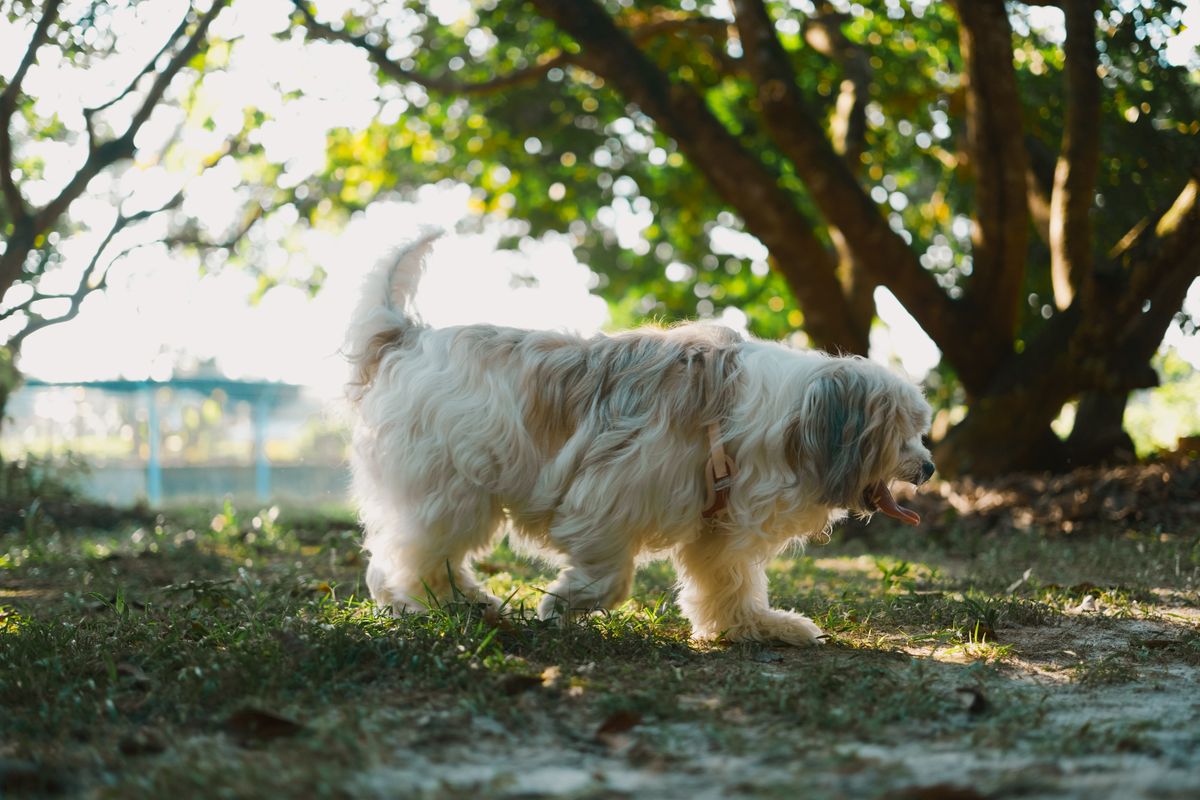
The signature feature is the coat. It's long, soft, and preferably wavy, a good 12 to 18 cm long on an adult dog, and the undercoat is only lightly developed or missing entirely. That leads to a trait many people find appealing: the Havanese has no seasonal shed where tufts of undercoat fly everywhere. Instead, his hair keeps growing continuously, much like human hair. That doesn't mean nothing falls out; loose hairs simply get caught in the rest of the coat instead of landing on the floor. This continuously growing hair type explains the high grooming effort we'll get to next.
When it comes to color, the Havanese is a varied breed. The FCI standard allows white, fawn shades of various depths, black, Havana brown, tobacco, and reddish brown, plus parti color patterns. The American AKC standard goes even further and simply permits all colors. A pure white Havanese is more the exception; most wear cream, brown, or multi colored tones.
Anyone who keeps a Havanese gets a dog who wants to be right in the middle of life. This breed follows its people from room to room, likes to lie close by, and wants in on everything. This type of dog is often affectionately called a "velcro dog." That makes him a wonderful companion for people who spend a lot of time with their dog, and less suitable for anyone who's away from home for many hours every day.
Despite his reputation as a lap dog, the Havanese is no couch cushion. He's alert, quick to learn, and genuinely enjoys mental work: tricks, small scent games, and dog sports all the way to dog dancing. His exercise needs are moderate: he doesn't need mountain marathons, but he does need daily walks and mental stimulation, or he'll find his own outlets. Many Havanese also love water.
Two traits belong here in the interest of honesty. First, he's an alert watchdog who barks at visitors or unfamiliar sounds. With early, friendly training that stays within reasonable limits, though the breed is rarely completely quiet. Second, he's so attached to his people that being alone for long stretches is hard for him. Separation distress isn't a fixed trait for him, though; it's a matter of training. The best approach is to practice being alone from puppyhood, in tiny steps:
You'll find a detailed guide to this in the article Leaving your dog home alone. For families with considerate children, the Havanese is a wonderful playmate; with very young children, as with all petite breeds, a small dog needs calm, mindful handling.
That beautiful coat is a job, not a coincidence. Because the hair grows continuously and no undercoat is shed, dead hairs get caught in the long coat and mat if it isn't brushed regularly. Brushing all the way down to the skin nearly every day is the rule, not the exception. Anyone who wants to maintain the full length should also plan on regular trips to a dog groomer. Many Havanese owners instead choose a practical short cut, often called a puppy cut or teddy cut, which turns the elegant long coat into a low maintenance fluff. To see what a brushing routine looks like day to day, check out the article on grooming curly coats in Poodles, Maltipoos, and more.
A second grooming issue is tear staining, the reddish brown streaks under the eyes that show up most on lighter colored dogs. These are usually a cosmetic issue, not a disease of the breed. Gentle, regular cleaning of the eye area with a soft, damp cloth keeps it in check. If tearing or redness suddenly increases noticeably, it should be checked by a vet, since inflammation or a blocked tear duct can also be behind it.
Shedding little is not the same as hypoallergenic. The Havanese is often marketed as a dog for allergy sufferers, but the most important dog allergen sits in saliva and skin flakes, not in the hair. Studies have found no lower allergen levels in supposedly hypoallergenic breeds. No dog has been proven hypoallergenic. Anyone prone to allergies should personally test the specific dog over an extended period, rather than relying on the label.
We'll keep this section plain and precise, because accuracy matters here. A pretty mop of fur says nothing about health; what matters is what's in the bloodline and whether the parents were tested.
The joints are the best documented issue. Patellar luxation, in which the kneecap slips out of its groove, and hip dysplasia are among the officially tracked hereditary concerns in the Havanese. That a small breed can have hip dysplasia surprises many people, but it's well documented. Both are a standard part of reputable breeding health checks. Then there's Legg Calve Perthes disease, a disruption of blood flow to the head of the femur that usually appears in the first year of life and shows up as lameness.
A second focus area is the eyes. Cataracts occur and are the reason responsible breeders have their dogs' eyes examined annually by a veterinary ophthalmologist. Cherry eye, a prolapse of the third eyelid gland, and distichiasis, misdirected eyelashes, are also documented. The retinal disease PRA is screened for in the Havanese too, but it isn't his main problem.
One issue deserves a clear explanation: chondrodysplasia, a growth disorder that produces shortened, bowed front legs. In the Dachshund or Corgi, short legs are the intended standard. In the Havanese, it's different. Here, chondrodysplasia is an unwanted finding that the breed club actively monitors and tries to breed out of the lines. Later in life, heart issues move to the forefront, chief among them mitral valve disease, usually as age related wear and less often as a congenital defect. A liver shunt, in which a misrouted blood vessel bypasses the liver, does occur but is considered fairly rare in the Havanese. As with all small breeds, teeth are also an ongoing concern, which is why dental care isn't a luxury.
Sounds like a lot? It's more manageable than it seems. Precisely because the Havanese has such a dedicated breeding community, these issues are well researched and systematically screened for. Reputable breeders can typically show an eye exam plus a patella and hip assessment for the parent dogs, supplemented with heart, thyroid, or genetic tests where it makes sense. For a general overview of preventive care and early warning signs, see the guide to dog health.
A Havanese puppy from a reputable breeder costs roughly 1,800 to 3,000 euros, with the range often landing between 2,200 and 2,800 euros. That's not price gouging; it reflects the cost of responsible breeding with health testing and good rearing. Noticeably cheap offers, well under about 1,200 euros, are almost always a warning sign. Also expect a waiting period, since good litters are rarely available right away.
The ongoing costs tend to be underestimated, and grooming is the big recurring expense here. This table offers a realistic guide, though it varies by region and by how much care you want to invest.
| Item | Rough cost |
|---|---|
| Puppy from a reputable breeder | one time 1,800 to 3,000 euros |
| Initial setup | one time 200 to 500 euros |
| Food | 30 to 50 euros per month |
| Dog groomer | 40 to 70 euros every 6 to 8 weeks |
| Veterinary checkups | from about 50 to 60 euros per year |
| Health or surgery insurance | 30 to 60 euros per month |
| Dog tax and liability insurance | together about 100 to 230 euros per year |
All told, you should plan on ongoing costs of roughly 100 to 250 euros a month, not counting expensive one off treatments. Financially, the Havanese isn't a cheap dog to keep, mainly because of the regular grooming.
"Teacup" isn't a standard, it's deliberate dwarfing. No official breed standard recognizes the term. Artificially undersized dogs carry a higher risk of serious problems such as hydrocephalus, low blood sugar, and fragile bones. A particularly tiny photo isn't worth a suffering dog.
Because the Havanese is popular, disreputable sellers and illegal puppy trafficking operate alongside good breeders. This checklist helps you tell them apart:

A good breeder passes these questions with ease. And here's a point that often gets overlooked: a purebred dog isn't automatically healthy just because he matches the standard, since the standard governs appearance and temperament, not health. A dog becomes healthy through tested parent dogs.
Not every Havanese has to come from a breeder. Havanese and Havanese mixes regularly end up in shelters or breed specific rescue, often due to a move, a breakup, or a previous owner being overwhelmed. An adult dog has the advantage that temperament and size are already established. In the Souldog app, alongside breeder topics, you'll also find connected shelters if you'd like to keep that option open.
The Havanese is a good choice if you want a small, cheerful companion, plan to spend a lot of time with him, and are willing to invest in grooming. He fits well in an apartment, works fine for first time dog owners, and loves being part of daily life. He's less of a fit if you're away from home often and for long stretches, have little time or budget for grooming, or are looking for a rugged outdoor dog for rough adventures.
Many people are torn between the small Bichon relatives. This overview gives a rough sense of the most common candidates, but it doesn't replace meeting the dogs in person:
| Breed | Size | Grooming | Typical vibe |
|---|---|---|---|
| Havanese | 23 to 27 cm | high, near daily | cheerful, playful, very affectionate |
| Maltese | 20 to 25 cm | high, daily | petite, elegant, pure white |
| Bichon Frise | 25 to 29 cm | high, groomer needed | lively, cuddly, curly |
| Bolonka Zwetna | 20 to 26 cm | moderate to high | sturdier build, colorful, calmly affectionate |
If you're unsure about the coat question, the overview of small dogs that shed little can help. If you prefer the elegant classic, you'll find the matching profile at Maltese, and if you're after a slightly sturdier, more colorful small dog, Bolonka Zwetna is where to look.
The Havanese is popular for good reason: cheerful, loyal, apartment friendly, full of personality, and pleasantly long lived. But he isn't a low maintenance dog you can fit in around the edges of your life; he's a companion with clear demands on your time, closeness, and coat care. Anyone who can offer that gets one of the most charming small dogs around. For a quick, at a glance summary of the key facts, take a look at our Havanese breed profile.
If a Havanese moves in with you, Souldog helps you stay organized: in the app you can set up his profile, schedule upcoming grooming and checkup appointments, log his weight and small health observations, and keep everything important within reach. Taking care of the cheerful fluffball by your side is something he handles all on his own.
 Souldog