🦮 Large · United Kingdom / Newfoundland
A friendly, highly trainable family dog with substantial exercise needs — one of the most popular breeds for first-time owners, though prone to weight gain.
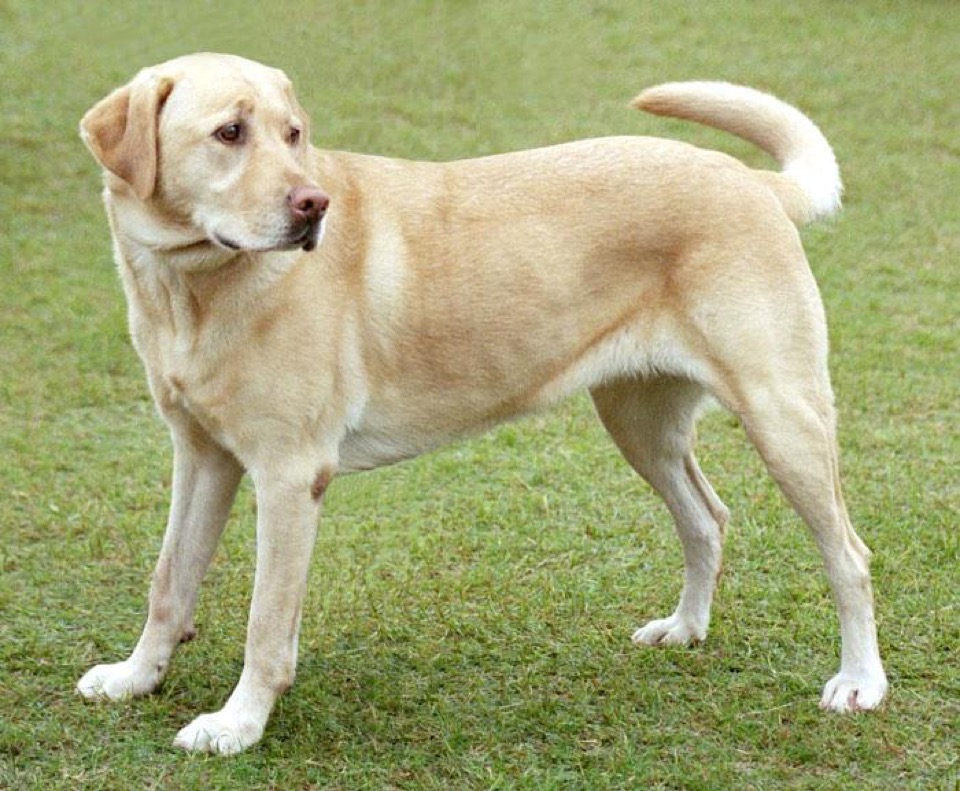
The Labrador is even-tempered, people-oriented, and exceptionally quick to learn. He is virtually never aggressive, gets along with almost everyone, and works equally well as a family companion, assistance dog, or hunting retriever. His strong will to please makes him easy to train, and his playful nature often persists well into old age.
A Labrador needs one to two hours of exercise daily plus mental stimulation. Retrieving, scent work, and swimming come naturally to the breed. Left underoccupied, he tends to entertain himself — usually via his nose and his stomach. Young Labradors should be exercised gently on the joints until growth is complete.
The short, dense double coat is low-maintenance but sheds year-round, heavily so during seasonal coat changes. Brushing once or twice a week is usually sufficient. Because of the oily topcoat and water-resistant undercoat, bathing shouldn't be too frequent.
The Labrador is a classic beginner's dog: good-natured, forgiving of mistakes, and easy to motivate. What matters most is consistent, positive training and — the biggest beginner mistake — strict portion control, since he has almost no sense of satiety.
Breed-typical conditions include hip and elbow dysplasia (HD/ED), inherited eye disease (PRA), and a genetic tendency toward obesity, which places additional strain on joints and heart. Genetic testing of the parents and breeding from HD/ED-screened lines significantly lowers the risk.
← Back to the full dog-breed overview (281 breeds)
This information is for general guidance and does not replace veterinary or breeder advice. Temperament and health vary individually within every breed.
 Souldog