🦮 Large · Russia (Siberia)
An enduring, freedom-loving sled dog with very high exercise needs and a strong tendency to roam, requiring a securely fenced yard and experienced handling.
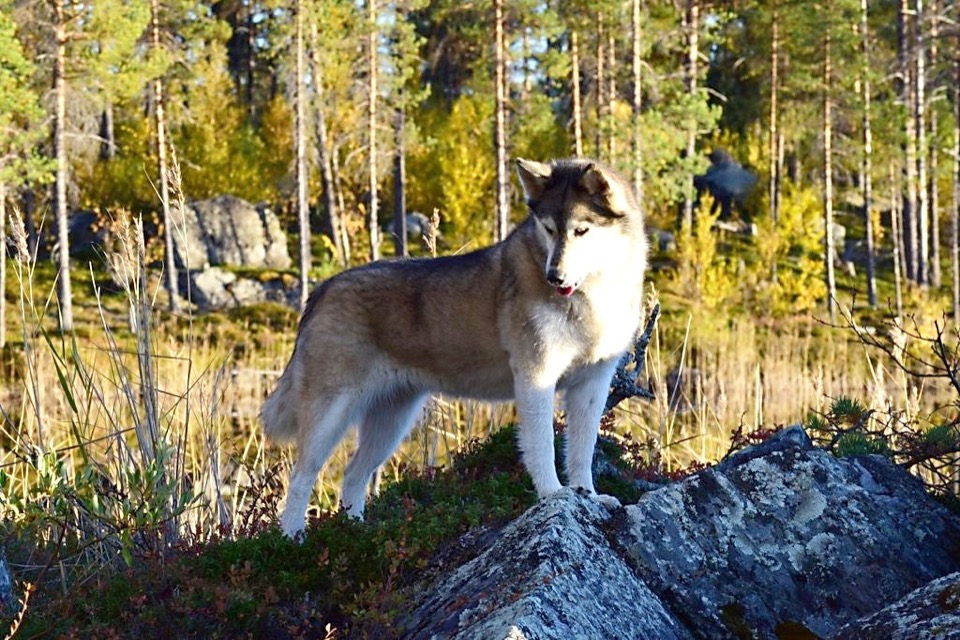
The Siberian Husky is friendly, sociable, and rarely aggressive toward people, yet independent and not naturally inclined toward classic obedience. Its pronounced prey and roaming drive makes it a challenge around small pets and without a fence.
This breed needs a great deal of exercise, ideally through pulling sports such as canicross, bikejoring, or sled training. Plain walks are usually not enough to meet its needs.
The dense double coat sheds heavily twice a year and needs daily brushing during that period, otherwise weekly brushing suffices. Trimming or shaving is not advisable for this breed, since the coat provides insulation.
The strong urge to roam, independence, and enormous exercise needs overwhelm most first-time owners. Without a secure fence and plenty of time for exercise, keeping this breed is risky and often unsatisfying for both dog and owner.
Breed-typical conditions include hip dysplasia (HD), progressive retinal atrophy (PRA), and juvenile cataracts and corneal dystrophy. Regular eye exams by breeder and vet are recommended.
← Back to the full dog-breed overview (281 breeds)
This information is for general guidance and does not replace veterinary or breeder advice. Temperament and health vary individually within every breed.
 Souldog