What happens between two groomer visits decides how well groomed Poodles, Maltipoos, Cavapoos and other curly-coated dogs really are. Coat, ears, eyes and paws with a routine that stays realistic.
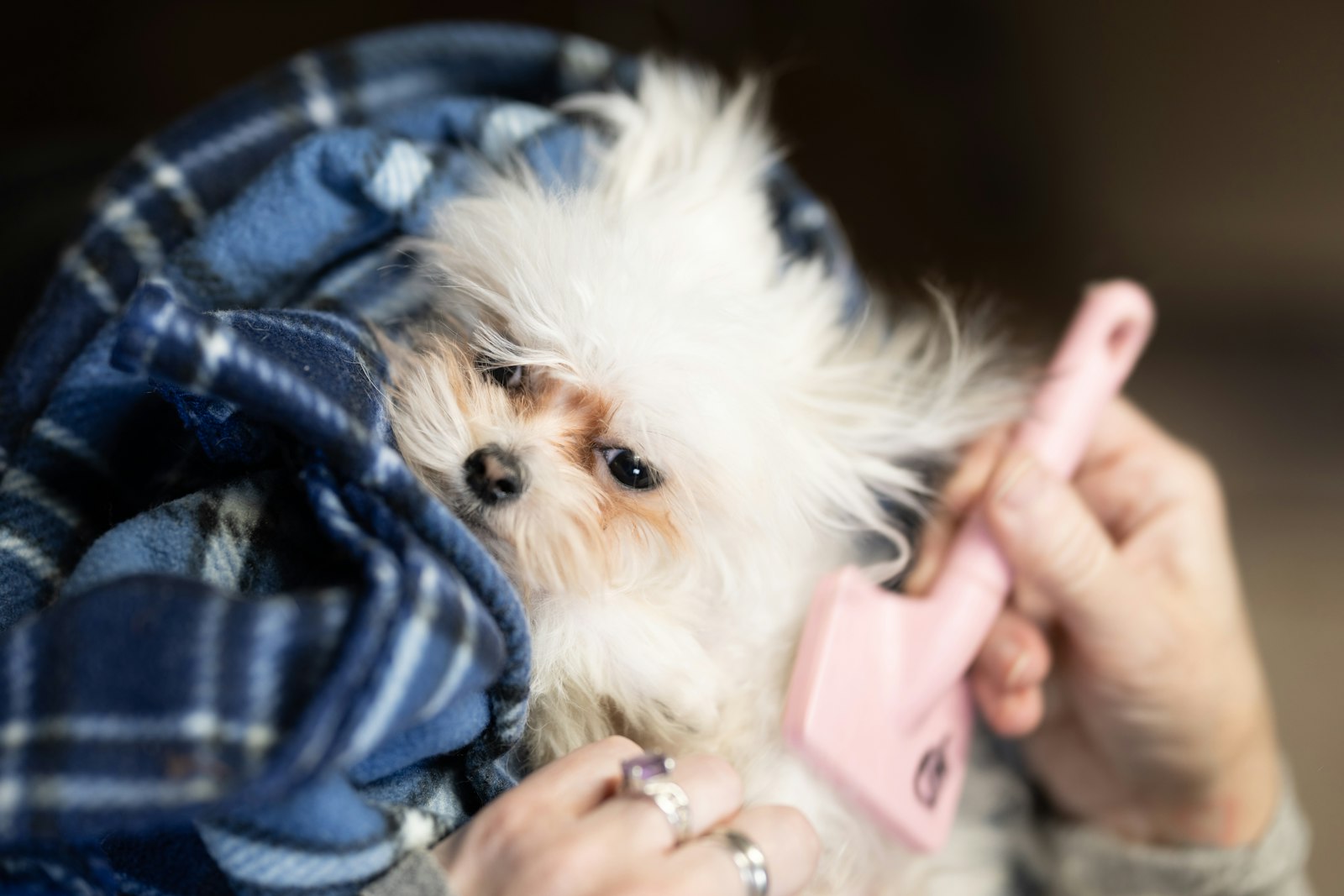
t's been three weeks since the last groomer appointment, your dog still looks tidy, and you're fairly pleased with yourself. Then you run the brush down her back, and it snags. Right in the middle of the coat, like it caught on an invisible branch. You pull gently, your dog flinches, and it dawns on you: this is more than a slightly messy hairstyle.
Welcome to the gap between two appointments. That's where good coat care is actually decided, and it's exactly the gap most guides skip. Curls are photogenic, but they don't forgive much. That goes for Poodles just as much as Maltipoos, Cavapoos, Cockapoos, and other small curly-coated dogs: anyone with one at home knows this by the second tangle behind the ear. The good news: the routine that really matters between appointments is manageable. It doesn't need expensive equipment, just a few regular minutes and the right technique.
Poodle coat, and most doodle coats, grow continuously, more like human hair, instead of shedding seasonally the way most other dog breeds do. Maltipoos, Cavapoos, Cockapoos, and similar mixes often inherit this coat from their Poodle parent, though how strongly varies from dog to dog. With this coat type, dead hairs usually don't fall out, they stay caught in the curls and tangle with the hair growing in behind them. That's why curly coats mat faster than coats with a classic shedding cycle. And that's why one appointment every few weeks isn't enough on its own.
That's also why owners of Poodles, Maltipoos, or Cavapoos are often surprised at how quickly small knots form between appointments, even though the last cut wasn't that long ago. Usually it isn't down to bad work at the groomer. It's simply that the coat needs thinking about in between too: as a fixed part of the routine, not an annoying extra. How much bigger this effect gets with Goldendoodles and other large relatives, and what it costs per year, is something we break down honestly in our guide to doodle grooming.
Most matting problems don't come from neglect. They come from small, well-meaning habits. These five show up again and again, whether you have a Poodle, a Maltipoo, or another curly-coated dog.
| Habit | Why it becomes a problem |
|---|---|
| Waiting too long between appointments | New hair tangles with old hair, turning loose coat into skin-level mats |
| Brushing only the top layer, not down to the skin | Mats form closer to the skin than a surface brush ever reaches |
| Not drying completely after a bath | Trapped moisture encourages matting and a damp environment for skin irritation |
| Ignoring small tangles | A loose knot turns into a dense mat within days, blocking airflow to the skin |
| Only introducing grooming once it's already uncomfortable | Without a lead-in, your dog links brushing with stress instead of routine |
None of these on its own is dramatic. Together, though, they explain why a dog who "looks groomed" can be matted again within days.
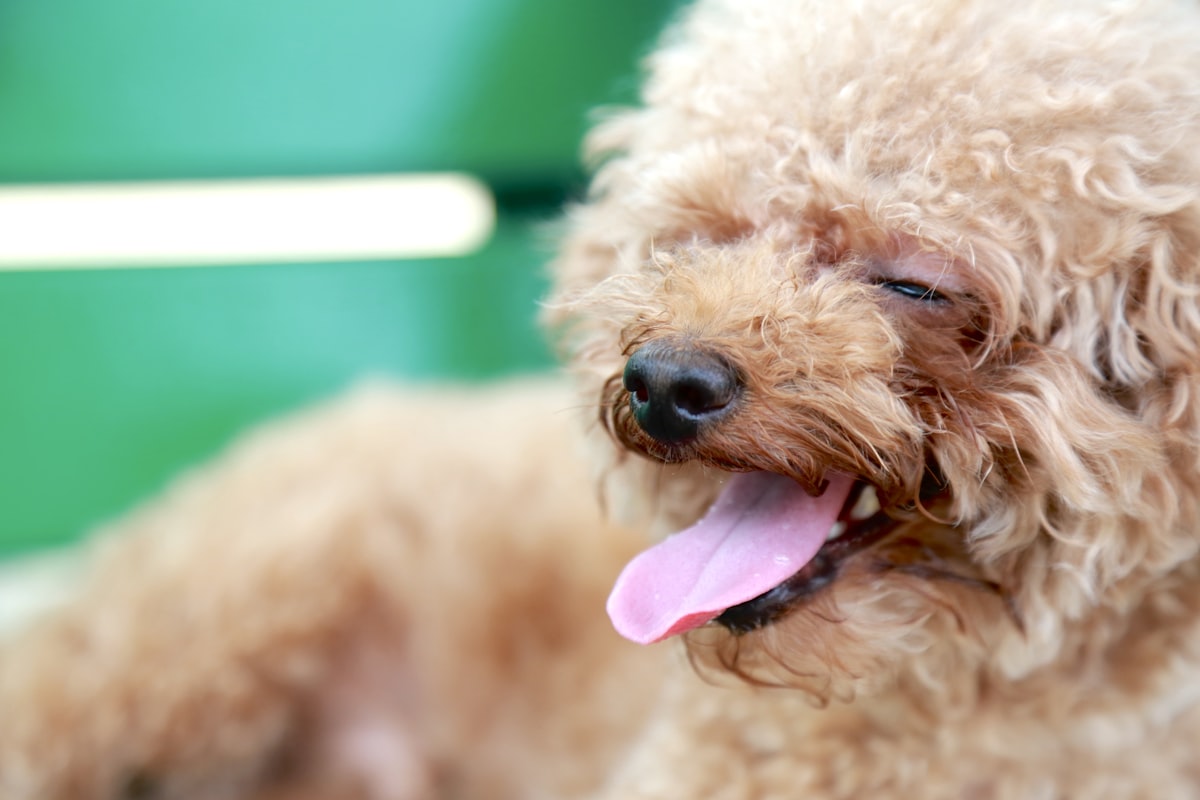
Check small sections rather than only smoothing the surface. Work gently in the direction of hair growth without scraping the skin or pulling it along with the hair. Stop if your dog shows discomfort. It takes longer at first, but it becomes routine quickly with practice, whether you're working with a Toy Poodle, a Maltipoo, or a Cavapoo.
Pay special attention to the trouble spots: behind the ears, in the armpits, on the inside of the legs, and around the collar. That's where fur rubs against fur or against a harness, and it's where most mats start first. A metal comb afterward helps check whether the brush really got everywhere. If it snags, stop rather than pulling through. Firm or skin-level mats need professional assessment; do not cut them out with scissors.
VCA recommends daily brushing for long or curly coats. Agree haircut and paw-hair maintenance intervals with your groomer based on your dog’s actual coat and care needs. Have existing matting assessed before bathing; a bath can make tangles harder to remove.
Ear hair does not automatically need removing because your dog is a Poodle or a mix. Merck advises consulting your veterinarian before trimming or plucking it; the decision depends on the individual ear. Do not insert scissors, tweezers or cotton buds into the ear canal. Redness, pain, odor, discharge or repeated head shaking need a veterinary check.
Tear stains, the reddish-brown discoloration under the eyes that shows up most on light coats, are usually harmless and happen because tear fluid runs over the eyelid rim instead of draining through the actual tear duct. As long as there's no redness, discharge, or squinting, gentle regular cleaning is enough. If the staining appears suddenly or gets noticeably worse, that belongs in front of a vet, not a mirror.
For nails, a simple rule beats guesswork: standing on a hard floor, your dog's nails shouldn't touch the ground or click audibly. If you hear clicking when they walk, it's time to trim, since overly long nails can become uncomfortable over time and affect how your dog stands and moves.
A dog who's known brushing and handling since puppyhood makes every later appointment easier for you. But even with an adult dog, there's still plenty of room to improve.
Short sessions work more reliably than one long one where both of you eventually run out of patience. A calm, consistent spot and a similar order of steps give your dog something to orient around, since they're more likely to know what's coming next. Build in pauses on purpose and watch whether your dog relaxes or tenses up, instead of pushing straight through. Rewarding during and after handling is what separates a dog who cooperates from one who just tolerates it. And maybe the most important point: not everything has to happen in one day. Ears today, paws tomorrow, that's perfectly fine.
Some signs move past everyday maintenance and belong in professional hands. Dense mats that won't comb out belong with a groomer, before you reach for scissors yourself. Skin redness, an unusual smell, or recurring ear trouble like head shaking and scratching belong with a vet. The same goes for a dog who suddenly won't let you touch a spot they used to tolerate. That's often a pain signal, not stubbornness. And if nails are already clicking regularly or clearly too long, it's time for an appointment before pressure sores develop.
So you don't have to work it out from scratch every time, here are the rules of thumb from this article in one place.
| Area | Rhythm |
|---|---|
| Gentle brushing and checking for tangles | daily for long or curly coats |
| Groomer appointment (Poodle, Maltipoo, Cavapoo & similar curly breeds) | agree an interval based on coat length and condition |
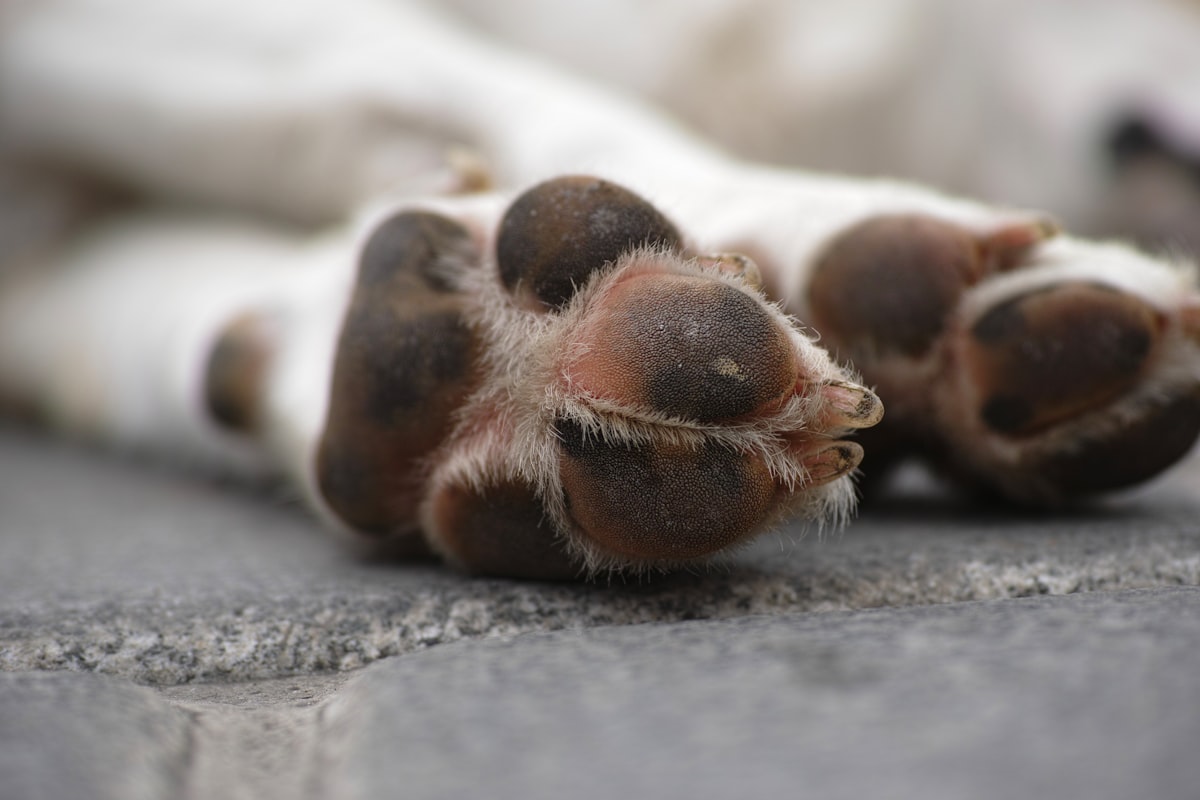
| Trimming paw hair | assess the individual need with your groomer |
| Checking ears (smell, redness, head shaking) | quick check at every brushing session |
| Trimming nails | as soon as they click audibly on hard floors |
Good coat care doesn't have to be elaborate. It has to be regular, gentle, and realistic, matched to what your everyday life allows, not to a glossy photo from a groomer appointment. Whether it's a Poodle, a Maltipoo, a Cavapoo, or another curly-coated dog, small repeated routines count for more than perfect products. If you're still deciding between a Poodle, a Maltipoo, or another breed entirely, our dog breed directory is a good place to browse, and the dog breed quiz can point you toward a match. That's what the Souldog app has a place for: keeping grooming routines, appointments, and recurring observations about your dog together, instead of scattered across five different note apps.
 Souldog