🐕 Medium · England
The Harrier is a compact English scenthound originally used in packs for hare hunting on horseback.
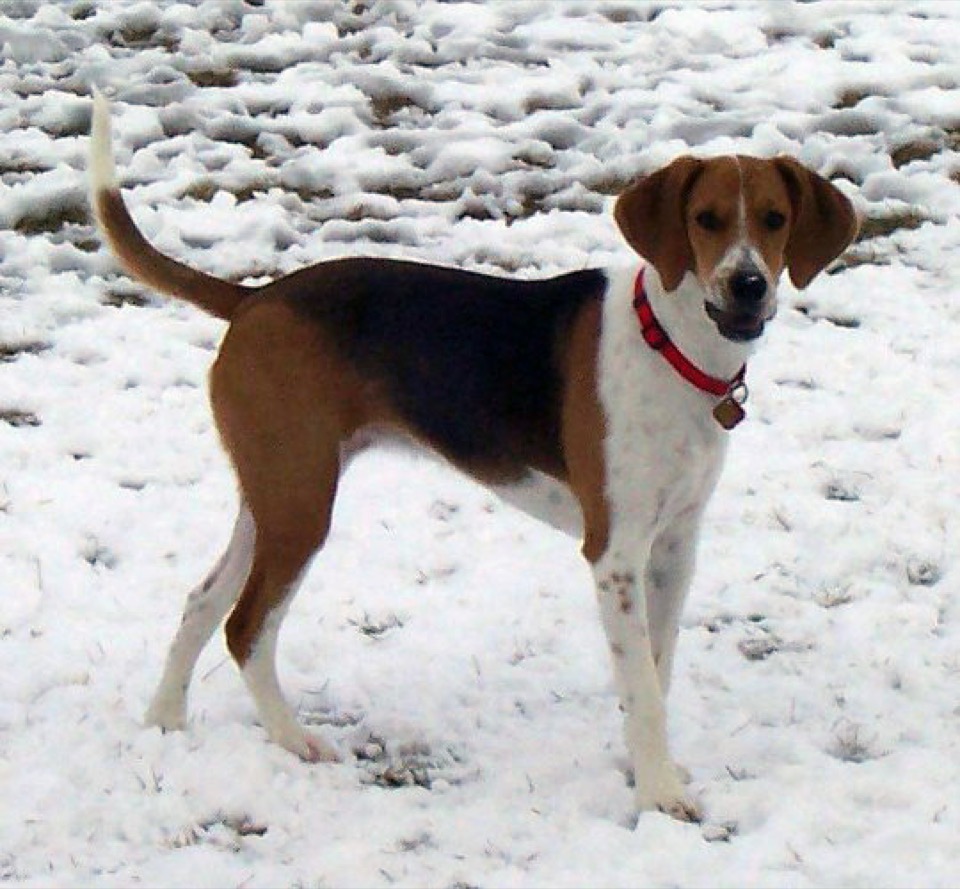
Harriers are friendly, sociable, and usually get along well with other dogs, since they were traditionally kept in packs. They show a pronounced hunting and trailing instinct and follow scents tirelessly over long distances. They are typically easygoing and not very wary of strangers.
The breed needs a great deal of exercise, ideally several hours daily, since it was bred for stamina as a scenthound. Without adequate outlets, the Harrier tends toward loud barking and escape attempts in pursuit of a scent. Long-line work, tracking, or jogging suit its exercise drive well.
The short, dense coat is low-maintenance and needs only occasional brushing. The pendant ears should be checked regularly for cleanliness. Otherwise, grooming demands are low.
The enormous exercise needs and strong hunting drive make the Harrier a breed for active owners with a secure property or plenty of time for long outings. It is not well suited to a city apartment without room to run.
The Harrier is considered a robust, healthy breed with few breed-typical conditions; hip dysplasia occurs occasionally. Regular exercise generally keeps the breed fit well into old age.
← Back to the full dog-breed overview (281 breeds)
This information is for general guidance and does not replace veterinary or breeder advice. Temperament and health vary individually within every breed.
 Souldog