🦮 Large · Germany
A versatile, loyal working and family dog with strong bonding and trainability - needs activity and consistent training.
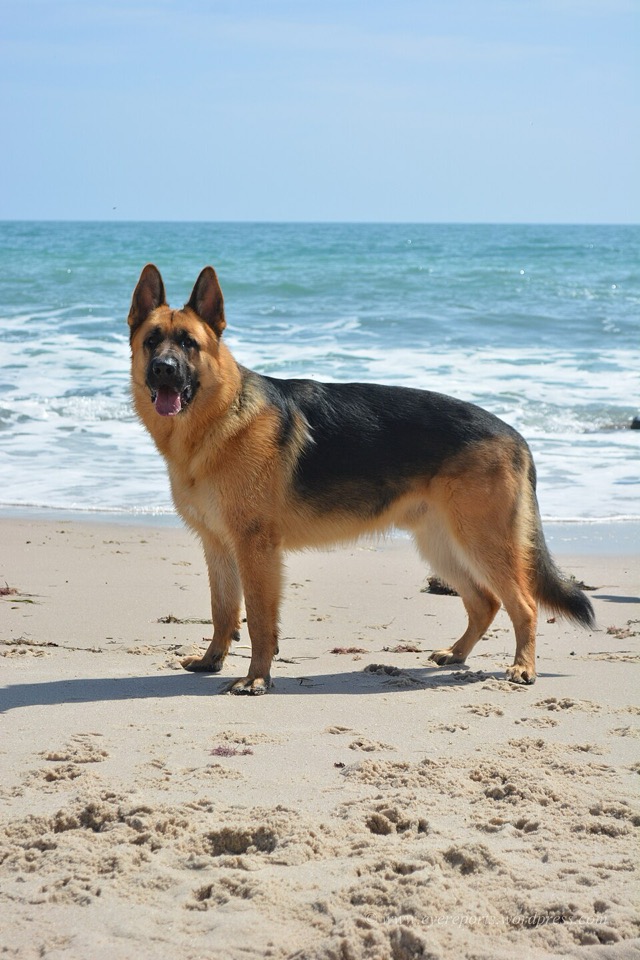
The German Shepherd is confident, steady-nerved, and highly trainable. It bonds strongly with its family, is watchful and protective, yet socializes well. This combination makes it the world's most widely used working dog.
It needs plenty of exercise and a real job to do - tracking, obedience, protection work, or dog sports. Without physical and mental stimulation it tends toward nervousness and behavioral problems. Young dogs should be exercised gently on the joints because of their long growth period.
The dense double coat (a long-coated variety also exists) sheds year-round and heavily during coat change. Regular brushing, daily during shedding season, keeps hair loss in check.
Only conditionally suitable for beginners: the German Shepherd is eager to learn and loyal, but large, powerful, and demanding of time. It needs early, consistent training, clear leadership, and activity - a dog for committed owners rather than casual ones.
Breed-typical conditions include hip/elbow dysplasia, transitional vertebrae, and in some show lines a steeply sloping topline with movement problems. Degenerative myelopathy (DM, a genetic test is available) and a predisposition to gastric torsion also occur. Breeding selection from health-tested, straight-backed lines is important.
← Back to the full dog-breed overview (281 breeds)
This information is for general guidance and does not replace veterinary or breeder advice. Temperament and health vary individually within every breed.
 Souldog