Yesterday the spot on her neck was still small. Today it is the size of your palm, oozing, and your dog won't let anyone near it. A hot spot spreads fast, and the real cause is usually somewhere else. Here is what helps now, which home remedies cause harm, and when to see the vet.

In the morning it was just a small damp spot on her neck, barely worth mentioning. By the afternoon it had turned into a palm-sized, red, oozing wound, and your dog growls the moment you even look at it. Welcome to one of the most unpleasant and fastest-growing summer problems: the hot spot. Few skin conditions spread as quickly as this one.
he tricky part is that the hot spot itself is only the tip of the iceberg. It is a symptom, not a condition on its own. If you only treat the oozing sore and miss the real cause, it will come back soon. That is exactly what this guide is about: treating the spot properly and finding the root cause behind it.
A hot spot is an acute, oozing skin inflammation caused by licking, scratching, and biting that can spread within hours. It is always the result of another trigger, such as fleas, allergies, an ear infection, or fur that stays wet after a swim.
The fur over the spot has to come off so the skin can dry, and the wound is cleaned with an antiseptic. Greasy creams and home remedies often do harm because they trap the moisture in; tea tree oil is even toxic to dogs. If the spot spreads quickly, your dog has a fever, or there are several spots, see the vet.
Behind the many names lies the same problem. Hot spot, pyotraumatic dermatitis, acute moist dermatitis, or in everyday language, a weeping eczema: all of these describe the same sudden skin inflammation. It happens when a dog licks, scratches, and bites one spot for so long that the skin barrier breaks down and bacteria, usually Staphylococcus, multiply on the surface.
What makes a hot spot so unpleasant is its speed. A small red patch can turn into a large, oozing wound within a few hours. The skin is red, warm, often moist with pus, and foul-smelling, usually sharply bordered and hairless, and frequently hidden under matted fur. If the cycle of irritation and scratching continues, the surface inflammation can eat its way into deeper layers of skin.
It is no coincidence that hot spots show up more often on warm, humid days. Warmth, moisture, and a dense undercoat that dries slowly are the perfect combination for bacterial growth on the skin. On top of that, summer brings more flea activity and a lot more bathing and swimming.
A dog who dozes in the sun with wet fur after a trip to the lake dries very slowly at the skin underneath a thick coat. That warm, damp environment is often exactly where the irritation starts. That is why drying your dog thoroughly after a swim is one of the most effective ways to prevent it, more on that below. For everything you need to know about swimming safely with your dog, see our guide to swimming with your dog at lakes and the sea.
This is the single most important idea in this whole guide: a hot spot is never the actual problem, only the visible result of one. Something started itching or hurting somewhere, the dog worked at that spot, and the oozing sore followed. The chain of cause and effect usually looks like this: a trigger sets off licking and scratching, that creates the hot spot, and if the trigger stays, the next one follows.
The most common triggers are:
That is why treating the wound alone is not enough. If your dog keeps getting hot spots, an untreated underlying cause is almost always behind it, often an ear infection or a parasite. Since the ears are such a common starting point, our guide on itchy ears in dogs can help you dig deeper.
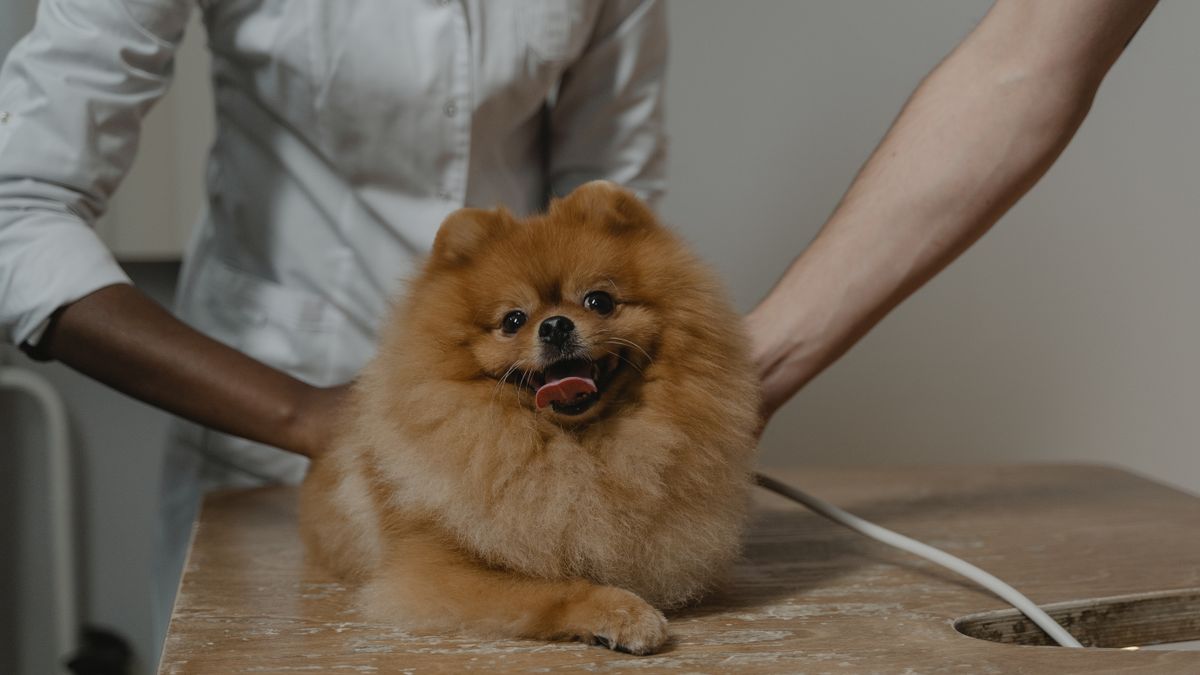
Dogs with a thick coat and dense undercoat are especially prone, since their skin gets poor airflow and dries slowly after getting wet. The veterinary literature keeps naming the same breeds: Golden Retrievers and Labradors, Newfoundlands, Saint Bernards, German Shepherds, and Rottweilers. Collies are on the list too.
Studies also show that younger, male dogs are affected somewhat more often, and that warm, humid weather along with frequent swimming raises the risk. If your dog fits this profile, it is worth paying extra attention to their coat and skin during the summer.
Greasy or occlusive creams trap moisture inside an oozing hot spot and slow down healing. Tea tree oil is toxic to dogs; even small amounts of the concentrated oil can cause tremors, weakness, and loss of coordination. Also avoid human wound and cortisone ointments used without guidance, home remedies like toothpaste, and human aloe products with added fragrance or other additives. All of these can irritate the skin or cause harm if licked. And do not let your dog keep working at the spot; an Elizabethan collar stops the cycle of licking and scratching.
The urge to quickly smear on something soothing is understandable, but it is exactly the wrong move. A hot spot is oozing, and anything that traps that moisture makes things worse. Occlusive creams form a lid over the warm, damp wound, and bacteria thrive even more comfortably underneath it. Even well-meaning cortisone ointments can encourage bacterial growth when used without a proper diagnosis.
The most important first treatment step sounds unremarkable, but it is essential: the fur around the spot is generously clipped away. There are three good reasons for this. First, oozing skin can only dry out when it is exposed to air, and dry skin heals. Second, the true extent of the damage is often hidden under matted fur; only once it is exposed can you see how far the inflammation reaches. Third, antiseptic solutions and medication only reach the skin when no fur is in the way.
It is best to leave the clipping to your vet's office or do it yourself with electric clippers. Household scissors are not a good idea, since the painful, often twitchy spot carries a high risk of injury.
Many people avoid the vet visit because they do not know what to expect. The process is straightforward and takes the fear out of it:
Bald, red, sometimes crusty patches of skin can have different causes that look similar from the outside. The table below helps with a first assessment, but it does not replace a vet's diagnosis, since telling them apart determines the right treatment.
| Condition | Typical Pattern |
|---|---|
| Hot spot | Sudden onset, oozing, sharply defined, fast-growing, usually one spot |
| Superficial pyoderma | Pustules, small crusts, often a larger area, less sudden |
| Mange (mites) | Intense itching, crusts, often at ear edges and elbows, contagious |
| Ringworm | Round, bald patches, usually little itching, contagious |
The key practical difference: a hot spot itself is not contagious, since it is a bacterial irritation caused by self-trauma. But if the underlying cause is a contagious condition like mange or ringworm, that condition can very well spread to other dogs, and in some cases to people. This is another reason why finding the underlying cause matters.
For a very small, superficial spot that is not spreading, you can carefully clip the fur and clean it with a mild antiseptic solution as first aid. That does not replace finding the underlying cause, though. Your dog needs to see the vet if the spot spreads quickly, the lesion is deep or getting worse, there is fever or significant pain, several spots appear at once, or the wound sits on the face or at the base of an ear.
For context: veterinary professionals distinguish between superficial and deep infections. A classic, superficial hot spot usually heals within seven to fourteen days with proper treatment, often without any systemic antibiotics at all. Deeper infections, on the other hand, take longer and need more intensive treatment. So the rule of thumb is simple: when in doubt, it is better to visit the vet a little too early than too late.
Because a hot spot always has an underlying cause, the best prevention is keeping those causes in check. Consistent flea prevention, a well-groomed, mat-free coat, and keeping an eye on your dog's ears and allergies take away the problem's foundation.
The most effective summer strategy is keeping your dog dry. Towel-dry your dog thoroughly after bathing, swimming, or a walk in the rain, especially in the densely furred areas where skin otherwise stays damp for a long time. For dogs with a thick undercoat, regular brushing helps air reach the skin. That way, the warm, damp breeding ground where a hot spot loves to start never gets the chance to form.
A hot spot looks dramatic, and that is fair enough, since it grows fast and deserves to be taken seriously. The key is doing two things at once: letting the oozing spot heal dry, clean, and undisturbed, and finding the cause behind it so the whole thing does not start over on the next warm day. When in doubt, a vet visit is never a mistake, especially since telling it apart from mange or ringworm is not something you can do with the naked eye.
In the Souldog app, you can log when and where a hot spot showed up and what triggered it. For dogs who keep getting them, this history helps you and your vet spot the pattern behind it and target the real root cause.
 Souldog