The bowl is still nearly full by evening, and it's thirty degrees Celsius outside, so you start to wonder if that's still normal. Here's how much water your dog really needs, how two simple tests can reveal dehydration, and when a picky drinker becomes a case for the vet.
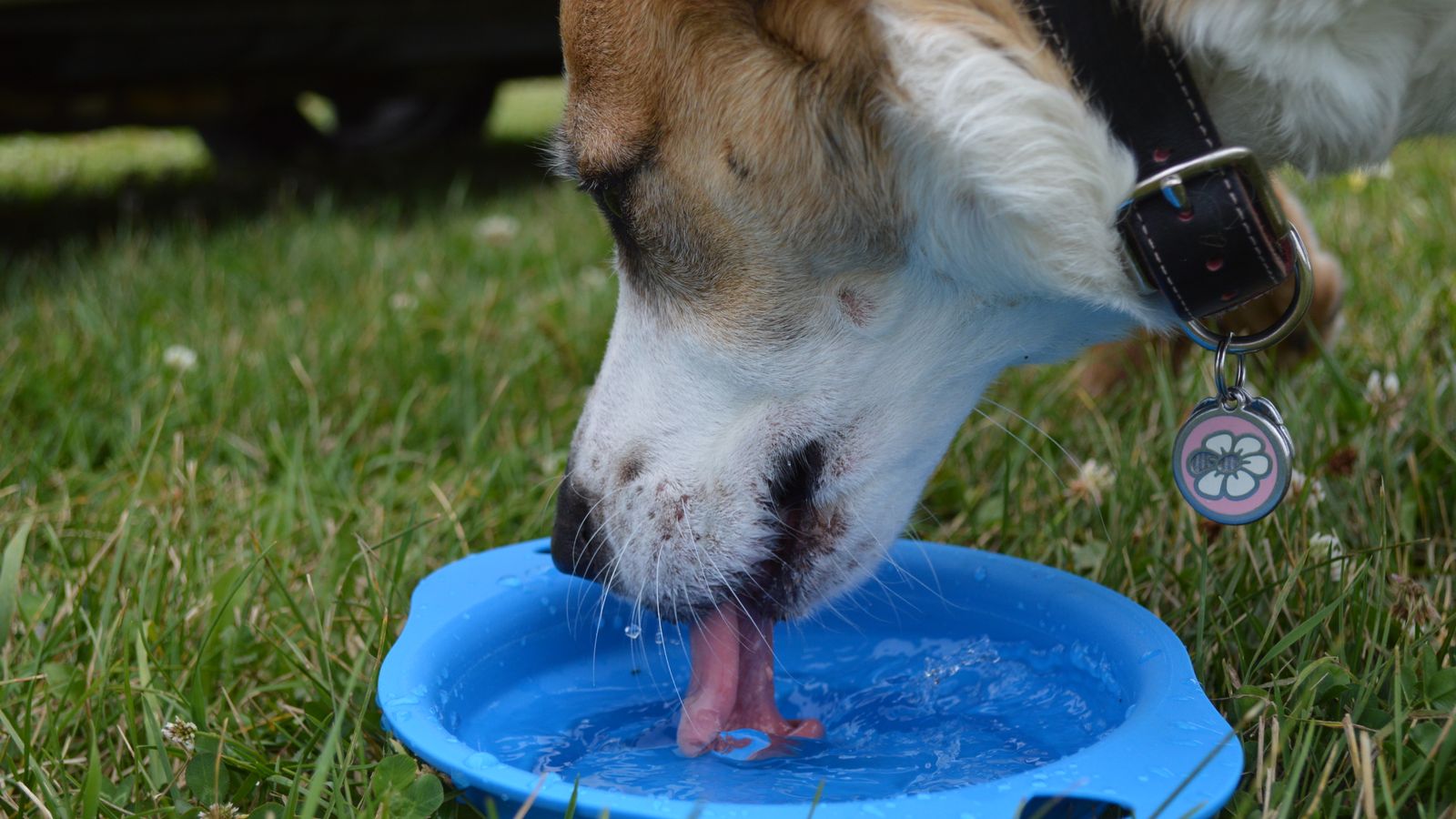
The water bowl looks almost as full at night as it did in the morning, and the thermometer outside reads thirty degrees Celsius. As a dog owner, that's enough to make you pause. Is he not drinking enough? Is he overlooking the bowl? Or is this all still completely normal? The worry makes sense, since fluids are a serious topic, especially in summer. Luckily, the answer is often more harmless than you'd fear, but it comes with a few important exceptions you should know.
his guide walks you through how much water your dog really needs, how a few quick checks reveal whether he's dehydrated, and how to tell when an empty bowl means more than just a picky drinker.
Healthy dogs typically drink about 50 to 60 milliliters of water per kilogram of body weight per day. Dogs that eat a lot of wet food already get much of that from their meals and visibly drink less, which is normal. Water needs rise in the heat.
To check whether your dog is dehydrated, look at his skin fold, gums, and behavior. If an otherwise healthy dog drinks nothing at all for more than about a day, or vomiting, diarrhea, or lethargy show up alongside it, he needs to see the vet. And take note: drinking noticeably too much is often the more serious warning sign than drinking too little.
The rules of thumb floating around range anywhere from 40 to 100 milliliters per kilogram, which confuses more than it helps. A tighter, more reliable range is this: a healthy dog typically needs about 50 to 60 milliliters per kilogram per day, depending on diet, activity, and temperature. A 10-kilogram dog lands at roughly half a liter to three-quarters of a liter a day.
What matters most is that a large share of that fluid can already come from the food. Dry food contains only about six to ten percent water, while wet food contains seventy to eighty-five percent. A dog that mostly eats wet food already covers a significant part of his fluid needs through his meals and therefore visibly drinks less from the bowl. That's nothing to worry about.
| Weight | Total daily guideline | From the bowl on wet food |
|---|---|---|
| 5 kg | about 250 to 300 ml | often noticeably less |
| 10 kg | about 500 to 600 ml | often less than half |
| 20 kg | about 1.0 to 1.2 l | noticeably less |
| 30 kg | about 1.5 to 1.8 l | noticeably less |
In heat, with a fever, or during intense activity, the need rises further, often by another fifteen to twenty milliliters per kilogram. Nursing mothers also need considerably more. These numbers are a guideline, not a rule; what matters most is how fit and alert your dog seems.
When a dog drinks less from one day to the next, it's worth looking at the obvious explanations before you start to worry.
Often there's a harmless reason behind it: a switch to wet food, cooler weather after a hot spell, an unfamiliar bowl or unfamiliar water while traveling, or simply a clean bowl that's just too far away. Nausea and pain can play a role too. A dog with tooth pain or stiff joints sometimes avoids the walk to the bowl, or avoids drinking altogether. Stress and a new environment can also dampen drinking behavior.
As long as your dog is alert, his gums look moist, and he's eating normally, drinking less is usually nothing to worry about. But if lethargy, vomiting, or diarrhea show up too, that changes things, and you should get it checked out.
No single test is reliable on its own, but together they give you a good picture. Here's how to do it:
Two caveats matter here. In overweight dogs, the skin often feels deceptively elastic, so the test can mask dehydration. In older or very lean dogs, the skin fold can stay tented longer even without any fluid deficit. That's why the full picture always counts: skin, gums, eyes, and behavior together. Sunken eyes, lethargy, and a weak, rapid pulse point to significant dehydration, and that's a case for the vet clinic.
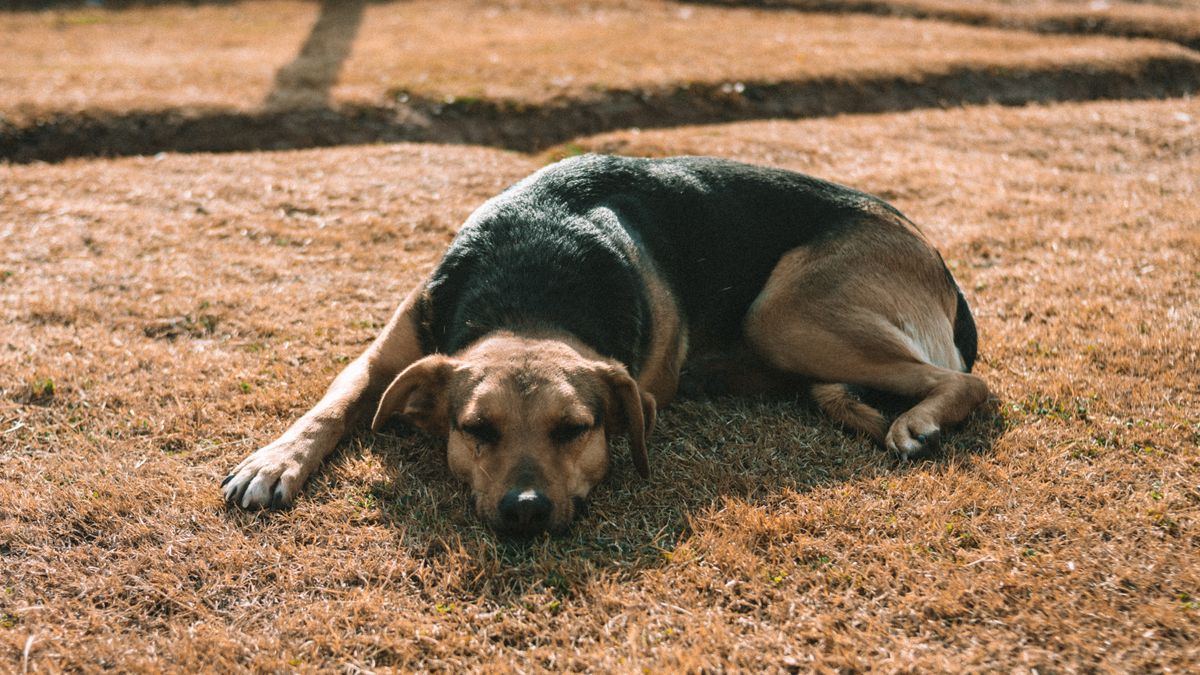
Let's clear up a common misconception here. Many people immediately think of the kidneys when a dog drinks too little. In reality, it's usually the opposite: kidney disease, diabetes, and Cushing's disease typically cause more thirst, not less. The medical term for this is polydipsia, meaning increased thirst, often paired with more frequent urination.
As a rough guideline, consistently drinking more than about 90 to 100 milliliters per kilogram per day is considered notable. So if your dog suddenly drains his bowl, needs to go out more often, maybe even at night, that's the point where you should get it checked by a vet, not the occasional low-drinking day of an otherwise fit dog. Changes like this are often among the first signs that something's off; you can read more about it in our guide on when your dog suddenly seems different.
The chart below helps you figure out whether you can keep watching calmly or whether it's time to act.
| Situation | What matters now |
|---|---|
| Eats wet food, alert, gums moist | Green: normal, less bowl-drinking is explainable |
| Drinking little for hours, otherwise fine | Yellow: actively offer water and keep watching |
| No drinking at all for about a day in a healthy dog | Red: get veterinary advice |
| No drinking plus vomiting, diarrhea, or lethargy | Red: go to the vet clinic right away |
| Puppy, small breed, senior, or sick dog not drinking | Red: don't wait, get seen early |
If an otherwise healthy adult dog refuses to drink anything for more than about a day, get veterinary advice. For puppies, small breeds, and older or previously ill dogs, the rule is: act earlier, don't wait, since they dehydrate faster. And even though a dog can survive several days without water in an extreme case, that's not a timeframe you should ever wait out. Serious harm can set in much sooner.
If your dog is healthy but just a reluctant drinker, a few simple tricks can help. Not every one of these is backed by rigorous science, but most are common, harmless practice.
Set up several bowls in different spots around the house so water is always nearby. Mix a little water into the food, which reliably increases total fluid intake. A splash of unsalted broth with no onion or garlic, both toxic to dogs, makes the water more appealing; about thirty milliliters per kilogram is a good guideline. A clean bowl is more than a nice touch, since dogs avoid dirty or slimy bowls, so washing it daily really does help. A pet fountain with running water can be worth a try, though unlike with cats, a genuine preference for running water isn't well documented in dogs. And when you're out and about: bring water and offer it regularly, roughly every thirty to sixty minutes on longer walks, more often in the heat.
On hot days, a cool lick-friendly treat is also a great incentive. For how to safely make frozen broth cubes and simple dog-friendly ice, check our recipe guide on making dog ice cream at home.
As important as drinking enough is, summer also brings the opposite problem, and it's rarely mentioned. During extended fetch sessions in the water or while biting at a sprinkler, a dog can unknowingly swallow a lot of water. That can dilute the salt balance in the blood and trigger water intoxication, with vomiting, wobbliness, muscle tremors, and even seizures. Regular play breaks help prevent it, and if you notice these signs after swimming, an immediate vet visit is necessary.
At the ocean, the opposite risk applies: swallowing larger amounts of salt water can, due to its high salt content, cause diarrhea, vomiting, and in severe cases a dangerous salt poisoning. That's why you should always bring fresh drinking water to the beach, so your dog has an alternative to seawater. For more on safe water fun, see our guide on swimming with your dog at lakes and the sea.
Whether your dog is drinking enough can't be judged by the bowl level alone; it comes down to the whole picture: food, weather, behavior, and a quick check of skin fold and gums. Most of the time, a half-full bowl in summer is harmless, especially on wet food. What matters is knowing the exceptions: the sudden surge in drinking just as much as the lethargic dog who won't take in anything at all.
In the Souldog app, you can track your dog's drinking habits over time, so you keep a feel for what's normal for him. Especially when something changes, that history helps you and your vet ask the right questions early.
 Souldog