A pink nose, thin belly fur, a pale back: the sun reaches your dog in more places than you'd think. Here's which dogs are most at risk, which sunscreen is safe, and how to recognize real sunburn.
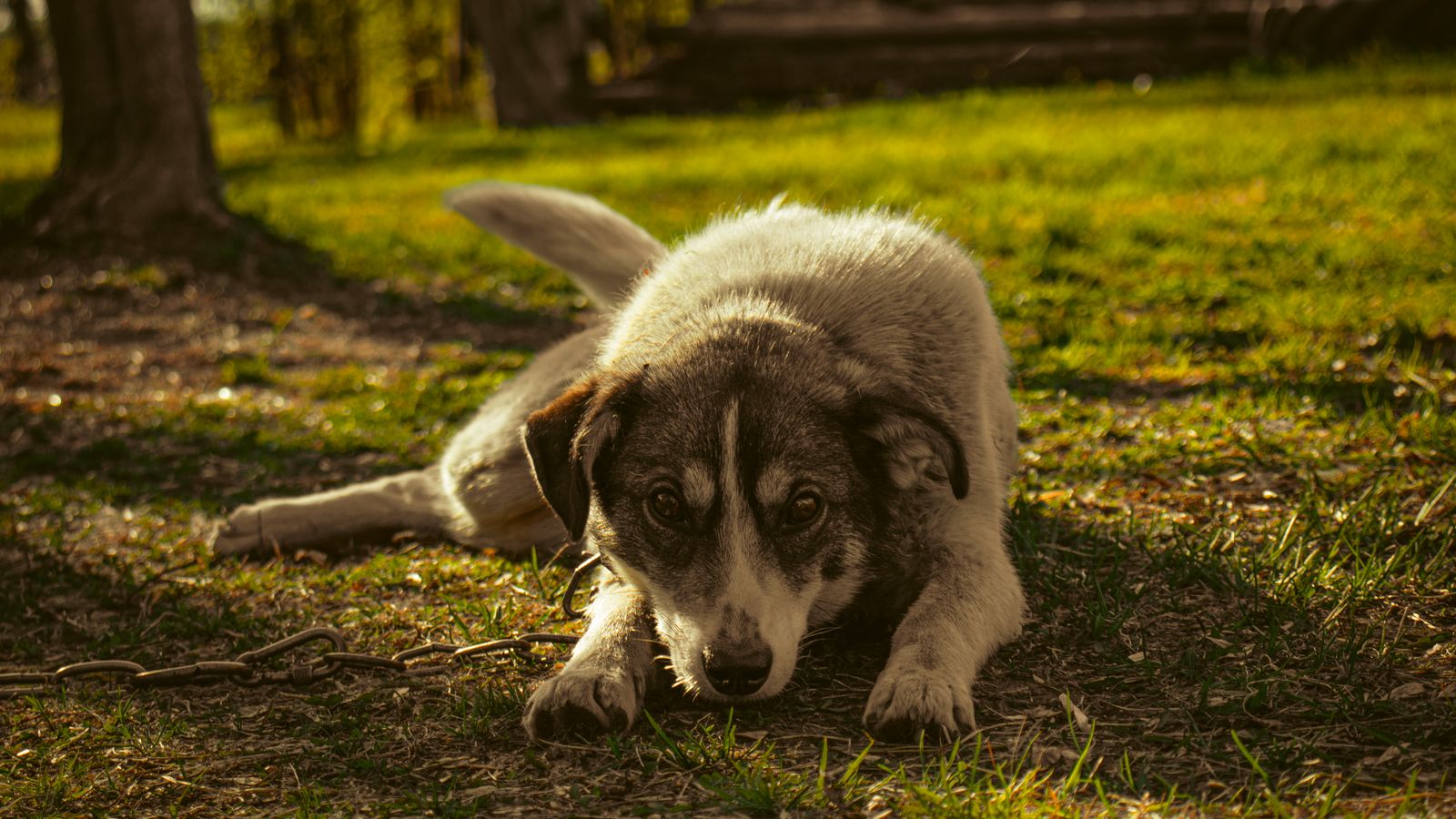
The dog is stretched out on the patio, belly up, legs splayed, right in the middle of the midday sun. A picture of contentment. Except right there, where the fur is thinnest, on the belly, in the groin, along the bridge of the nose, the sun has almost a clear shot. That dogs can get sunburned surprises a lot of people. They have fur, after all. The catch is that this fur isn't evenly thick everywhere, and some dogs come with barely any natural protection at all.
unburn in dogs isn't just a one-off annoyance. Repeated sun damage leaves lasting marks, sometimes skin changes your vet should keep an eye on. The good news: a few simple rules reliably keep it from happening. Let's go through it step by step.
Yes, dogs get sunburned, especially on thinly furred and unpigmented areas: the bridge of the nose, ear edges, belly, groin. Dogs most at risk have light, thin fur, pink skin, and hairless breeds, plus freshly shaved dogs. Protect these areas with shade, by avoiding the midday sun, and with a sunscreen made specifically for dogs.
Stay away from sunscreen containing zinc oxide or PABA, since both are toxic if your dog licks them off. For red, flaky skin, cooling and shade help. For blisters, open sores, widespread redness, or a lethargic dog, sunburn belongs in the vet's office.
The misconception sits in the word fur. We picture a solid blanket that wraps the whole dog. In reality, the coat is thin or missing entirely in many spots: the bridge of the nose, the inside of the ears, the belly, the groin, the lips, the skin around the eyes. That's exactly where UV radiation reaches the skin almost unfiltered.
Then there's pigmentation. Melanin, the body's own pigment, acts like a built-in protective filter. Without it, for example on pink noses or pale belly skin, the skin is noticeably more sensitive. That's why a dog with white, thin fur gets sunburned faster than one with dense, dark-pigmented fur, even if both are lying in the same sun.
Whether your dog belongs to the sensitive group comes down to three traits: how light and thin the fur is, how much pigment the skin has, and how much bare skin is exposed. The overview below helps you place your dog.
| Dog type | Sunburn risk |
|---|---|
| White or light, thin fur (e.g. Dalmatian, white Boxer, Bull Terrier) | High, pale skin plus little fur |
| Short-haired with pink nose or pale belly (Whippet, Beagle, Pit Bull) | High on unpigmented areas |
| Hairless breeds (Chinese Crested, Peruvian Hairless Dog) | Very high, almost no fur protection |
| Freshly shaved or bald patches after surgery | High, as long as the fur is missing |
| Dense, dark-pigmented fur | Lower, but the belly and nose stay sensitive |
One detail often gets overlooked: a dark dog isn't automatically safe either. What matters is the skin's pigmentation, not the fur color. A black dog with pink belly skin can still get sunburned there. And dark fur brings its own problem: it heats up more in the sun, which means the dog overheats faster. That's no longer a sunburn issue, it goes straight to heatstroke in dogs, which you should always keep in mind during hot weather.
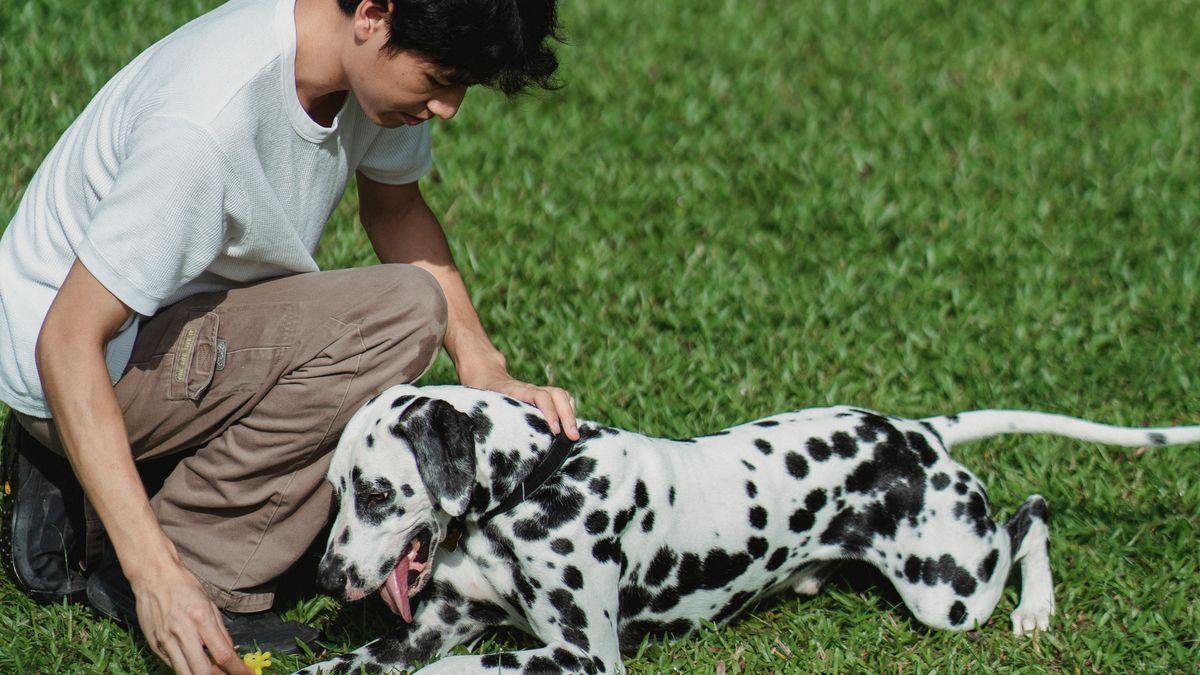
Acute sunburn looks similar in dogs to how it looks in us. The skin turns red, is often slightly swollen, and later flakes. It feels warm and is sensitive to the touch; some dogs flinch or lick the spot. With more severe exposure, blisters form, and the skin can crack open.
The areas affected are mostly the ones already mentioned: the bridge of the nose, ear edges, belly, groin, lips. A common first sign is a dog that licks or scratches at one particular spot noticeably often after spending a long time in the sun. If widespread redness sets in or the dog seems lethargic, that's the point where you shouldn't wait any longer.
A single sunburn heals without consequences in most dogs. The problem is repetition. If the same unpigmented spot gets hit by unprotected sun summer after summer, it can turn into chronic sun damage that experts call solar dermatitis or actinic dermatitis. The skin thickens, becomes leathery and bumpy, and blackheads and bald patches form, typically on the bridge of the nose and the thinly furred belly skin.
These chronically damaged areas are the ground on which tumors can later develop. UV light is a recognized risk factor for squamous cell carcinoma and for certain vascular skin tumors in dogs. One study in Beagles found a markedly higher tumor rate in dogs with solar dermatitis than in dogs without it. That's no reason to panic, but it's a good reason to take sensitive spots seriously. Sun-induced squamous cell carcinoma rarely spreads, but it still requires veterinary treatment.
Sunscreen is the most effective active protection for areas you can't shade. Your safest bet is a product formulated specifically for dogs. Human sunscreen isn't automatically suitable, because some ingredients cause problems when licked. If no dog-specific sunscreen is on hand, a fragrance-free children's or baby sunscreen can serve as an emergency substitute, but only if it contains no zinc oxide and no PABA. When in doubt, ask your vet's office for a suitable product.
Two ingredients deserve a clear warning.
Zinc oxide is dangerous if your dog licks the cream off. Repeated licking over several days can trigger severe anemia; a single small amount usually just causes an upset stomach. PABA (para-aminobenzoic acid) is toxic if ingested and can cause vomiting, diarrhea, and organ damage. Neither substance should be in any sunscreen you put on your dog. As a mineral filter, titanium dioxide is considered a much better-tolerated alternative.
When applying: put a thin layer of cream on the critical areas, meaning the nose, ear edges, belly, groin, and any thinly furred spots, about fifteen to twenty minutes before heading outside. Keep your dog from licking it off briefly, until the cream has absorbed, for example with a game or a treat. A waterproof, unscented formula with SPF 30 or higher is ideal, and you should reapply after swimming and roughly every two to four hours.
The best sun protection is the kind where the sun never reaches the skin in the first place. Move walks to the early morning and late evening hours and avoid the strong midday sun between roughly ten and four. A shady, airy retreat in the yard or on the balcony is a must on hot days.
A lightweight UV shirt for dogs can add extra coverage to the torso skin. There aren't any solid veterinary studies on how effective this is in dogs, but physically, dense fabric does block UV radiation, similar to how it works for people. As a supplement for sensitive or freshly shaved dogs, a shirt like this can help, but it doesn't replace shade.
And one more common misconception: your dog isn't automatically safe behind glass. Ordinary window glass blocks most UVB radiation but lets some UVA through. A dog lying for hours in a sunny car or by a window isn't fully protected as a result. In a car, heat is by far the bigger danger anyway; you can read more in our guide to dogs in hot cars.
A special case that often gets overlooked is the freshly shaved dog. As soon as the protective topcoat is gone, the skin lies unfiltered in the sun, whether after a summer trim or a shave for surgery. Light-colored dogs and thinly pigmented areas in particular become especially vulnerable at that point.
That's why you should keep a shaved dog consistently out of direct midday sun for the weeks until the fur grows back, and protect the exposed areas with a dog-safe sunscreen. For more on deciding whether and how to shave your dog in summer, and why a double coat often protects a dog better than any trim, see our full article on shaving your dog in summer.
If the sunburn is already there, relief comes first. Get into the shade, the sun has to go. Soak a soft cloth in cool water, wring it out, and use it to cool the reddened areas, but never apply ice directly to the skin, since that can cause additional harm. Offer water, especially on hot days.
What shouldn't go on the skin right now matters just as much. Human aftersun products with fragrances or essential oils can irritate the skin or become toxic if licked. Cortisone creams belong in your vet's hands, not in your own decision. And aloe vera, a classic remedy for us, is classified by the ASPCA as toxic to dogs if licked. When in doubt, skip it.
The traffic-light guide below helps you decide whether cooling at home is enough or whether it's time for the vet.
| Situation | What matters now |
|---|---|
| Mild redness, small area, dog is bright and alert | Green: shade, cool, observe |
| Noticeable redness, flaking, dog licks a lot | Yellow: cool it and get it checked by a vet within the next day or two |
| Blisters, open or bleeding areas, widespread | Red: get to the vet promptly |
| Lethargic dog, fever, significant pain | Red: seek veterinary care immediately |
Pronounced sunburn with blisters is equivalent to a second-degree burn and can take weeks to heal. Don't rely on home remedies in that case; have the wound treated properly.
Sunburn in dogs sounds unusual at first, but it's actually an everyday summer issue once you know where the skin is left unprotected. A shady spot, rescheduled walk times, and safe sunscreen on the nose, ears, and belly take away most of the worry. And if you're unsure whether redness is still harmless or already needs a vet, a quick call to your vet's office is always the right call.
In the Souldog app, you can log your dog's sensitive spots and sun protection routine, and set yourself a reminder for hot days. That way you don't have to think it through fresh every time in the middle of summer, you've already got the protection sorted, exactly where your dog needs it.
 Souldog