🐾 Small · France
An intelligent, eager-to-learn companion dog with a close bond to its owner, needing mental stimulation and fitting well into daily life.
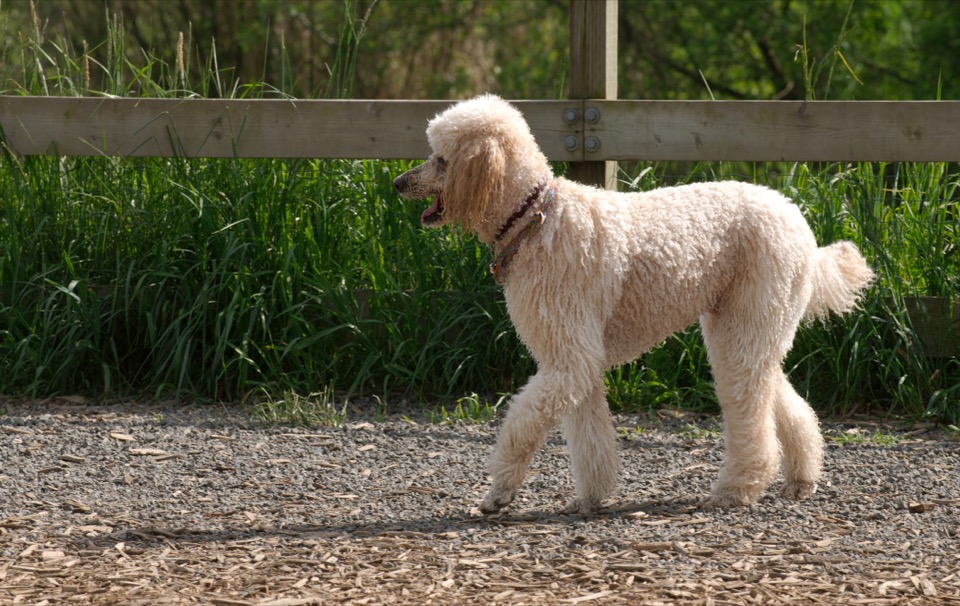
The Miniature Poodle is regarded as attentive, affectionate, and highly trainable, making him a versatile family dog. He seeks close contact with his people and is sensitive to the household mood. Toward strangers he is often reserved to watchful, without being aggressive.
Despite his small size, the Miniature Poodle needs daily exercise and, above all, mental engagement — retrieving games, trick training, or dog sports like agility. Plain walks alone often aren't enough to tire him out.
The curly, non-shedding coat grows continuously and needs a professional trim every six to eight weeks, with daily brushing in between to prevent matting. Ears and the eye area require regular checking.
The Miniature Poodle is considered well suited to beginners, being eager to learn and adaptable. Still, owners should plan for ongoing coat maintenance and the need for regular mental stimulation.
Breed-typical conditions include patellar luxation, progressive retinal atrophy (PRA), and a predisposition to epilepsy as well as loose joints. Breed clubs recommend eye exams and patella checks before breeding.
← Back to the full dog-breed overview (281 breeds)
This information is for general guidance and does not replace veterinary or breeder advice. Temperament and health vary individually within every breed.
 Souldog