🐾 Small · Japan
The Japanese Spitz is a small, brilliant-white spitz with a lively, alert temperament and a strong attachment to its family.
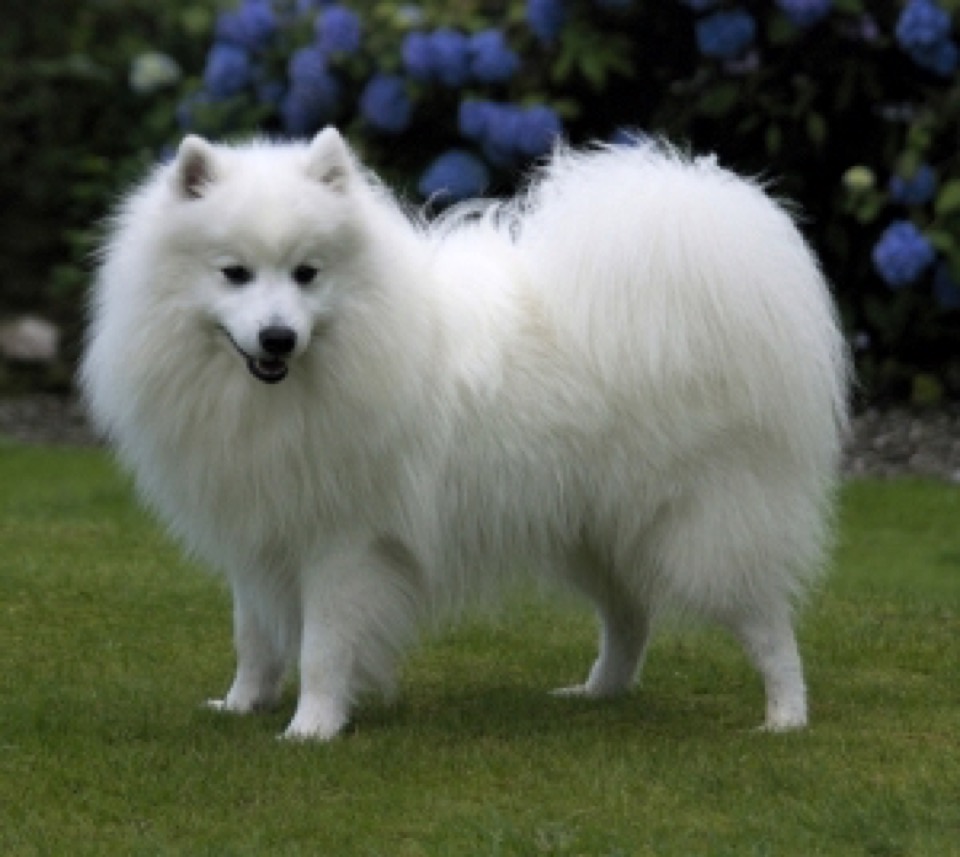
Japanese Spitz are lively, playful and very people-oriented, while remaining attentive and strongly inclined to alert to strangers. Without training they can be prone to yapping, but otherwise are friendly and adaptable. Toward family they are loyal and seek plenty of closeness.
Despite its liveliness, the Japanese Spitz is satisfied with moderate daily walks and play indoors or in the yard. Mental stimulation through small tricks or search games suits its quick understanding well. The breed also suits less athletic owners.
The pure-white, dense double coat is self-cleaning yet still needs regular brushing, especially during shedding season. Bathing is rarely necessary, since dirt tends to fall out on its own thanks to the coat's special structure. Nails and teeth should be checked routinely.
With its friendly, adaptable nature and manageable grooming needs, the Japanese Spitz is well suited for beginners. Consistent early training helps prevent excessive barking.
The breed is considered robust and healthy; patellar luxation and tear duct problems occur occasionally. Regular veterinary checkups are nonetheless recommended.
← Back to the full dog-breed overview (281 breeds)
This information is for general guidance and does not replace veterinary or breeder advice. Temperament and health vary individually within every breed.
 Souldog