🐾 Small · Scottish-English border region
An elongated, short-legged terrier with a distinctive topknot that thinks independently and behaves more calmly than most terriers, while still showing typical stubbornness.
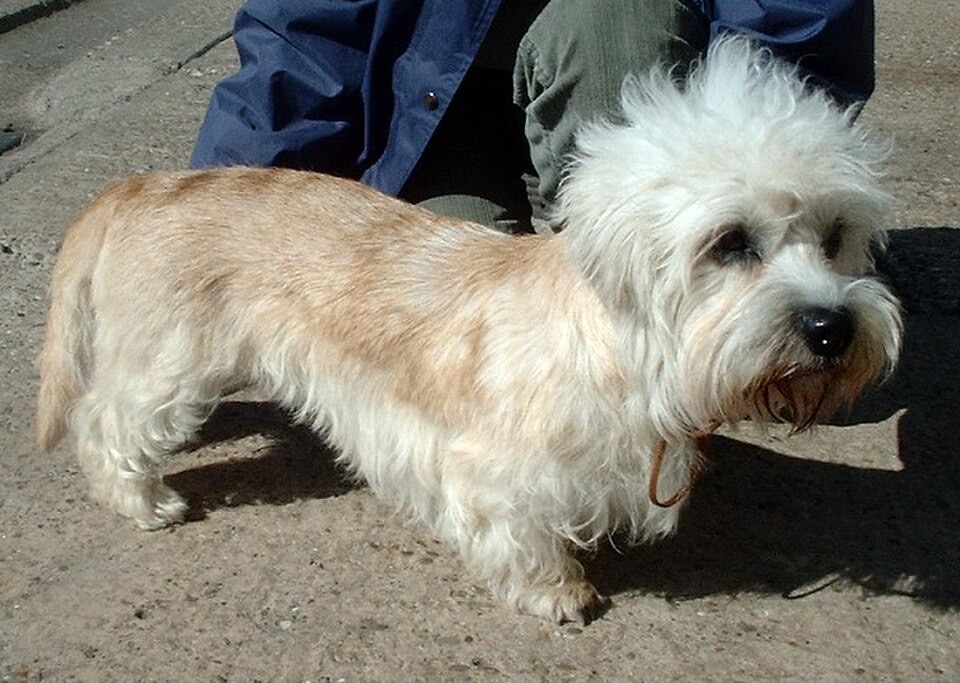
Confident, dignified and less hyperactive than other terriers, yet strong-willed and alert. Bonds closely with the family while remaining reserved toward strangers.
Moderate exercise needs with daily walks and occasional digging or sniffing; not a candidate for top athletic performance. Mental stimulation is needed just as much as physical exercise.
The wiry coat with its soft topknot must be regularly hand-stripped rather than clipped to preserve texture and colour. The long back requires protection from stairs and jumping.
Manageable for first-time owners who bring consistency, since the breed thinks independently and needs repetition in training. Not a dog for a purely laissez-faire approach.
Because of the long back and short legs, there is an increased risk of intervertebral disc disease (IVDD), so jumping should be avoided. Glaucoma and Cushing's disease also occur more frequently in the breed.
← Back to the full dog-breed overview (281 breeds)
This information is for general guidance and does not replace veterinary or breeder advice. Temperament and health vary individually within every breed.
 Souldog