Why more and more dog owners are keeping the leash long and letting the dog's nose set the pace, instead of powering through a fixed loop.
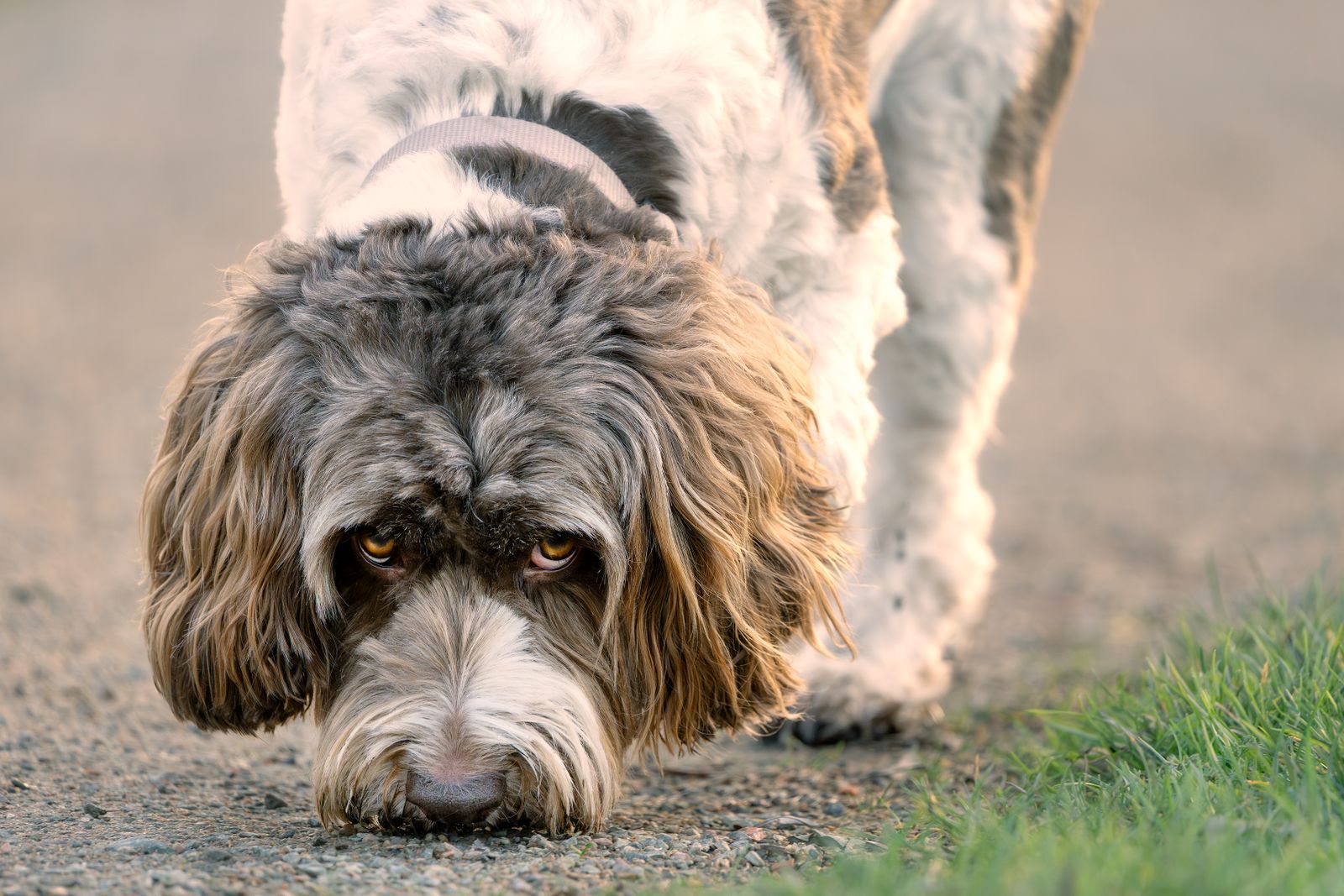
ou've got a video call in twelve minutes, the leash is already in your hand, and your dog stops at the third lamppost in a row to thoroughly inspect a scent mark. The instinct is to give a gentle tug and keep moving. According to one of the bigger dog-walking trends of 2026, you should resist that instinct as often as you can.
A sniffari, sometimes called a scent walk, is a walk where pace and distance take a back seat to your dog's nose. The leash stays long, the dog sets the tempo, and stopping at every third lamppost is explicitly allowed.
The classic, brisk walk-around-the-block with a focus on heeling gets swapped for something slower, often called a "decompression walk" in trainer circles. It's especially recommended for anxious, overexcited, or recovering dogs, because it provides mental stimulation without putting much strain on the heart or joints.
What's proven: nose work measurably makes dogs more optimistic. What's widely repeated among dog trainers, but not directly proven, is the claim that five minutes of sniffing tires a dog out more than thirty minutes of running.
The key study here comes from Duranton and Horowitz in 2019. Twenty dogs practiced either nose work or classic heel training daily for two weeks. Before and after, they went through a cognitive bias test: how quickly does a dog approach a food bowl placed at an ambiguous spot, one that sometimes holds food and sometimes doesn't? The nose-work group got measurably faster afterward, a sign of increased optimism. What that measured was the dogs' mood, not their physical or mental exhaustion.
The often-repeated claim that nose work is as cognitively tiring as hours of running is physically tiring doesn't come from this or any comparable study. It's a widespread experience-based belief among dog trainers. That doesn't make the observation wrong. Plenty of trainers independently report visibly calmer dogs after short sniffing sessions, but it hasn't actually been measured. You'll find the same careful framing in our articles on keeping dogs busy in the heat and choosing a dog sport, which rely on the same body of research.
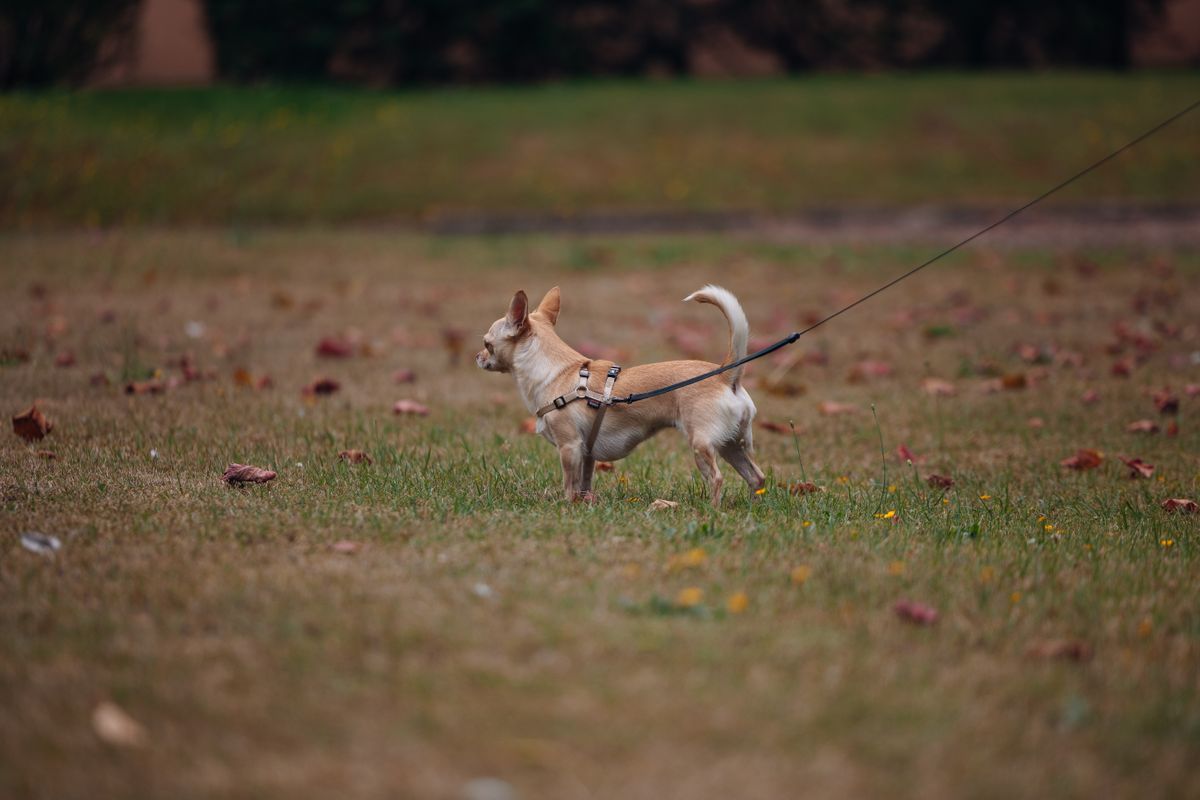
The easiest place to start is the leash: a longer standard leash or a long line gives your dog enough room to explore without you giving up control entirely. After that, the main thing is dropping the mental stopwatch. A planned route doesn't have to be finished no matter what, and unfamiliar corners deliver more scent input than the same loop around the block anyway.
Timing-wise, the AKC's guidance of five to twenty minutes for a dedicated sniffing stretch is plenty, it doesn't need to be more. Most people combine rather than replace: a brisk stretch first, then loosening the leash on the way back and letting the dog work from lamppost to lamppost.
The sniffari isn't really a new idea. Dogs have always taken their nose more seriously than our schedule. What's new is that more people are deliberately making room for it instead of constantly tugging gently on the leash. For more ideas on spending time outdoors together, check out our overview on activities with your dog, and if you're looking for new, sniff-friendly spots nearby, the Discover feature in the Souldog app helps you find routes off the beaten path.
 Souldog