Hardly any summer problem is overlooked as often as the small, sharp grass awn. Here you'll learn why it's so dangerous, how to recognize it on paw, ear, nose and eye, and how a short check after the walk reliably protects your dog.
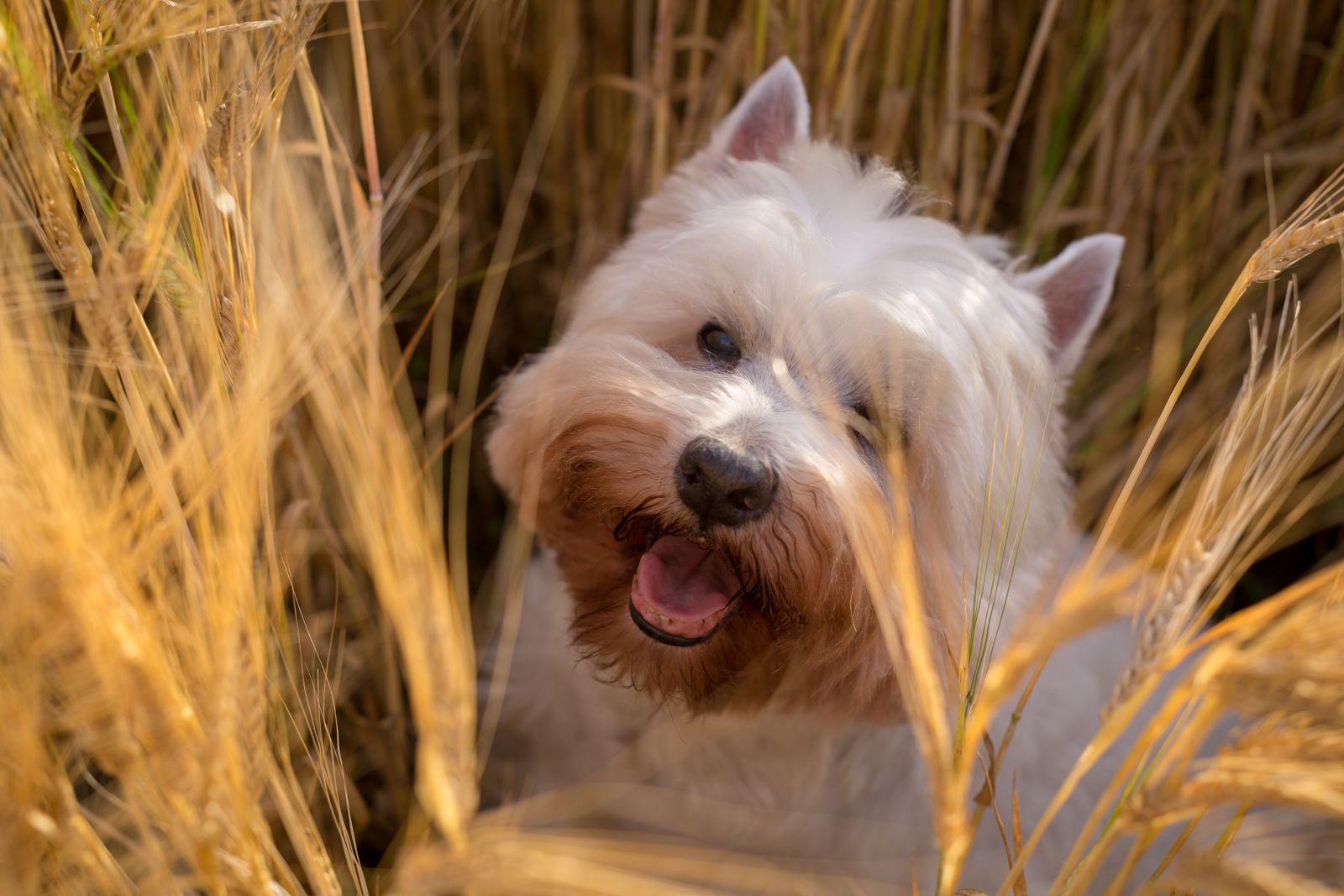
You're back from the loveliest summer walk, your dog romped through tall meadows, and at home he starts gnawing at one paw as if possessed. Maybe he also keeps shaking his head hard or suddenly sneezes in fits. What looks harmless is one of the most commonly underestimated summer dangers for dogs: a grass awn (also known as a foxtail). These small, sharp fragments of grass ear bore through skin and mucous membrane, and once inside, they keep moving further into the body.
he good news: if you know what to look for, you'll catch the problem early, and caught early it's usually solved quickly and easily. How to recognize a grass awn on the paw, ear, nose and eye, when you may carefully help yourself and when only the vet should step in, and how a short check keeps the whole thing from escalating in the first place, that's what we'll go through now.
If you're short on time, here's the most important part up front. Grass awns are the sharp tips of ripe, dry grasses. They are not poisonous, but they are dangerous because they carry fine barbs. Because of this, they can only move in one direction through tissue: deeper into the body. They never migrate back out on their own.
Most often they lodge in the ear and between the toes, but also in the nose, eyes and mouth. A grass awn in the eye, ear or nose always needs a vet immediately, never treat it yourself. You may only remove an awn that is loose and fully visible in the coat and has not entered the skin. And the best prevention is a quick check after every walk through tall grass.
Grass awns are the bristly tips on the ears of many grasses and cereal plants, such as wall barley or various foxtail grasses. For the plant, they're a clever tool for self-seeding; for your dog, they're a problem. The reason lies in their structure: tiny, backward-facing barbs sit along the tip and allow movement in only one direction. Forward always works, backward never does.
One widespread misunderstanding first: grass awns are not poisonous, the danger is mechanical. They don't belong in the same category as toxic plants or foods. The sharp awn pierces skin or mucous membrane, migrates into the tissue, and carries bacteria along with it, which then cause inflammation and abscesses. That's also why the problem rarely disappears on its own.
It becomes dangerous mainly during the warm season, roughly from June to September. What matters is less the calendar than the state of the grass. As long as the ears are green and soft, little happens. Once they're ripe, dry and brittle, they break off easily, detach from the stalk, and have a hard, sharp tip. That's exactly when they're most dangerous.
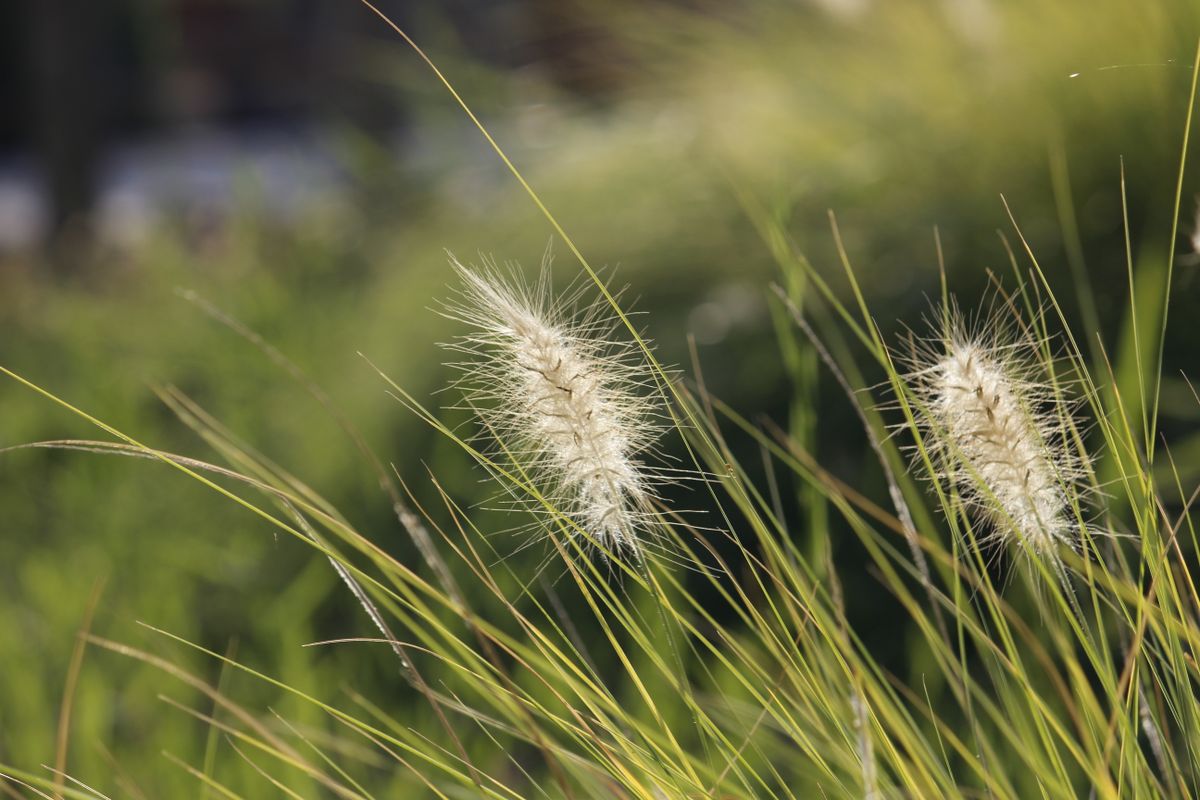
The barbs turn the grass awn into a one-way street. With every movement your dog makes, with every breath, swallow or muscle twitch, it slides a little further, always in one direction: inward. It cannot move backward. That's why a grass awn problem doesn't patiently wait at the entry point, it can keep migrating for days and weeks.
On top of that, grass awns don't dissolve in the body. Unlike some things the body can break down, the plant material remains a foreign object that keeps causing trouble until it's actively removed. And there's another thing that makes them tricky. On a normal X-ray, a grass awn is usually not visible. The vet typically recognizes it only by its traces, meaning swelling, an abscess or a fistula tract, and often locates it with ultrasound. That's the main reason why acting early is so much easier than acting late: the shorter the awn has been traveling, the more superficial it sits, and the easier it is to find.
In rare cases, an untreated grass awn migrates as far as deeper regions such as the chest cavity and triggers serious inflammation there. That's the exception, not the rule, but it shows why a suspicion shouldn't be put off.
The telltale sign of grass awns is the sudden onset. Everything was fine just a moment ago, and no sooner are you back from the field than a very specific behavior starts. Here's an overview of how to tell where the grass awn is lodged:
| Location | How to recognize it |
|---|---|
| Paw, between toes | Sudden, persistent licking or gnawing at one paw, limping, later a swelling between two toes or a weeping hole |
| Ear | Sudden, hard head shaking, scratching at the ear, head tilted to one side, pain on touch |
| Nose | Sudden, intense bouts of sneezing right after sniffing, one-sided discharge often tinged with blood, pawing at the nose |
| Eye | Squinted, watering eye, redness and swelling, a protruding third eyelid, rubbing |
| Mouth, throat | Retching, coughing, difficulty swallowing, increased drooling |
Two things matter here. Grass awns most often lodge in the ear and between the toes, the ear even a bit more often than many people think. And on the paw, the visible lump often only develops over one to four days, while the limping already starts right after the walk. So if your dog suddenly limps or fixates on one spot for no obvious reason, a closer look is worthwhile, even if you don't see anything yet.
This is the question where most mistakes happen, so here it is, clearly. You may only take action yourself in a single case: when the grass awn is loose and fully visible in the coat and has not entered the skin. Then you can carefully pull it out with a clean pair of tweezers, clean the spot afterward, and keep an eye on your dog.
In every other case, the rule is: hands off, and off to the vet.
A grass awn in the eye, ear or nose always needs a vet immediately. Never treat it yourself and don't pull on it, even if part of it is sticking out. If it is already in the skin or a body opening, do not press or poke around, because that only pushes it deeper into the tissue. If you suspect a grass awn in the eye, the same applies: no eye ointment and no drops on your own.
The reason for this strictness is the direction of travel. Because of the barbs it can only move forward, deeper into the body, so anything already in the skin and pointing into the tissue cannot be worked loose by pressing, only pushed deeper. Deep-seated grass awns are often removed by the vet under light sedation, with an otoscope in the ear or with ultrasound for localization, and the earlier this happens, the smaller the procedure.
Make an appointment promptly if you notice any of these signs, even if you can't find a foreign object yourself:
One separate note on a rare but serious case: difficulty breathing, persistent coughing, fever, or noticeable listlessness after contact with tall, dry grass is an emergency. In that case, an inhaled grass awn may have migrated into the chest cavity, and your dog needs to go to the clinic without delay.
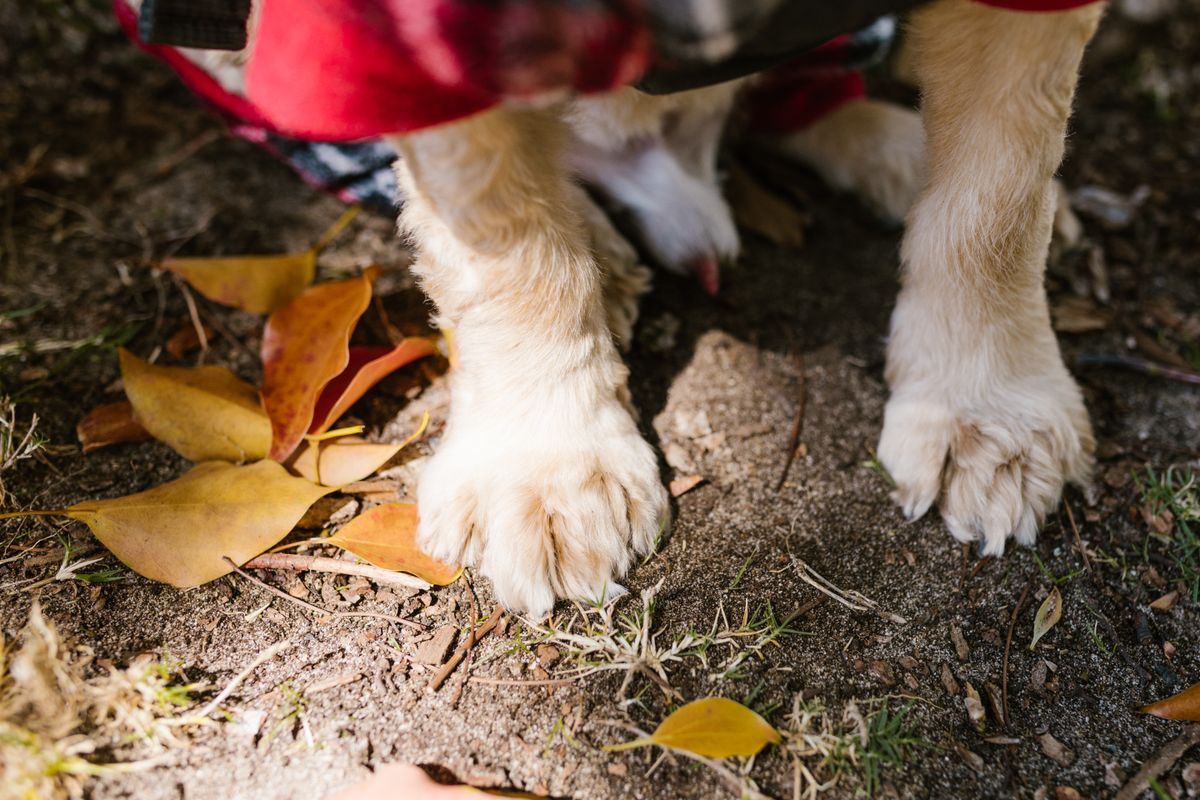
This is where the real lever lies, and it costs you less than a minute. During grass awn season, it's worth briefly and systematically checking your dog after every walk through tall, dry meadows and along field edges. Not out of panic, but as a small routine that quickly becomes second nature.
Keep the fur on paws and ears trimmed short during the season. Trimming the fur between the toes and around the ears in summer removes much of the surface grass awns can grab onto. And where possible, avoid tall, dry meadows during grass awn season and stick to paths instead.
Grass awns sound like a small problem, and mostly they are, as long as you catch them early. You now have the essentials: you know why the barbs turn the grass awn into a one-way street, how to recognize it on the paw, ear, nose and eye, when you may help yourself and when only the vet should, and how a short check after the walk prevents almost all of it. One look between the toes and in the ears, and summer in tall grass is no longer a risk, just simply beautiful.
To see how grass awns fit in among the other dangers for paws, from hot asphalt to sharp objects, read our post on paw protection for dogs in summer. And for an overview of all summer topics, check our big guide on how to protect your dog in summer. If you like, Souldog helps you keep track of the small care routines and, in an emergency, quickly find the nearest vet practice. So you can enjoy summer outdoors without a tiny grass awn spoiling it.
 Souldog