A mosquito bite on vacation, and years later the dog falls ill. Leishmaniosis is treacherous because it stays invisible for so long. Here is how it spreads, how to recognize it, and how to reliably protect your dog when traveling.
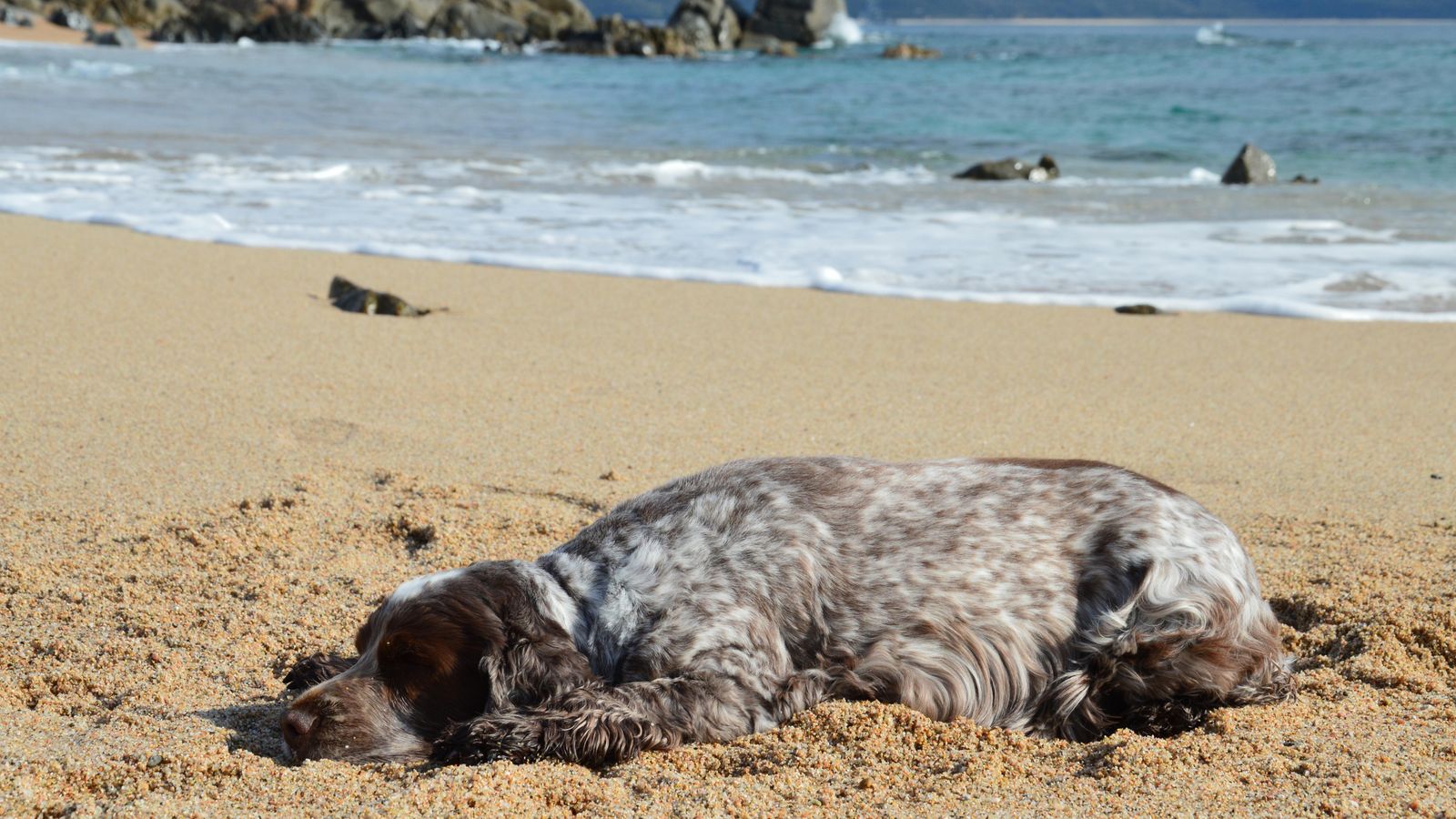
It is a mild evening on the Mediterranean, you are sitting outside the holiday apartment after a long day at the beach, and in the twilight a barely visible fly buzzes around your dog. A tiny bite, hardly worth mentioning, you think. And indeed, nothing happens at first. That is the treacherous part of leishmaniosis: the bite that transmits it usually goes unnoticed, and the disease can break out only months or years later, when hardly anyone is still thinking about that vacation.
eishmaniosis is the best known of the so-called Mediterranean diseases, and it is a topic that grows more relevant with every travel season and every rescued dog from abroad. How the disease is transmitted, why it lies dormant for so long, how to recognize it, and how to truly protect your dog, we will now go through calmly.
If you are short on time, here is what matters most, right up front. Leishmaniosis is transmitted by the bite of tiny sandflies that are active mainly around the Mediterranean and at dusk. The pathogen is a single-celled parasite. Through mere cuddling or licking, your dog will not infect you or other dogs; as a rule, that requires the bite of a sandfly.
The disease is not fully curable, but with an early diagnosis it can be managed well, so affected dogs can lead a good life. The most important lever is prevention: anyone traveling south with a dog should protect it with a repellent against sandflies, keep it indoors as much as possible at dusk, and have dogs from abroad tested after a few months.
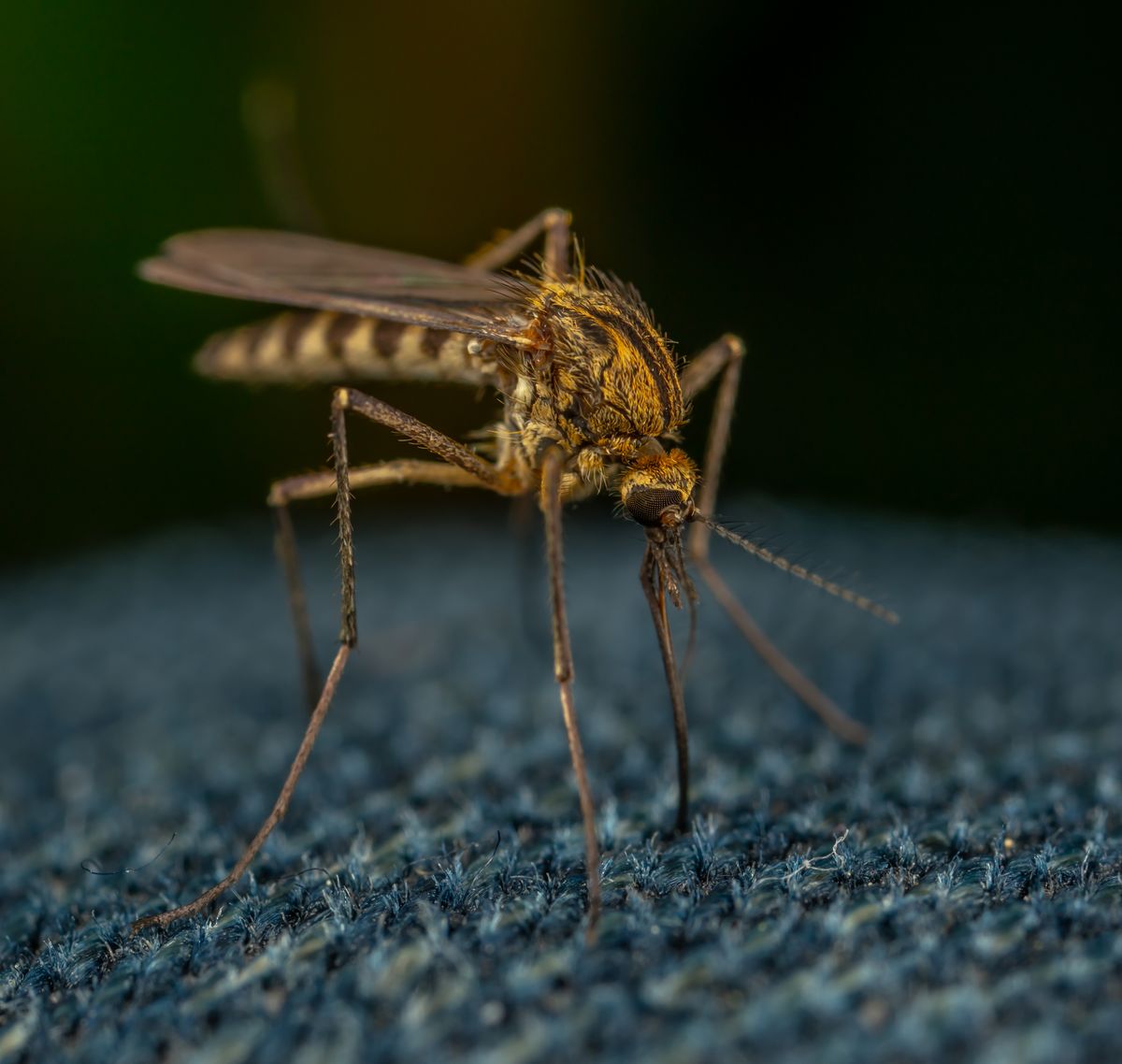
Behind leishmaniosis is a tiny parasite called Leishmania infantum. It is not transmitted by the ordinary mosquito, but by the sandfly (Phlebotomus), also known as the moth fly. These small, inconspicuous insects are active mainly at dusk and at night and bite roughly between May and October. When an infected sandfly bites a dog, it passes on the parasite, which then spreads through the body. Only in rare, individually documented exceptional cases can a dog become infected without a mosquito bite, for instance through bite wounds, mating, a blood transfusion, or from the dam to her puppies.
One important point right away, because it worries many people: your dog cannot infect you through cuddling, licking, or simply living together. Leishmaniosis is in principle also relevant for humans, but transmission runs, in the vast majority of cases, by way of a sandfly. The Robert Koch Institute (RKI) considers direct transmission from a dog without a mosquito conceivable only in rare cases, for instance if a sick dog injures a person, and rates the risk of that as very low. According to the RKI, children and people with a weakened immune system should, as a precaution, avoid close contact with an infected dog.
The classic risk areas are the popular vacation countries around the Mediterranean. Depending on the region, a noticeable share of the dogs there carry the pathogen, and in some high-risk areas even more than half. An important point for context: not every infected dog also becomes sick. It is estimated that only about one in ten infected dogs actually develops symptoms; the others carry the pathogen unnoticed.
And what about Germany? Here, leishmaniosis has so far mainly been an imported disease, whether through dogs returning from vacation or through rescue dogs from the south. Individual cases where a dog was demonstrably infected within Germany are documented, but these remain true exceptions so far, not widespread transmission. What is also clear, though, is that with warmer summers the sandfly's habitat is slowly moving north, which is why experts are watching the development closely.
Leishmaniosis in dogs has become notifiable. Since March 2026, a notifiable-disease requirement under German animal disease law has applied to leishmaniosis in dogs. However, it is veterinarians and laboratories who must report to the authorities, not you as the owner. Nothing changes for you day to day; there are no forms and no quarantine. The reporting requirement exists solely to keep better track of how the disease is spreading.
Leishmaniosis is a chameleon, because it can affect many organs and presents in very different ways. The skin and coat are most commonly affected. More than eight in ten affected dogs develop skin changes: dry flaking, bald patches especially on the face around the eyes and ears, on the nose, plus ulcers and wounds that heal poorly.
General signs that are easily misread often come with it. The dog loses weight, seems listless and less resilient, and the lymph nodes swell. A very typical, often overlooked sign is excessively long, brittle claws. Recurring nosebleeds and eye inflammation are also part of the picture. The most dangerous part is the creeping kidney damage, since kidney failure is the most common cause of death in advanced disease.
The insidious part remains the time factor. Between the bite and the first symptoms, months, sometimes even years, can pass. So if your dog develops such signs long after a trip to the south or after being adopted from abroad, consider the possibility of leishmaniosis and bring it up actively with your vet.
Suspicion can be clarified with a blood test that looks for antibodies or directly for the pathogen. An important point on timing: right after a possible infection, a test makes little sense, because the body has not yet formed detectable antibodies. An antibody test becomes meaningful at the earliest six to eight weeks after a possible infection; for dogs from abroad, an additional check after three to six months is also recommended. And even a negative result cannot, because of the long incubation period, rule out an infection with complete certainty.
Honesty matters when it comes to treatment: leishmaniosis is not curable in the sense of a full cure. As a rule, the parasite cannot be completely removed from the body, the dog remains a carrier, and relapses are possible. The good news, however, is that the disease can usually be well managed with medication. Many dogs, under consistent, often lifelong therapy, lead a good and stable life. The earlier the diagnosis, ideally before organs such as the kidneys are damaged, the better the outlook. The right treatment is always put together by the vet.
Because there is no perfect protection against leishmaniosis, good prevention starts exactly where transmission begins: at the bite. Here is how to proceed when a trip to the south is coming up:
Permethrin is highly toxic to cats. Products with permethrin are safe for dogs at the approved dose, but life-threatening for cats. If a cat lives in the same household, it must never receive a dog permethrin product, and contact with a freshly treated dog should be avoided. If in doubt, discuss the choice with your vet.
Leishmaniosis is the best known, but not the only travel disease. Anyone driving south with a dog or taking in a dog from abroad should also know these:
The good side effect: consistent tick and mosquito protection while traveling covers several of these diseases at once.
Leishmaniosis sounds like a big, gloomy topic, and it should be taken seriously. But you now have the essentials in hand: you know that the sandfly is the carrier, that your dog cannot infect you directly, how to recognize the disease, and how to keep the risk low with repellent, smart timing, and a test for dogs from abroad. The best protection remains not letting the fly bite in the first place.
If you are planning a trip anyway, it is worth checking our guide on traveling through Europe with your dog, including vaccinations and paperwork. An overview of all summer topics is in our big guide on protecting your dog in summer. And if you like, Souldog helps you keep track of checkups and appointments so they do not slip your mind. So the vacation stays carefree for both of you.
 Souldog