Ticks are as much a part of summer as the tall grass they hide in. Here you'll learn how to remove a tick the right way, which home remedies you should avoid at all costs, which diseases ticks can transmit, and how to protect your dog reliably.
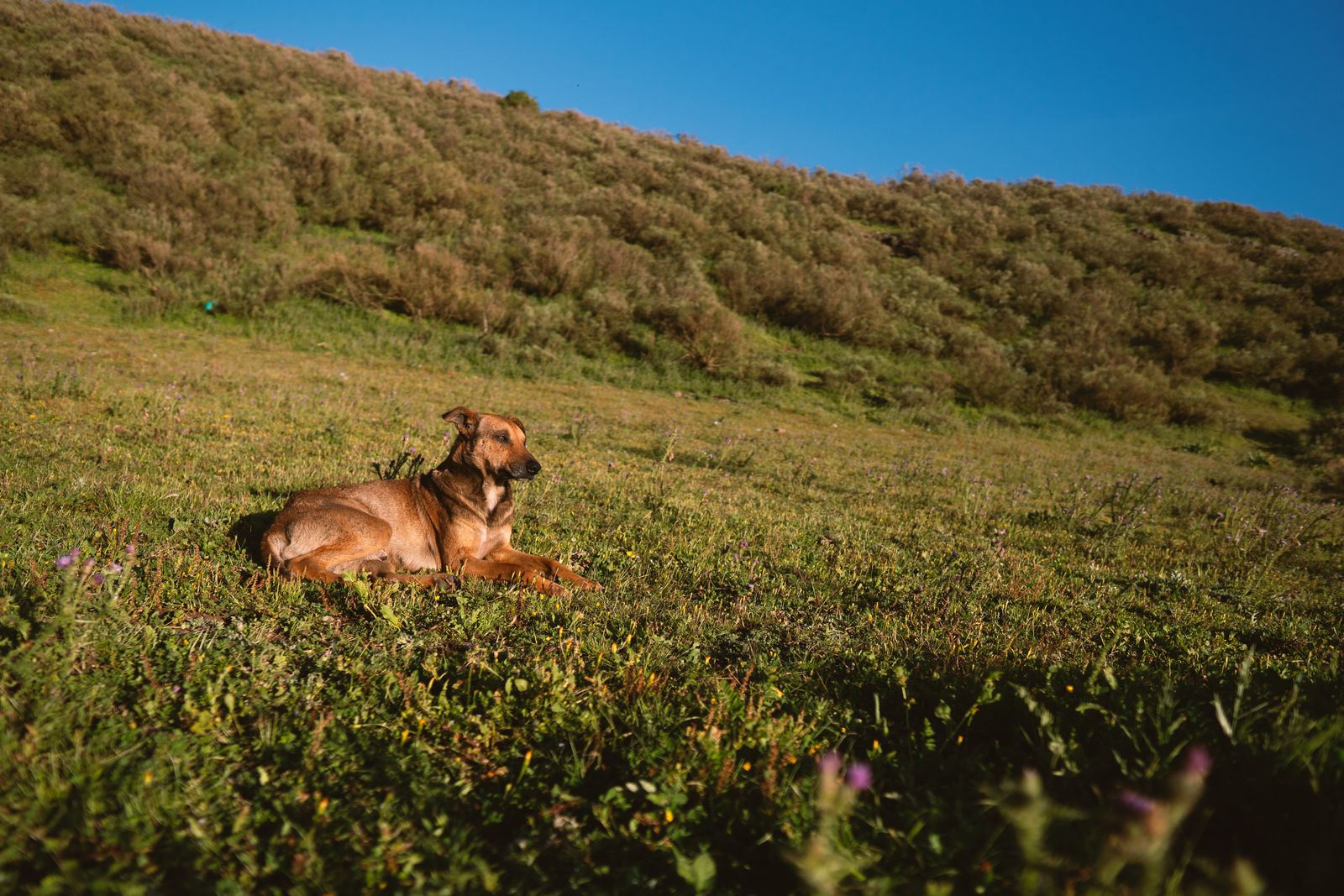
It's the evening after a long summer day, your dog is lying contentedly next to you, and as you scratch behind their ears, your fingers catch on a small, firmly attached lump. A tick. And with it comes the automatic question: twist or pull? Did the head stay in? Do I need to see the vet now? The good news up front: in the vast majority of cases, a tick comes off quickly and easily once you know the right way to do it.
he less good news is that there's a surprising amount of half-right advice circulating about ticks, some of which actually increases the risk of infection. Let's calmly walk through how to remove a tick safely, which methods to avoid entirely, which diseases really matter in Germany, and how to protect your dog throughout the season.
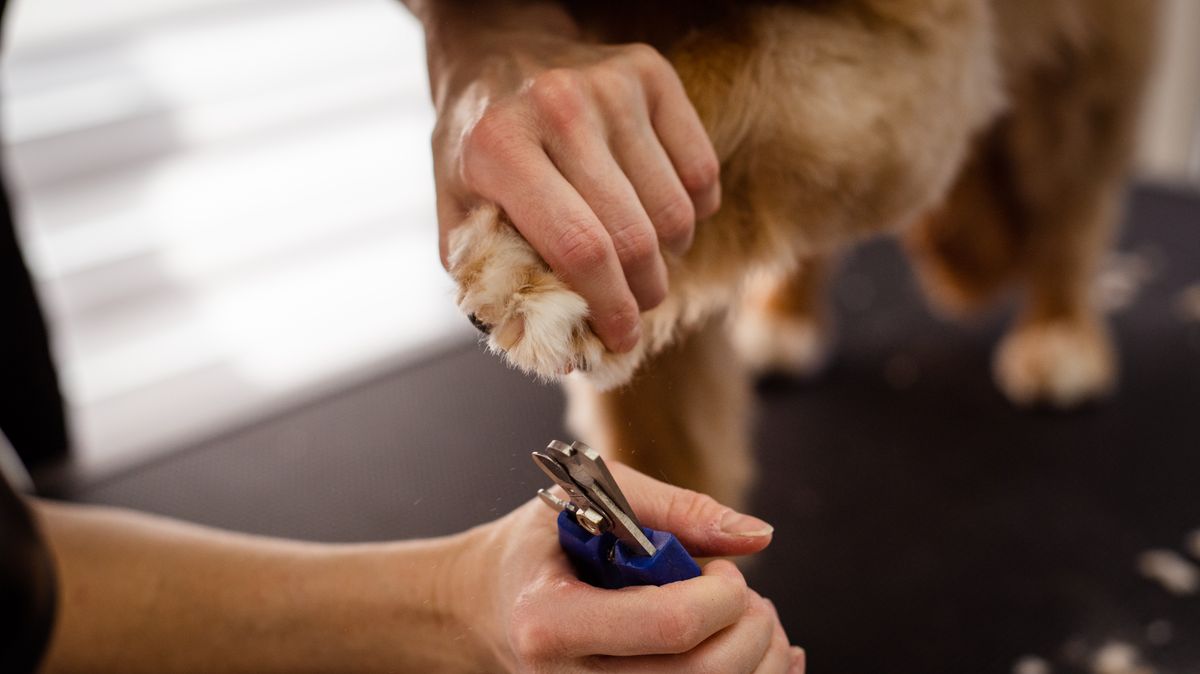
If you're short on time, here's what matters most. Grip the tick with tick tweezers or fine-pointed tweezers as close to the skin as possible, and pull it straight out with steady, even pressure, without squeezing. With tweezers, you don't twist; only a tick removal hook is designed by its shape to be twisted.
Keep away from oil, glue, nail polish, alcohol, or a hot needle: these home remedies irritate the tick and can cause it to release more pathogens into the wound. If a small piece of the mouthpart stays behind, that's usually not a big deal; the body typically pushes it out on its own. Watch the spot for a few days afterward, and see a vet promptly if your dog develops fever, lethargy, or dark urine.
The whole twist-or-don't-twist debate resolves itself once you look at the tool. With tick tweezers or fine-pointed tweezers, the rule is: pull straight out, don't twist, because twisting and jerking can tear off the mouthparts. A tick removal hook, on the other hand, is built to pry the tick loose as you turn it; with this tool, the direction of the twist doesn't matter. So the blanket rule that you must always twist, or must never twist, is only half right either way.
If the mouthpart stays behind, don't pick at the skin. It's usually not the head but the mouthpart, and the body typically pushes it out on its own. Digging around only irritates the spot. If the leftover piece isn't easy to grab with clean tweezers, leave it alone and keep an eye on the area. See a vet if you notice redness, swelling, or pus.
Few pieces of folk wisdom stick around as stubbornly as the old tick tricks, and those happen to be the dangerous ones. Oil, glue, nail polish, alcohol, or a hot needle are all supposed to make the tick let go. What actually happens: the irritated or suffocating tick releases more saliva, and with it potentially more pathogens, into the wound before it detaches. So the risk of infection goes up instead of down.
Equally important: never crush a tick with your bare fingers. Through small cracks in your skin, its pathogens could otherwise pass to you as well. The only correct method is mechanical removal with the right tool, followed by proper disposal.
For the bacterial and single-celled pathogens, timing really does matter. Borrelia bacteria usually need one to two days on the dog before they're transmitted in meaningful numbers; the tick needs to stay attached for about 24 hours or longer for that. Something similar applies to the pathogens behind anaplasmosis, though studies vary on the exact figures. For Babesia, a threshold of more than 24 hours was long assumed, but newer research shows that primed ticks can transmit much earlier. The rule of thumb stands: the faster the tick comes off, the better.
The one exception is the virus behind tick-borne encephalitis, or TBE. It sits in the tick's salivary glands and can be transmitted within the first few minutes of the bite. Quick removal barely helps here; prevention is what counts. That said, TBE is a far less common problem for dogs than it is for people.
In Germany, your dog is most likely to encounter three tick species, and each one carries different diseases. The table below breaks it down.
| Tick Species | What It Can Transmit |
|---|---|
| Common wood tick (Ixodes ricinus) | Lyme disease, anaplasmosis, TBE. By far the most common tick nationwide |
| Meadow tick / ornate dog tick (Dermacentor reticulatus) | Babesiosis, also known as canine malaria. Spreading rapidly across Germany |
| Brown dog tick (Rhipicephalus sanguineus) | Ehrlichiosis, usually brought in from trips abroad, can multiply indoors |
Two developments are worth a closer look. The meadow tick, which carries babesiosis, has spread widely across Germany in recent years and can now be found in many regions outside the far north. And the tropical Hyalomma tick, noticeably large and striped, has been carried in occasionally by migratory birds for a few years now. So far it plays a minor role as a disease vector for dogs, and it hasn't established a permanent population here yet.
Of all the tick-borne diseases, babesiosis deserves special attention because it can progress quickly and severely. The parasites invade red blood cells and break them down. The result is anemia, fever up to around 40°C (104°F), lethargy, pale to yellowish gums, and the characteristic dark, reddish-brown urine caused by the breakdown of red blood cells. These signs usually show up one to three weeks after the bite.
Left untreated, the acute form can be fatal within a few days. That's why dark urine combined with fever after a tick bite is not something to wait out. The sooner treatment begins, the better the odds.
Few words cause as much worry as Lyme disease, so let's put it in perspective. Contact with Borrelia bacteria is common among dogs, and many dogs develop antibodies without ever getting sick. The vast majority of dogs exposed to Borrelia show no symptoms at all. When a dog does become ill, it typically shows up as fever, shifting lameness from inflamed joints, swollen lymph nodes, and loss of appetite; the severe chronic form is rare.
That doesn't mean tick protection should be taken lightly. It just means that the widespread fear of Lyme disease in dogs doesn't quite match how often it actually happens. Watching closely and protecting your dog is the right approach, not falling into worry.
The best way to deal with ticks is to prevent as many bites as possible in the first place. Two things work together here: the right preventive product and a daily check. Which product suits your dog, whether that's a spot-on, a tablet, or a collar, and which active ingredient it should contain, is best discussed with your vet, since it depends on your region, travel plans, and your dog's tolerance.
Do a quick check after every walk. Run your fingers through your dog's coat, especially around the head, ears, neck, armpits, groin, and between the toes. Since most pathogens aren't transmitted until hours have passed, a daily check lowers the risk noticeably. A fine-toothed comb helps you feel out ticks before they bite in.
If you're traveling this summer, it's worth checking the regional specifics of your destination. Around the Mediterranean, diseases crop up that are rare here, like leishmaniasis, which is spread by sand flies. You can read about what's behind it and how to prevent it in our article on leishmaniasis in dogs, and you'll find the right travel prep in our guide on traveling through Europe with your dog. For an overview of all the important prevention and health topics, check out our comprehensive guide to dog health.
Ticks are part of summer, and with the right knowledge, they lose their power to scare you. You now know how to remove a tick safely, which home remedies do more harm than good, why acting quickly matters, and how to spot the few cases that turn genuinely serious. The simple daily check makes the biggest difference, and after a few days it becomes second nature.
If you'd like, Souldog can help you keep tick protection and prevention on track, and quickly find the nearest vet if you're ever in doubt. That way, summer in the tall grass stays exactly what it should be: simply wonderful.
 Souldog