Traveling with a dog within the EU sounds simple, but it often trips up on deadlines almost nobody knows about until it's too late. This checklist shows the order that actually matters.
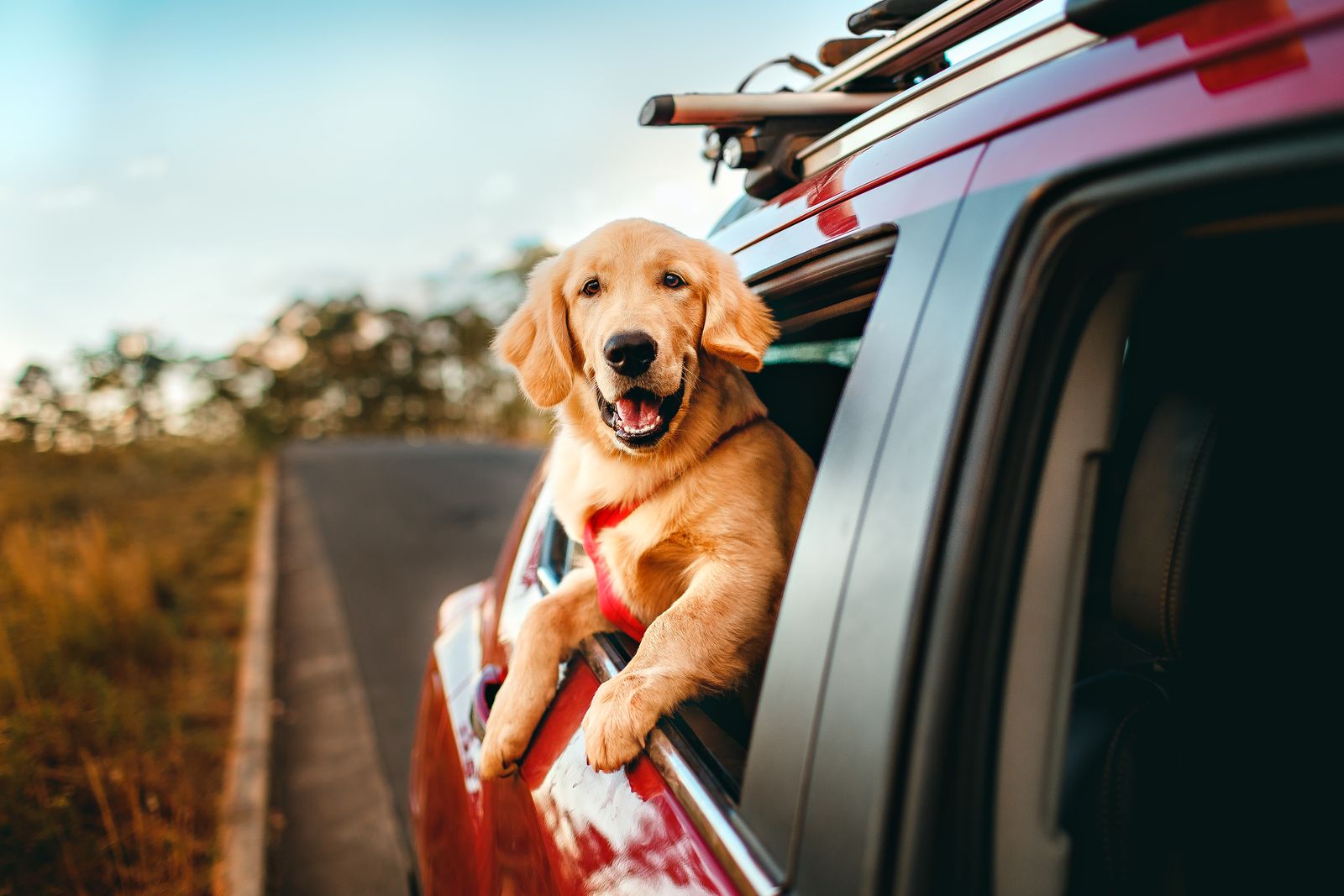
wo weeks before your France trip, you're at the vet because your dog is finally getting the rabies shot for the journey. The vet glances at the calendar and says the sentence you didn't want to hear: we won't make it in time now. The vacation is booked, the rental is paid for, and suddenly it's unclear whether your dog can even come along.
That's avoidable once you know what actually matters. Traveling with a dog within the EU is straightforward in itself, the problem is almost never the paperwork, it's the timing. A handful of deadlines decide whether your dog is ready to travel on schedule, and most guides only mention them in passing. Here they're the whole point. For ideas on what to actually do once you're there, see our full guide to activities with your dog (German article).
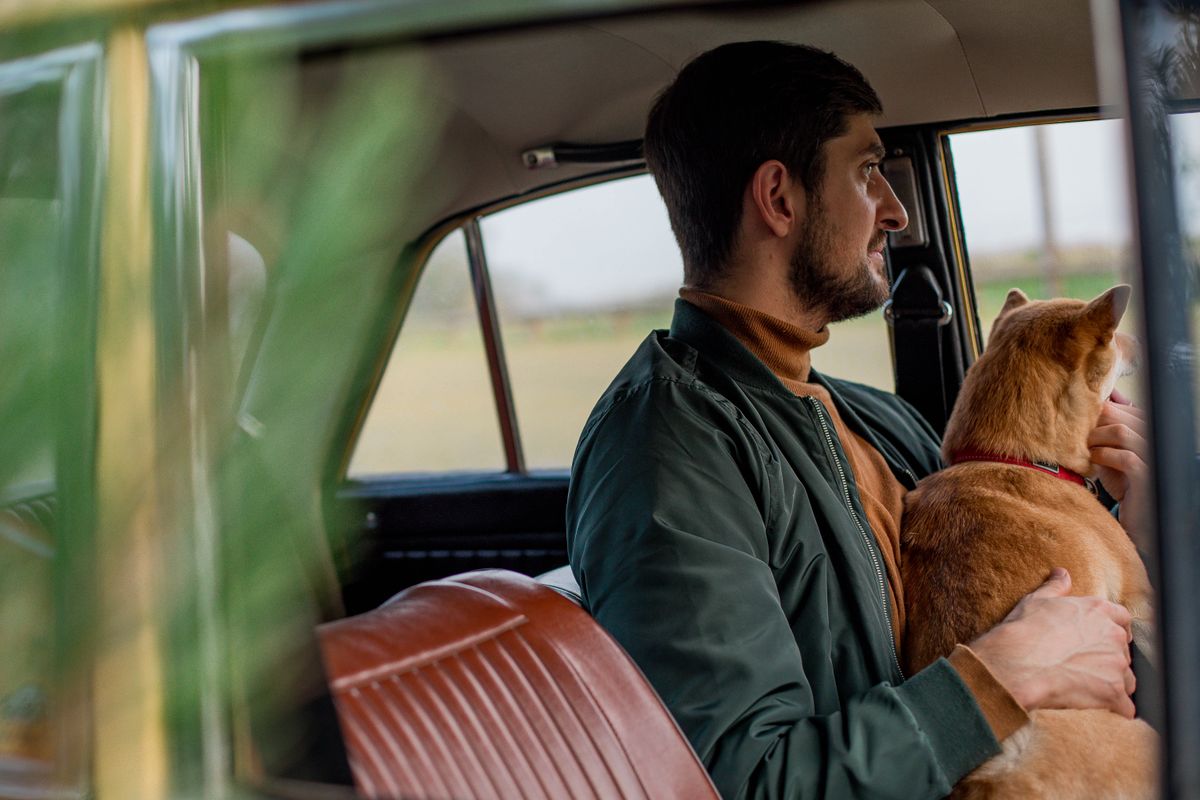
For a private trip with your dog inside the EU, you need three things at the core: an ISO-compliant microchip for identification, an EU pet passport, and a valid rabies vaccination. What matters isn't just having all three, it's the order they happened in, that's where most trips run into trouble.
There's also a smaller paperwork point that often gets missed: for purely private travel, meaning no sale or change of ownership, you also need a written declaration that the trip is non-commercial. In practice the same vet who issues the pet passport handles this too, no separate appointment needed.
This is the part that derails most travel plans, so here's the detail. The microchip has to be implanted before or on the same day as the rabies vaccination. A vaccination given before the chip doesn't count for travel purposes, even if it's written in the vaccination record. Then comes the second hurdle: after a first-time rabies vaccination, at least 21 days have to pass before your dog can cross into another EU country for the first time. That waiting period can't be shortened, not even for an urgent vacation date.
A booster shot works differently, as long as it happens before the previous vaccination expires. Then it takes effect immediately, no new waiting period. If the booster comes too late, after the old protection has already lapsed, it legally counts as a first-time vaccination again, with the full 21-day wait on top.
| Weeks before departure | What should be done |
|---|---|
| 6 to 8 weeks | Get the microchip implanted, if not already done |
| 6 to 8 weeks | Rabies vaccination at the vet (after the chip) |
| 5 weeks | 21-day waiting period completed |
| 2 to 4 weeks | Get the EU pet passport, check destination country rules |
| 1 to 5 days before | Tapeworm treatment, if the destination requires it |
These ranges are rough guides with built-in buffer, no dog actually needs eight weeks. But the buffer is exactly what absorbs the scheduling squeeze that otherwise turns into a problem two weeks before departure.
The EU pet passport documents your dog's chip number, your contact details, and the vaccination history. It's issued by a vet authorized to do so, not every practice is automatically allowed. A regular vet visit is usually enough, no extra application with an authority is typically needed. It's worth asking directly when booking the appointment whether your practice can issue the passport, that saves you a second trip.
Some countries require an additional treatment against the fox tapeworm on top of the standard EU requirements, because they're considered parasite-free and want to stay that way. As of now that includes Finland, Ireland, Malta, and Norway, and the requirement is usually waived for direct travel between these countries. The treatment has to happen within a tight window, between 24 and 120 hours before arrival, documented by a vet in the pet passport with the exact time. Miss that window and entry can be refused or quarantine can follow.
These rules change occasionally. Check the current requirements for your destination with an official source, such as the relevant national authority, shortly before departure rather than relying solely on an older article, including this one.
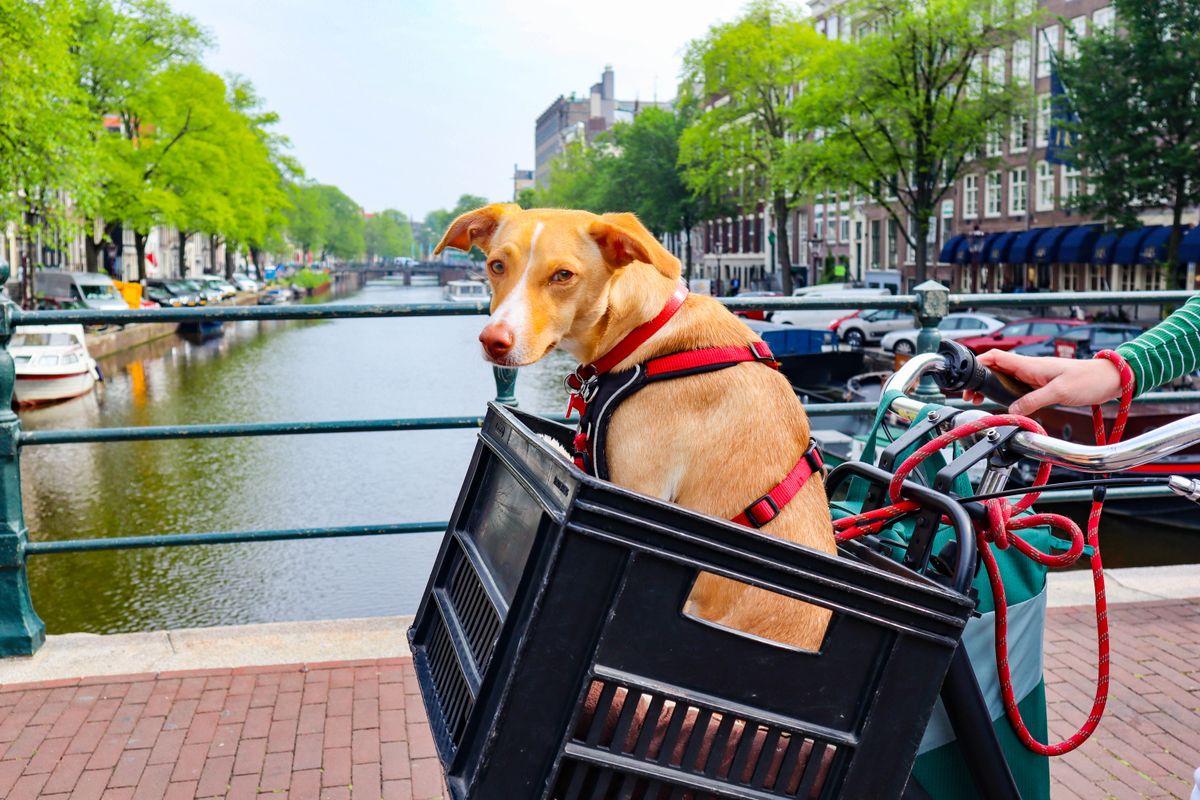
Once the paperwork is sorted, there's the actual drive. In Germany, your dog legally counts as cargo in the car, and has to be secured well enough that they don't become a projectile during hard braking and don't distract you. A sturdy carrier in the trunk is considered the safest option, or a harness with a car seatbelt attachment, ideally crash-tested or certified to a relevant standard. A divider grille alone isn't considered sufficient restraint.
Plan a break roughly every two hours so your dog can relieve themselves, drink, and move around briefly. And one thing that trips people up easily on trips: never leave your dog alone in a parked car when it's warm. Starting at around 68 to 72°F outside, a car's interior temperature can rise sharply within 10 to 15 minutes, and heatstroke can already be setting in by then. For more on the warning signs and what helps, see our guide to summer heat dangers (German article).
Some dogs, especially puppies, get carsick easily, and that often improves on its own over time if you practice short, relaxed drives instead of starting with a long haul. If motion sickness persists, your vet can prescribe something for it.
The chip, pet passport, and rabies vaccination apply no matter how you travel, whether by car, ferry, train, or plane. Each mode of transport adds its own rules on top, worth checking separately.
Ferry rules vary a lot between operators, some only allow dogs in the car on the vehicle deck, others offer dedicated dog cabins. On trains, small dogs usually need a carrier, larger ones travel on a leash and muzzle, often for a reduced fare. Flying has the strictest rules: airlines set their own crate size limits, decide whether your dog can fly in the cabin or only in cargo, and some exclude certain breeds entirely for health reasons, brachycephalic breeds like pugs or bulldogs among them. You'll find these details directly from the airline, ideally when booking, not right before the flight.
| Category | What to bring |
|---|---|
| Documents | EU pet passport, contact details for vets at home and at your destination |
| Health | familiar food for the whole trip, medication, check tick prevention for your destination |
| Safety | carrier or a tested harness, leash, ID tag |
| Everyday | bowl, water, a familiar blanket or toy, poop bags |
With a bit of lead time, all the paperwork fits into a couple of vet visits, and the actual trip can start as relaxed as it's supposed to be. So you don't have to keep every deadline in your head for the next trip, you can log your dog's vaccination appointments and travel documents right in the Souldog app and get reminded in time.
 Souldog