When steady rain rules out the long walk, the mental and physical outlet has to move indoors. Nose work, brain games, and short training sessions often challenge your dog more than a walk, all without a single wet paw.
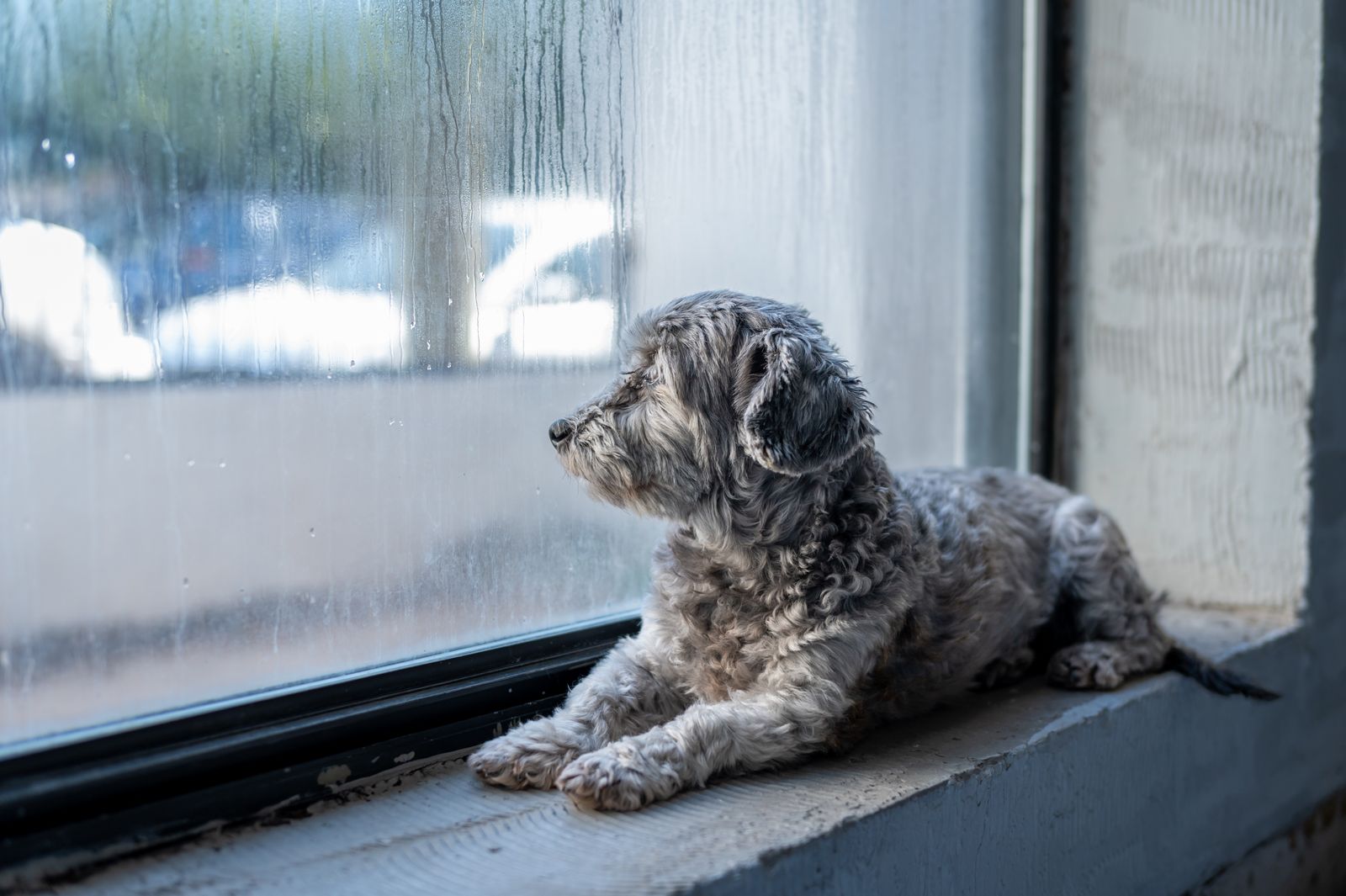
Gray morning, rain drumming on the window, and your dog gives you that look that says: now what? The long walk gets cut short today, but the energy is still there, and an under-stimulated dog will find its own entertainment if it has to, usually at the expense of shoes or the sofa's edge. The good news: a rainy day doesn't have to be a wasted day. Brain work, nose games, and a bit of training can tire your dog out indoors surprisingly well, often better than you'd think.
his guide collects indoor ideas that genuinely tire your dog out, sorted by effort and by your dog's age, and along the way it sorts out two things that many weather articles mix up: what actually matters on rainy walks and what changes once winter sets in. For even more indoor and outdoor ideas, check out the full overview of things to do with your dog.
Exercise is only half of what makes a dog well-balanced. The other half is mental stimulation, and that's easy to provide indoors even in storms and rain. Nose work and brain games challenge your dog in a way a walk around the block simply can't.
It's worth being honest here, because numbers get thrown around a lot online. The claim that "fifteen minutes of sniffing replaces an hour of walking" sounds appealing, but it isn't backed by research; it's experience-based wisdom from trainers. What research actually shows is that nose work lifts mood, with dogs measurably approaching new situations more optimistically afterward. So it's true that brain work challenges your dog in a pleasant way and leaves it more content. There's no fixed conversion into walk minutes, though, and you don't need one.
A word on the common talk of "boredom." A chewed-up sofa, lots of barking, or restlessness get labeled as boredom quickly. That's often true, but sometimes frustration, stress, or even pain is behind it. So it helps to think in terms of unmet needs rather than a single diagnosis. If such signs persist or get worse, a visit to the vet makes more sense than another toy.
If you take just one thing away from this article, let it be this: let your dog use its nose. Sniffing is deeply satisfying for dogs, takes almost no space, and works in any weather.
A few easy ways to get started:
The beauty of it: nose work suits almost any dog, from puppies to seniors, and you can make it as challenging as you like once your dog gets some practice.
Besides the nose, the mind wants a challenge too. Puzzle games and food-based riddles give your dog a task to work out, and that produces a pleasant kind of tiredness.
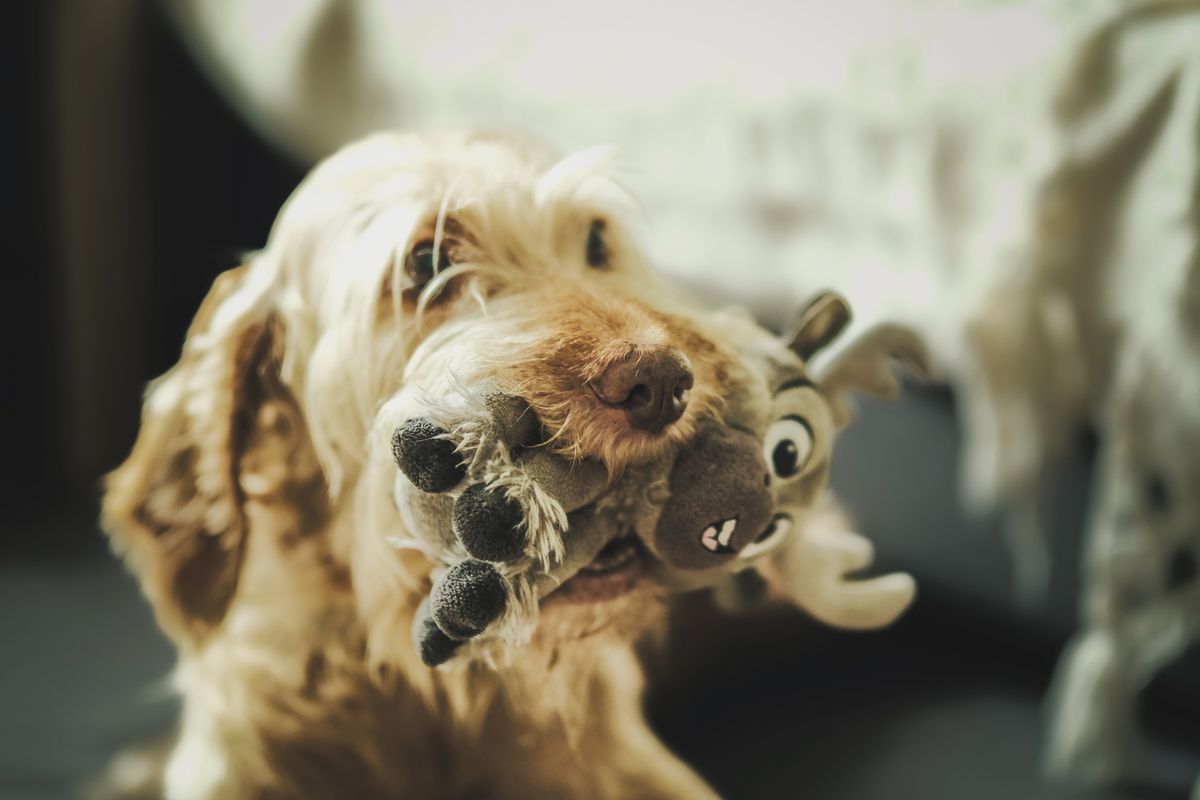
Tried-and-true classics include stuffed Kongs and lick mats that keep your dog busy for a good while, plus puzzle toys where he slides flaps or pulls cones to reach the food. With a Kong, make sure the size is right and stay nearby the first few times. And a note on puzzle toys: if your dog gives up in frustration or starts gnawing on the toy, the task is too hard. Make it easier rather than letting him struggle.
You don't have to buy anything for this. An empty toilet paper roll with kibble folded inside, a box with crumpled paper and hidden treats, a muffin tin with treats hidden under tennis balls: everyday household items turn into a search puzzle in no time. The only thing that matters is that your dog doesn't swallow anything dangerous, so stay with him the first time and remove any material that gets chewed to pieces.
Training is an activity that improves your communication along the way. A few minutes of tricks a day gives your dog mental exercise and is fun for both of you. New tricks like shaking paws, rolling over, weaving through your legs, or naming toys demand concentration and brains.
Particularly valuable, and something many guides shortchange, is training your dog to settle. Many dogs are great at revving up but struggle to wind back down. That's something you can practice. Reward your dog for lying calmly on a blanket, first for seconds, then for longer stretches, and gradually add small distractions. This teaches him that calm behavior pays off, and he'll find it easier to relax after romping around. On quiet, low-stimulation rainy days especially, having an off switch like this is worth its weight in gold.
Your dog can move indoors too, just thoughtfully. A small course made from a chair to crawl under, a broomstick to step over, and a box to circle around combines movement with brain work. It's more about agility than exercise, and exactly right for indoors.
Two safety notes belong here, and they're not fine print you can skip. For puppies with growth plates that haven't closed yet, jumping off furniture or racing wildly up and down stairs is off limits, because it can put strain on those sensitive growth zones. The same applies to seniors and dogs with arthritis or joint problems: no jumping, no hard landings, no abrupt stops. And for every dog, a smooth floor is a slipping hazard. Dogs lose their footing on laminate or tile, which can cause injury and makes some dogs anxious. Lay down non-slip runners along the paths your dog walks and keep the fur between the paw pads trimmed short for better grip. Save wild tug-of-war or chase games with sudden sprints for outdoors, and for healthy, fully grown dogs.
Brain work doesn't fully replace the walk, and for most healthy dogs, rain isn't a reason to stay home. Getting wet isn't a problem; getting cold is. Small dogs, short-haired or thin-coated dogs, and very young, old, or unwell animals benefit from a well-fitting dog coat that keeps them warm in cold, wet weather. A dog with a thick coat usually doesn't need one, though.
It's worth toweling your dog off after the walk, especially the paws and belly. Pay special attention to the ears too, since moisture in the ear canal encourages infections in floppy-eared breeds. Otherwise, the rule of thumb is this: a shorter walk in wind and rain, combined with a good dose of indoor brain work, leaves a dog thoroughly content on gloomy days.
Winter is its own topic. Once roads are gritted, a hazard appears that has nothing in common with rain: road salt and de-icing agents irritate the paw pads and can actually burn them, and if your dog licks them off, vomiting and diarrhea can follow. Wipe your dog's paws with lukewarm water after winter walks, and for sensitive paws, paw wax or dog boots help. This is purely a winter concern; you don't need to worry about it during autumn rain.
Sometimes staying home is the right call. There are two situations worth telling apart here.
One dog simply doesn't like rain and drags his feet, grumbling at the door. That's a matter of comfort, not an emergency, and can usually be worked around with good spirits and a reward. Another dog falls into real panic during a thunderstorm: trembling, panting, hiding, or trying to flee. That isn't moodiness; it's a serious noise and storm phobia. If a storm is actively happening and your dog is fearful, it's better to skip the walk or keep it very short and on a secure leash. For guidance on helping your dog through situations like this, see the guide on thunderstorm anxiety in dogs.
Bitter cold is another reason to shorten the walk. There are no fixed thresholds, since coat, size, age, and health make a big difference. As a rough guide: below about zero degrees Celsius, small, old, and short-haired dogs need extra caution and often a coat, and the further the temperature drops below that, the shorter the walks should get, until it's simply too cold for many dogs. Watch your dog. One that keeps lifting its paws or shivering is telling you clearly that it's had enough.
With all this focus on activities, one point tends to get lost: dogs need a great deal of rest. Adult dogs typically sleep and doze twelve to fourteen hours a day, puppies considerably more at eighteen to twenty hours, and seniors tend to rest more again too. A dog that's constantly entertained never settles down and ends up more on edge than balanced.
The goal on a rainy day, then, isn't nonstop activity but a good balance: a few challenging sessions of nose and brain work, real breaks in between, and at the end of it a dog lying content and tired in his bed. Quality beats quantity, especially indoors.
Bad weather costs you the long walk, but not a good day. A dog that gets to sniff, puzzle, and learn a few tricks indoors, with real rest in between, is just as content in the evening as after a big outing, only drier. And you spare yourself the guilty conscience when it's pouring outside yet again.
If you're looking for more ideas on keeping your dog occupied on warm days, you'll find them in the guide on how to keep your dog busy in the heat. And more inspiration for everyday life together awaits at Souldog.
 Souldog