Your dog seems different after boarding. Get a useful handover, recognise when veterinary care comes first, and ask clear questions about injuries or missing updates.
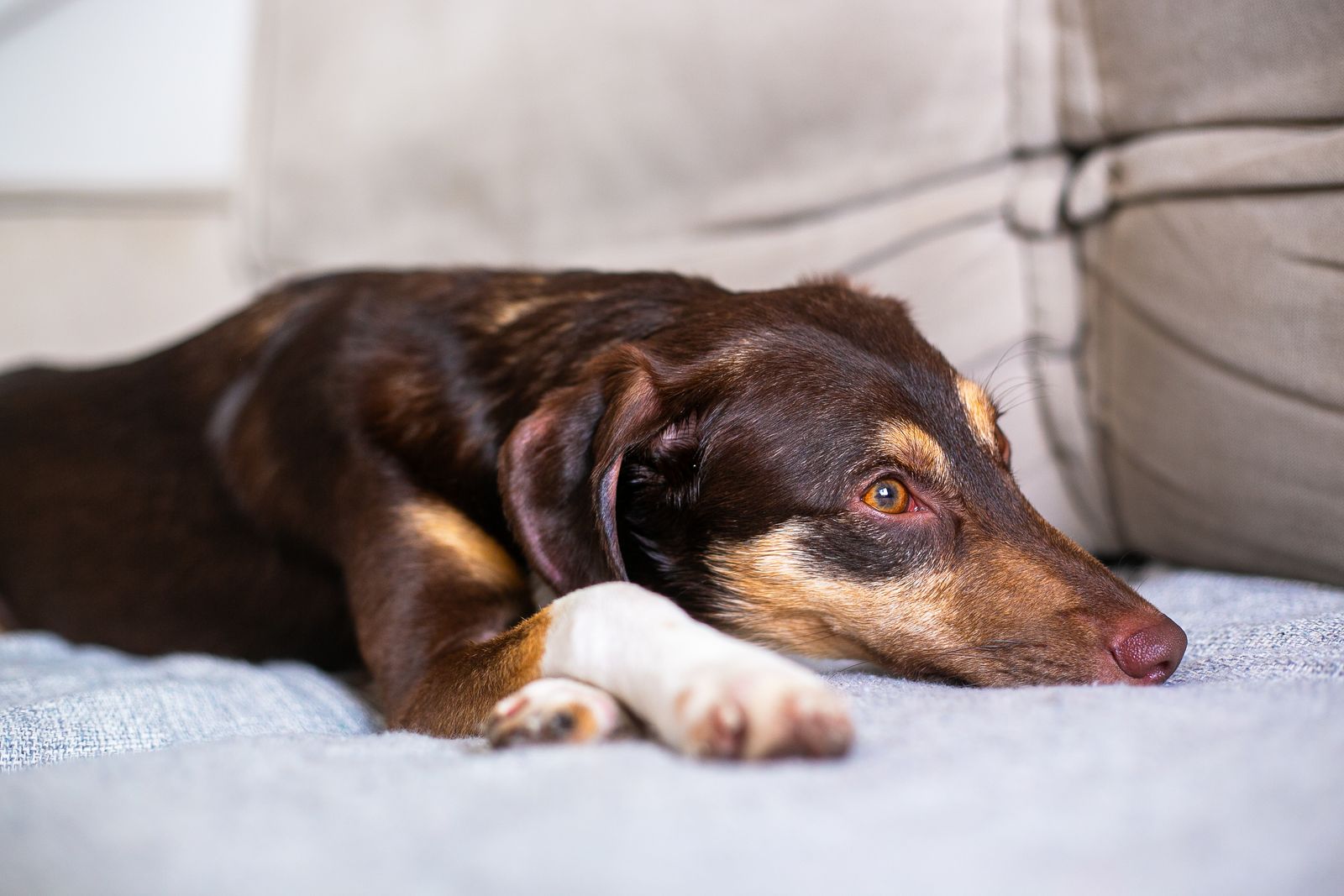
he leash is back in your hand, and the bag with your dog's blanket is in the car. At home, your dog lies down. You find yourself looking more closely than usual: are they simply tired? Why are they limping? Where did that mark on their nose come from?
If your dog seems different after boarding, get a clear account of their stay and pay attention to their condition now. Ask about food, rest, medication and anything unusual. Seek veterinary advice about symptoms; the boarding stay alone doesn't explain them.
If your dog has trouble breathing, collapses, is difficult to wake or cannot stand: contact a vet or emergency service immediately. Don't wait for the boarding provider to reply. The PDSA's breathing emergency guidance and VCA's advice on severe weakness identify these warning signs.
Details can disappear in the excitement of a reunion. Before leaving, take a moment to talk to someone who actually cared for your dog. “Everything okay?” invites a very short answer. “How was the last night?” starts a conversation.
These questions help even when nothing initially seems wrong:
| Topic | A specific question |
|---|---|
| Food and water | When and how much did my dog last eat? Was there different food or unusual drinking? |
| Toileting | When did they last go? Did you notice anything unusual about their stool or urine? |
| Rest and accommodation | Where did they sleep? Could they retreat somewhere quiet? Did their accommodation change during the stay? |
| Activity and contact | What activities and dog interactions did they have recently? Were there any collisions, fights or falls? |
| Medication and care | What was last given, and when? Were any doses missed, symptoms noticed or veterinary visits needed? |
For medication or ongoing treatment, ask for the recorded details. If you're unsure whether a dose has already been given, check the next dose with the treating vet. A guess at reception isn't enough.
Look your dog over calmly, as far as they are comfortable allowing. Don't force an examination of painful areas. If you notice a limp, wound or unusual behaviour, mention it and note the response. If the relevant person isn't there, arrange a specific callback.
Provide fresh water and access to your dog's familiar resting place. Keep the first evening simple, without visitors or a catch-up exercise session. Predictable routines and undisturbed rest feature in Dogs Trust's guidance.
The suitcase can stay in the hallway a little longer. First, use the handover to check whether your dog's next meal has already been served, and return to your usual routine. Coming home doesn't need to include a big outing.
Extra sleep alone doesn't tell you the cause. If your dog seems unusually low in energy or unlike themselves, ask your vet for advice. The PDSA recommends veterinary assessment for lethargy and advises against forcing exercise. There is no blanket rule that you should wait 48 hours first.
A brief timeline helps when you speak to the vet or boarding provider. Record what you actually observe. For example:
Pickup at 4:30 pm. Staff reported feeding at 3 pm. Drank water at home, then slept in bed. Later avoided putting weight on the right front leg when getting up. Called vet; asked boarding staff about the final walk.
This is a template, not a case report. Separate what you saw from what staff told you, and leave unanswered questions open. A brief video of something already happening may help explain it. Don't provoke the behaviour for the camera or delay necessary care to make a recording.
For more help describing broader changes, see why your dog may suddenly behave differently. The aim here is to connect the period before pickup with what you're seeing afterwards.
Tell your vet about a new cough and mention the recent stay with other dogs. Phone ahead before visiting so the team can arrange precautions. VCA gives this advice for respiratory symptoms. The timing alone cannot establish the illness or where an infection was caught.
Repeated vomiting or diarrhoea, blood in the stool or additional lethargy need prompt veterinary advice. If your dog seems severely ill, get help immediately. VCA sets out these warning signs for digestive symptoms. Don't automatically put new symptoms down to boarding stress.
Deep or heavily bleeding wounds, bite wounds and eye injuries need urgent veterinary attention. Even a small bite opening can be misleading. The PDSA explains these wound risks. For a newly discovered injury of unknown cause, ask your vet how soon your dog should be seen.
If you can do so without distress or delay, photograph the area in good light. Record when you noticed it and whether it was mentioned at pickup. Keep the related messages and veterinary findings together. A photograph records appearance; it doesn't explain what happened.
This article was prompted by a Reddit account of a nose injury discovered after pickup. The owner also reported late updates. In a later reply, they described their dog as otherwise normal, only tired. The cause of the injury remained unclear. Rubbing against kennel bars was suggested in the discussion, but wasn't established.
You can ask for a proper explanation without claiming to know the cause. A message might read:
Hello, after today's pickup I noticed an injury on the bridge of my dog's nose at home. I've attached photos and am arranging veterinary advice. Could you tell me when the area was last seen without a mark, who last cared for my dog, and whether anyone noticed rubbing, a collision or another incident? Please also explain where my dog stayed during the day and whether the accommodation changed. When can I expect a response from the person responsible for their care?
Adapt this to what you actually observed. If your question concerns an unclear medication dose rather than an injury, name that issue. Long messages containing several theories make it harder to establish a useful sequence of events.
If an answer is vague, follow up on one open point: “Who can confirm the last medication dose?” or “Was the mark seen yesterday?” Add the date and reply to your note. Make medical decisions with your vet, regardless of how quickly the provider responds.
The conversation should establish what will change. Instead of simply requesting more photos, agree on the information you need:
A photo can be lovely. A clear account of how your dog was doing is more useful for deciding what happens next. If important questions remain unanswered, you can reconsider the next stay. Our guide to dog care while you travel covers the options.
 Souldog