New food, two days of excitement, then the reproachful look next to the full bowl. Sound familiar? Here you'll learn when food refusal means a vet visit, why pickiness is usually learned, and how to fix it in a week.
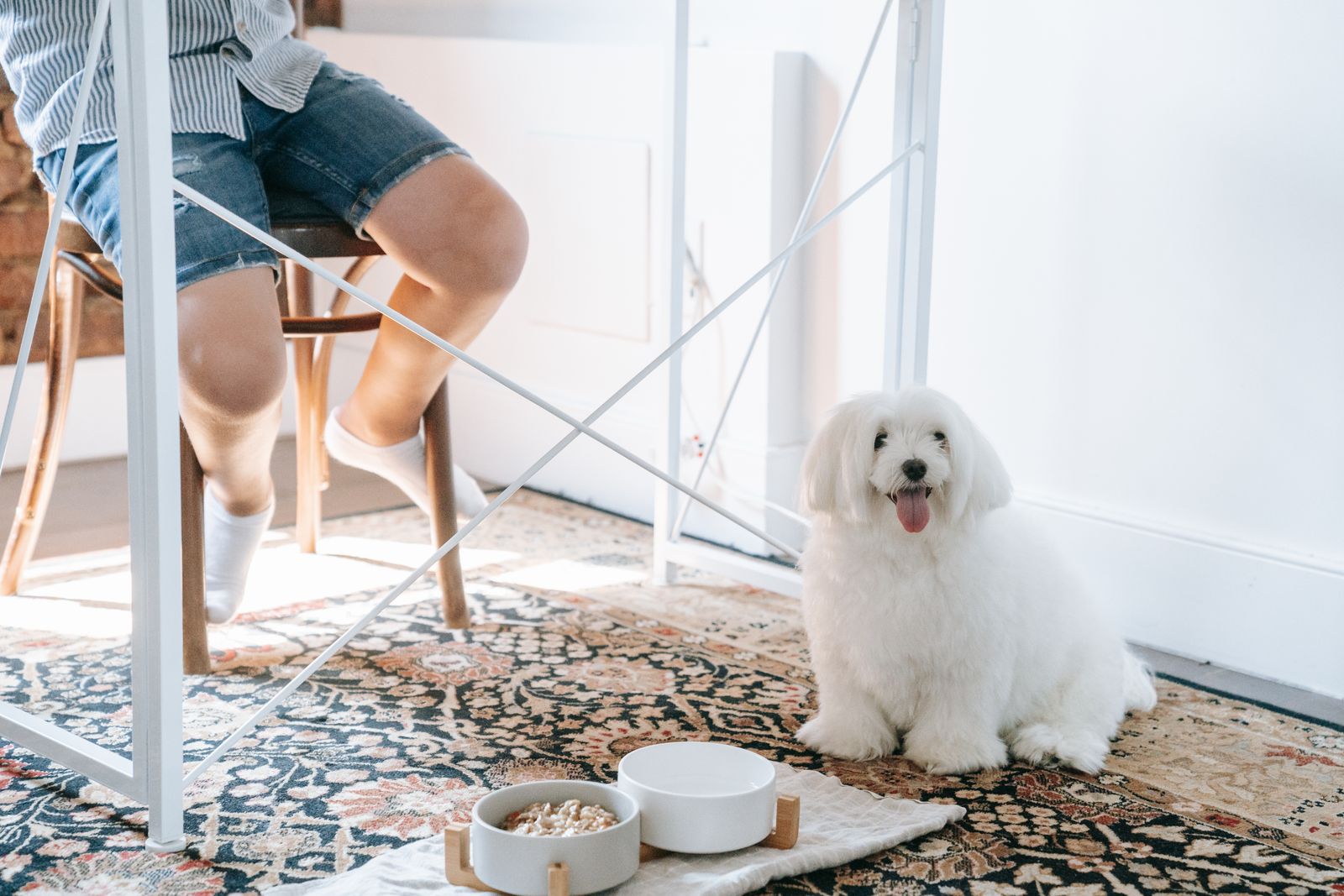
Day one with the new food: the bowl is empty before you've even closed the bag. Day two: still enthusiastic. Day three: your dog sniffs the bowl, looks at you for a long moment, and lies down pointedly beside it. You know that look. It means, "So what's really for dinner?" So you're back in the kitchen, cutting up chicken, and your dog eats. For two days. Then the whole game starts over.
f this sounds familiar, you're in very good company, and there's a way out. But first we need to talk about the one case where a full bowl isn't a training issue at all, but a warning sign.
If a dog who has always eaten well suddenly stops, that belongs at the vet's office first. Loss of appetite is a common sign of illness, from dental pain to internal disease. Only once your dog is healthy can you start talking about pickiness.
Genuine, ongoing pickiness, on the other hand, is usually something we've taught our dogs ourselves. If you offer something better every time your dog refuses, you're teaching him that waiting pays off. The way out is a calm food reset over about a week: fixed mealtimes, the bowl removed without comment after 15 to 20 minutes, and no extras in between. This reset is only for healthy, adult, normal-weight dogs. For puppies, very small breeds, and sick dogs it's off the table, because skipped meals can quickly become dangerous for them.
This section comes first on purpose. Before anyone thinks about training, health needs to be ruled out, because loss of appetite is one of the most common signs of illness there is. The list of possible causes is long: gastrointestinal problems, pain, infections, organ disease. Veterinarians distinguish between hyporexia or inappetence, your dog eating less or without enthusiasm, and complete food refusal, called anorexia. The more complete the refusal, the less time you should let pass.
One classic culprit gets overlooked a lot: teeth. A dog with dental pain gets picky in a very specific way. He'll eat soft food, refuse anything hard, chew noticeably on one side, or drop pieces after picking them up. It looks like being choosy, but it's actually pain. If something has changed about the way your dog eats, it's worth checking his mouth, and when in doubt, booking a vet visit. For more on what else could be behind a sudden change in behavior, read our post dog suddenly acting different.
These warning signs mean vet, not training plan: an adult dog who refuses food entirely for more than 24 to 48 hours; any loss of appetite together with symptoms like vomiting, diarrhea, fever, noticeable lethargy, or weight loss; and for puppies and very small breeds, get it checked the same day, more on that in a moment.
This point matters to us, especially because many of our readers have small dogs. The reset below relies on the fact that a skipped meal is harmless for a healthy, adult, normal-weight dog. That's exactly what doesn't hold true for some dogs:
| Dog | Reset OK? |
|---|---|
| Growing puppy | No, hypoglycemia risk, skipped meals can become dangerous |
| Toy Poodle, Chihuahua & other minis | No, not without vet guidance, small bodies have barely any reserves |
| Sick, underweight, or senior dog | No, work out the cause and a nutrition plan with your vet first |
| Dog with diabetes or ongoing medication | No, meals and medication are linked |
| Healthy, adult, comfortably-fed chronic picky eater | Yes, this is exactly who the reset is for |
In very small breeds and puppies, a longer break from food can send blood sugar dangerously low. Trembling, weakness, stumbling, or even collapse after skipped meals is an emergency. If your mini dog is picky, talk it through with your vet first, rather than just taking the bowl away.
Here's the uncomfortable but freeing truth: the veterinary literature agrees that chronic pickiness in healthy dogs is, in the vast majority of cases, a human-made problem. The mechanism is simple learning theory. Your dog refuses the food, you get worried, you offer something better. From your dog's point of view, refusing just paid off. Next time he'll wait again, a little longer this time, with an even more soulful look. Dogs are excellent negotiators, and we are surprisingly bad poker players.
The second piece is less dramatic: a lot of "picky" dogs are simply full. A dental chew here, a training treat there, the corner of sausage from breakfast, and a small dog's daily needs are covered before the bowl even hits the floor. The veterinary rule of thumb: everything outside of meals should stay under 10 percent of daily calories. Picky dogs are noticeably often not thin at all, but rather a bit too well fed. An honest look at your dog's body shape, with your vet and a Body Condition Score if you're unsure, is the fastest reality check: a dog with a little extra padding doesn't have a food problem, he has a food surplus.
And sometimes it's simply normal. Healthy dogs don't eat the same amount every day, often less on hot days, and not every dog is a vacuum cleaner. An occasional skipped meal in an otherwise lively, normal-weight dog is no cause for drama. Adolescence, roughly between six and eighteen months, and hormonal phases such as a heat cycle can also dampen appetite for a few days; that calls for patience, not a reset.
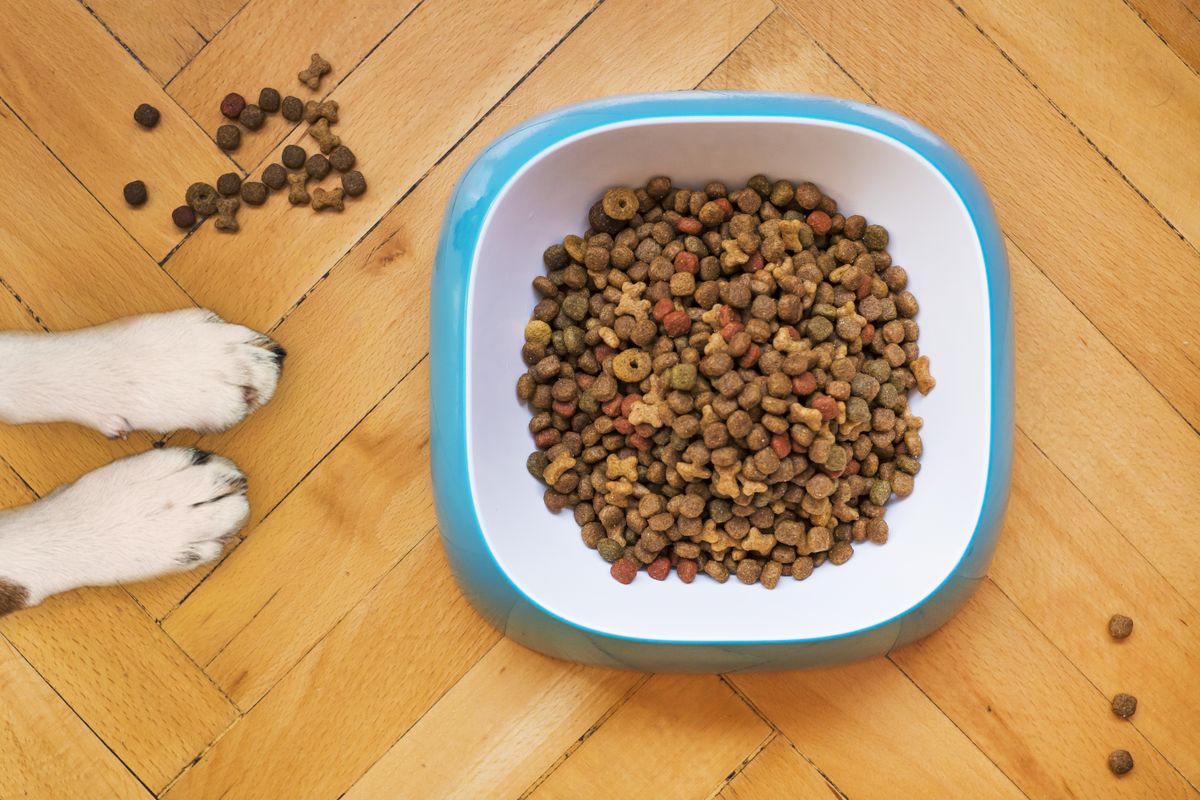
One more time before we start: has your dog been checked by the vet, is he an adult, and is he normal-weight to comfortably padded? Then you're ready to go. The reset isn't a power struggle, it's the end of negotiations, friendly and completely calm.
The hardest part is the look. Your dog will gaze at you like you've broken his heart. Stay friendly, stay calm, and remember that a healthy adult dog isn't starving in front of a full bowl. He's negotiating. And negotiations end when one side stops bidding.
Made it through the week, and the bowl is being emptied again? Congratulations. To keep it that way, hold onto the basic structure: fixed times, a fixed portion, bowl removed after the meal. Treats are allowed again, but counted; the 10 percent rule is a good guardrail, especially for small dogs, where three treats can quickly add up to half a meal.
There are a few things you can still do to make meals more pleasant for your dog, without bringing the pickiness back. A splash of warm water over dry food boosts the smell and makes it more appealing; a spoonful of wet food as a regular part of the meal is fine too, as long as it isn't an emergency upgrade after he's refused to eat. Feed after the walk rather than before, give your dog a quiet feeding spot away from foot traffic, and in multi-dog households, feed everyone separately. The difference from the old pattern isn't what's in the bowl, it's when it gets there: part of the meal from the start, not a reward for waiting.
If a real food change is coming up, say for health reasons, mix the new food into the old one gradually over 7 to 10 days. An abrupt switch upsets many dogs' stomachs, and a dog with an upset stomach is the next picky-eater-in-waiting. For which foods are actually safe as a topping, see our full overview what dogs are allowed to eat.
In the end, the message of this piece is a kind one: your dog isn't a hopeless gourmet, and you're not a bad cook. You've just been playing a game whose rules neither of you ever wrote down. Once health is ruled out, you're allowed to end the game, calmly and without any guilt.
If you want help keeping track of it all, Souldog can lend a hand: in the app you calculate the right food amount for your dog's size and weight, and log how his appetite develops over time. In a few weeks, you'll wonder what you were ever worried about, while in the background, a bowl gets licked clean.
 Souldog