Barbecue evenings are a summer highlight, and your dog is right in the middle of it. But between sausages, skewers and corn on the cob, real dangers lurk. Here you can read what is dangerous, what your dog can safely have, and when to see a vet immediately.
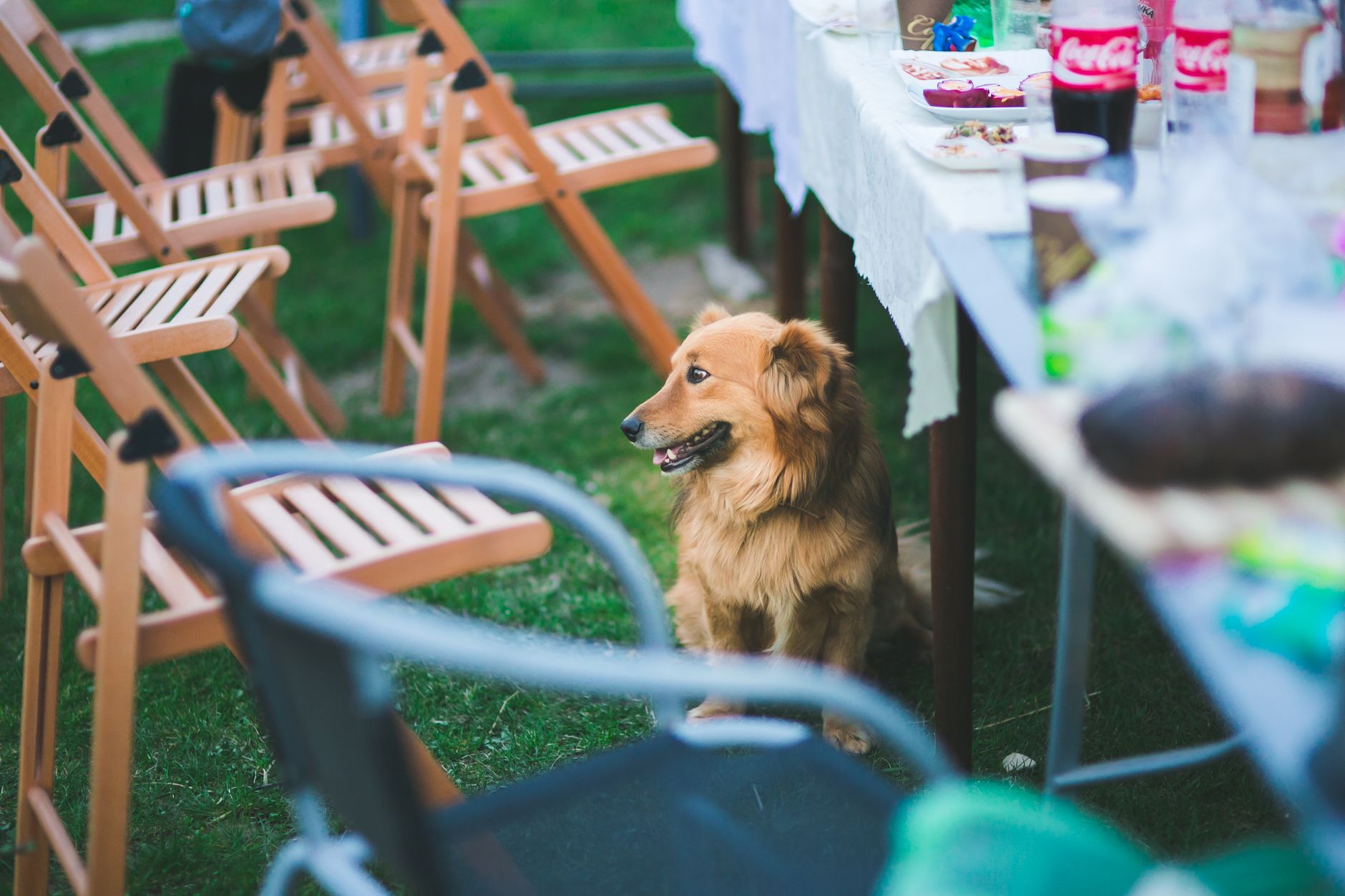
It is barbecue night, the coals are glowing, and your dog has strategically positioned itself under the table. Four hopeful eyes wander from plate to plate, and some guest is guaranteed to give in. As lovely as this scene is, it is just as tricky, because between the sausages, skewers and side dishes lies real danger for dogs. Some of it is only unpleasant, some of it is a genuine emergency.
et us go through what is really dangerous at the grill, what your dog can have with a clear conscience, and how to tell when it is time to see a vet. That way the barbecue evening stays relaxed for everyone.
If you are short on time, here is what matters most. The biggest dangers at the grill are corn cobs, skewers and bones, because they can cause a life-threatening intestinal blockage or injuries. On top of that come fatty and heavily seasoned meat, onions and garlic in sauces and marinades, xylitol in some sugar-free sauces, and alcohol.
Small amounts of unseasoned, lean, well-cooked meat without bones and plain vegetables are harmless. Even so, all of it together should stay a small bonus. Important to know: some forms of poisoning only show up days later. If you suspect your dog swallowed a corn cob or a skewer, if there is severe vomiting, or if you suspect poisoning, see a vet immediately.
This overview shows you the main dangers at a glance:
| Danger | Why it is dangerous |
|---|---|
| Corn on the cob | Is not digested, gets stuck in the gut, causes a life-threatening blockage, often only solvable by surgery |
| Skewers | Get swallowed because of the smell of meat, can pierce the esophagus, stomach or intestine |
| Cooked or grilled bones | Splinter easily, injure the mouth and digestive tract, can get stuck |
| Fatty grilled food, sausage, bacon | Can trigger a painful pancreatitis after just one meal |
| Onion and garlic | Toxic in any form, damage red blood cells, symptoms often only appear days later |
| Xylitol in sugar-free sauces | Triggers dangerous low blood sugar, can damage the liver |
| Alcohol | No safe amount, hops in beer are an additional risk |
| Grapes and raisins in salads | Can trigger kidney failure even in small amounts |
Two things make this especially treacherous. First, preparation and quantity make marinades and sauces so risky, because onion and garlic are toxic even dried, cooked or as a powder. A piece of meat that looks harmless can carry enough of it in the marinade. Second, some of these poisonings show up with a delay. With onion and garlic, several days can pass before your dog becomes weak and shows pale gums. The barbecue evening itself seems to go by without any problem.
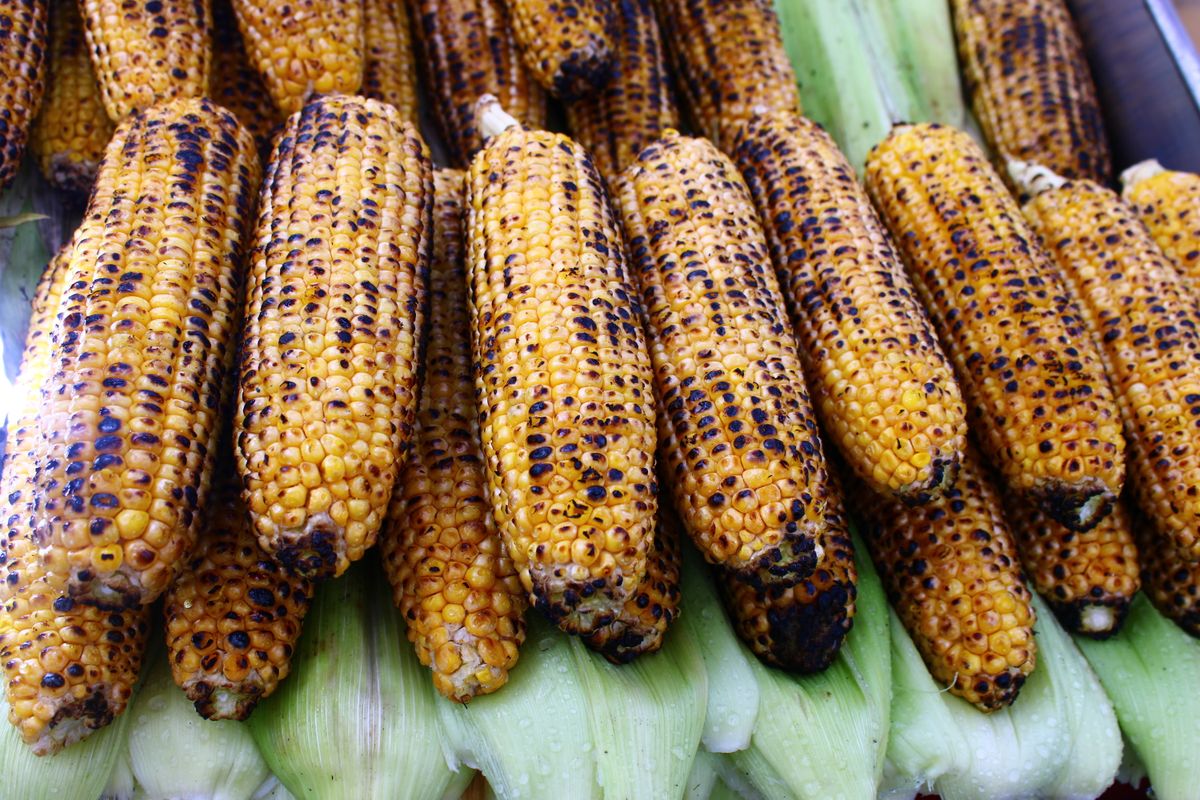
Of all the barbecue dangers, corn on the cob deserves its own warning, because it is so often underestimated. The kernels are not a problem for dogs, but the cob itself is. Many dogs swallow it whole or in large pieces, and that is where the trouble starts: the cob does not get digested, travels into the small intestine and gets stuck where the gut is narrowest. The result is an intestinal blockage, one of the most common reasons for emergency surgery after a barbecue.
A swallowed corn cob does not come back out on its own. Do not wait and see if it finds its way out by itself. If your dog shows repeated vomiting, no bowel movement, a bloated or painful belly, or becomes listless after the barbecue, drive to the vet clinic immediately. The sooner the foreign object is removed, the better.
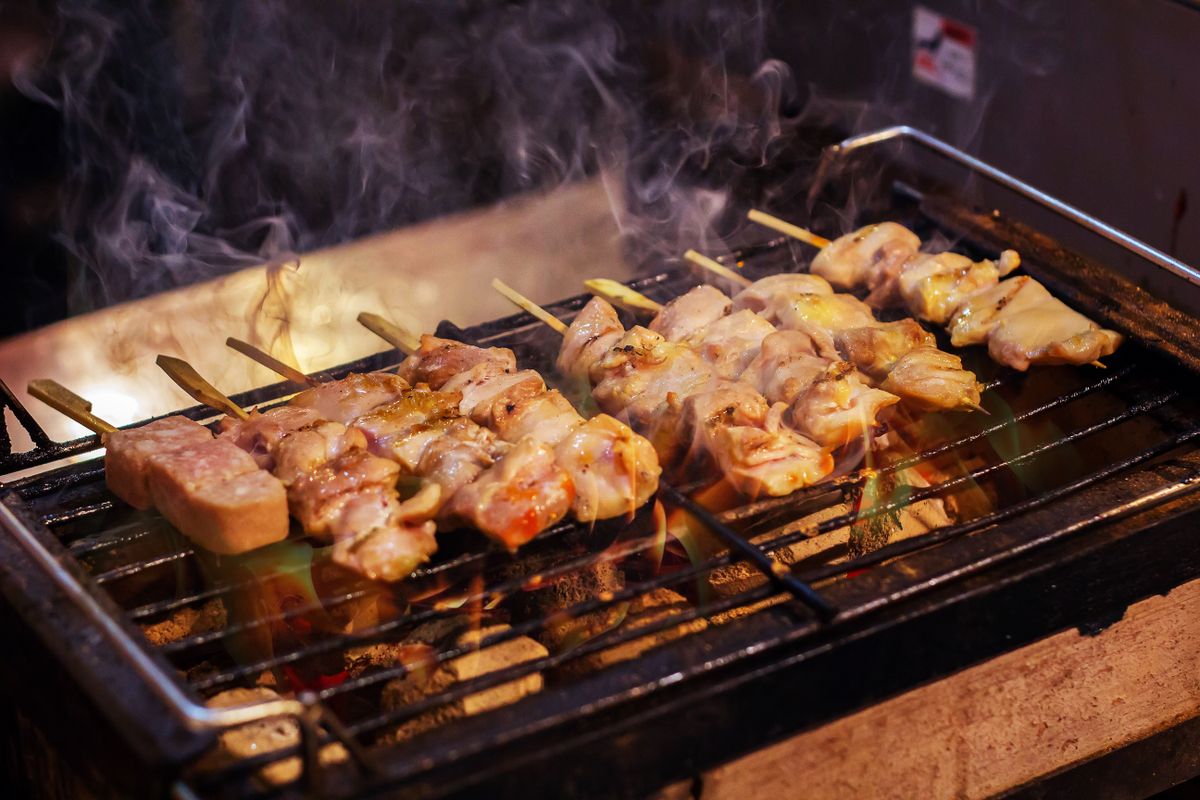
The same principle applies to skewers. They smell tempting of meat and are therefore often swallowed along with the sharp ends, where they can pierce the esophagus, stomach or intestine. Keep in mind the small toothpicks and cocktail sticks from appetizers too, because they are just as dangerous and are barely visible on an X-ray. That is why skewers and toothpicks belong straight into a secure, closed bin right after eating, not on a plate or the edge of the grill.
So it is not all about restrictions: your dog does not have to go completely empty-handed at the barbecue. A few things are harmless in small amounts, as long as you keep a few rules in mind.
Allowed are small pieces of lean, well-cooked meat or fish without bones, as long as they are unseasoned, unsalted and without marinade. So the chicken breast before the sauce goes on, not the marinated bratwurst. Plain vegetables such as zucchini or sweet potato, cooked without oil or seasoning, are also a nice addition. Fatty grilled food such as sausage, bacon or fatty trimmings, on the other hand, does not belong here, because that is exactly the classic trigger for pancreatitis.
For the amount, a simple rule of thumb helps: all extras combined, meaning treats and barbecue additions, should make up at most around ten percent of daily calories. That way the whole thing stays a bonus and does not throw off the diet.
Watch for these signs in the hours and days after the barbecue:
One important point on first aid: if your dog has swallowed a skewer or another sharp object, never induce vomiting yourself. The object could injure the esophagus on the way back up. That decision is for the vet alone to make. If you suspect poisoning, call the practice or the emergency vet service immediately and keep the leftovers or packaging so it is clear what is involved.
It is not only the food that is a danger, the grill itself is too. The grate, the embers and even seemingly extinguished ash stay hot enough for a long time to burn the mouth, paws or nose, and a curious sniff is enough. Dropped pieces that are still too hot are also a risk if your dog swallows them hastily.
If a burn does happen, cool the area for a few minutes with cool, but not ice-cold, running water. Do not pop blisters and do not apply any creams on your own. If blisters form, if there are open areas, or if your dog will not put weight on the paw anymore, see a vet.
Almost all of these dangers can be avoided with a few simple habits. It is mainly about keeping temptations out of the way and getting everyone at the table on board.
A barbecue evening with a dog does not have to be a source of stress. You now have the essentials in hand: you know that corn cobs, skewers and bones are the biggest dangers, that fatty and seasoned grilled food along with onion, garlic and xylitol do not belong in the bowl, what your dog can have instead, and how to recognize an emergency. Secure everything, brief your guests, keep your dog's own treats ready, and there is more time left for what is good about a summer evening.
You can read in detail about which foods are generally allowed and which are toxic in our guide on what dogs are allowed to eat. Why a bloated belly should always be taken seriously, you can find out in our article on bloat in dogs. And if you like, Souldog can help with a ready-to-hand poison list and a vet finder for emergencies. So the barbecue summer stays relaxed for both of you.
 Souldog